HOA vs. No HOA in Florida: Pros, Cons & What Homebuyers Should Know
From Neighborhood Rules and HOA Fees to Community Perks and Homeowner Freedom, Which Is Right for You?
Picture this: You finally find your dream home in Tampa Bay.
Beautiful kitchen? Check. ✅
Spacious backyard? Check. ✅
Perfect location? Absolutely! 😍
You're already planning backyard barbecues, picking out patio furniture, and imagining that gorgeous new front door color.
Then someone casually mentions…
"Oh, you'll need HOA approval for that."
Excuse me?! Approval? For MY front door?! 😭😂
Welcome to the great HOA vs. no HOA debate in Florida, where community pools, perfectly maintained lawns, monthly fees, neighborhood rules, and homeowner freedom all come into play.
Some homeowners love the convenience of an HOA community, complete with shared amenities and established neighborhood standards. Others prefer homes without HOA fees, where they generally have more flexibility to make their property their own.
But here's the million-dollar question:
Is living in an HOA community actually worth the money, or is buying a home without an HOA the better move? 👀💸
Whether you're house hunting in Tampa, Wesley Chapel, Brandon, Riverview, or New Tampa, understanding the pros and cons of HOA living could save you from unexpected expenses and restrictions.
And trust us, the last thing you want is to fall in love with a house only to discover that the neighborhood rules don't fit your lifestyle.
We're breaking down the benefits, drawbacks, hidden costs, Florida HOA rules, and homeowner freedoms you should understand before signing on the dotted line.
Because buying a home is a big decision, and knowing exactly what comes with it matters.
So, are you Team HOA or Team No HOA? 🏡🔥
Keep reading, because both sides have some surprises!
HOA 101: WHAT ARE YOU ACTUALLY SIGNING UP FOR? 🏡📝
Before we start picking sides, let's clear something up.
What exactly is an HOA, and why does it have a say in what happens around your home?
An HOA (Homeowners Association) is an organization responsible for managing certain aspects of a residential community, including shared spaces, neighborhood standards, and community rules.
Think of it as the neighborhood's management team. Except instead of managing an office, they're helping oversee the community you call home. 😂
🏘️ How Does an HOA Work in Florida?
When you purchase a home in a community with a mandatory HOA, you generally become a member of the association.
That means agreeing to certain responsibilities, which may include:
- 💰 Paying HOA fees: Regular dues help cover community expenses and services.
- 🌴 Following neighborhood rules: Some communities have guidelines for landscaping, parking, fencing, and exterior improvements.
- 🏊 Sharing community amenities: Depending on the neighborhood, dues may help maintain pools, clubhouses, playgrounds, or recreational spaces.
- 📝 Requesting approval for certain changes: Some exterior renovations require permission before work begins.
- 🏡 Contributing to shared maintenance: Associations may oversee common-area landscaping, private roads, and other community property.
But here's something many buyers don't realize:
Not all HOA communities have the same rules, fees, or amenities.
One neighborhood might have a small annual fee covering common-area landscaping. Another could charge significantly more for resort-style amenities and extensive maintenance services.
That's why comparing HOA fees in Tampa Bay means looking beyond the dollar amount and understanding what's actually included.
👀 Who Makes the HOA Rules?
Most mandatory Florida HOAs operate under recorded governing documents and are overseen by a board of directors.
These documents typically outline the association's responsibilities, homeowner obligations, and procedures for enforcing community standards.
Florida HOAs are also subject to state laws, including Chapter 720 of the Florida Statutes.
And no, an HOA doesn't have unlimited authority to make up whatever rules it wants. 😂
Association rules must comply with applicable laws and governing documents, and Florida law provides homeowners with certain protections.
🌴 What Does No HOA Mean in Florida?
Now, let's talk about the other option.
Buying a home without an HOA in Florida means the property isn't governed by a mandatory homeowners association.
Generally, that means:
- No mandatory HOA dues.
- No HOA board approving exterior changes.
- No HOA-specific fines or community rules.
- More flexibility over certain property decisions.
Sounds like complete freedom, right?
Well… not exactly! 👀
Even without an HOA, homeowners must still follow applicable city and county ordinances, zoning regulations, building codes, and recorded deed restrictions.
For example, living without an HOA doesn't automatically mean you can build anything you want in your backyard or ignore local parking regulations.
And here's another Florida-specific detail: A property can have CDD assessments even without an HOA.
We'll explain how those costs work when we get into the money section.
🏡 The Bottom Line: Two Different Ways to Experience Homeownership
An HOA community may appeal to buyers who value shared amenities, organized community maintenance, and established neighborhood standards.
A no-HOA property may appeal to buyers who prioritize flexibility, fewer association-related obligations, and greater control over certain property decisions.
Neither option automatically guarantees a better neighborhood, lower total expenses, or stronger property values.
The real question isn't whether an HOA is good or bad. It's whether the community's rules, services, and costs make sense for you.
And now that we know how both options work, it's time to look at what homeowners actually gain from joining an HOA.
Because those community perks? Some of them might surprise you! 👀🌴
THE PROS OF LIVING IN AN HOA COMMUNITY 😍🏡
Okay, before we start complaining about HOA fees and neighborhood rules, let's give credit where it's due.
Because some HOA communities come with perks that make everyday living feel like a mini vacation. 🌴🍹
Imagine having access to a beautiful swimming pool, fitness center, walking trails, and clubhouse without having to install or maintain all those amenities yourself.
Sounds pretty nice, right?
Well, those are just a few reasons why some Florida homebuyers love living in an HOA community.
Let's get into the benefits!
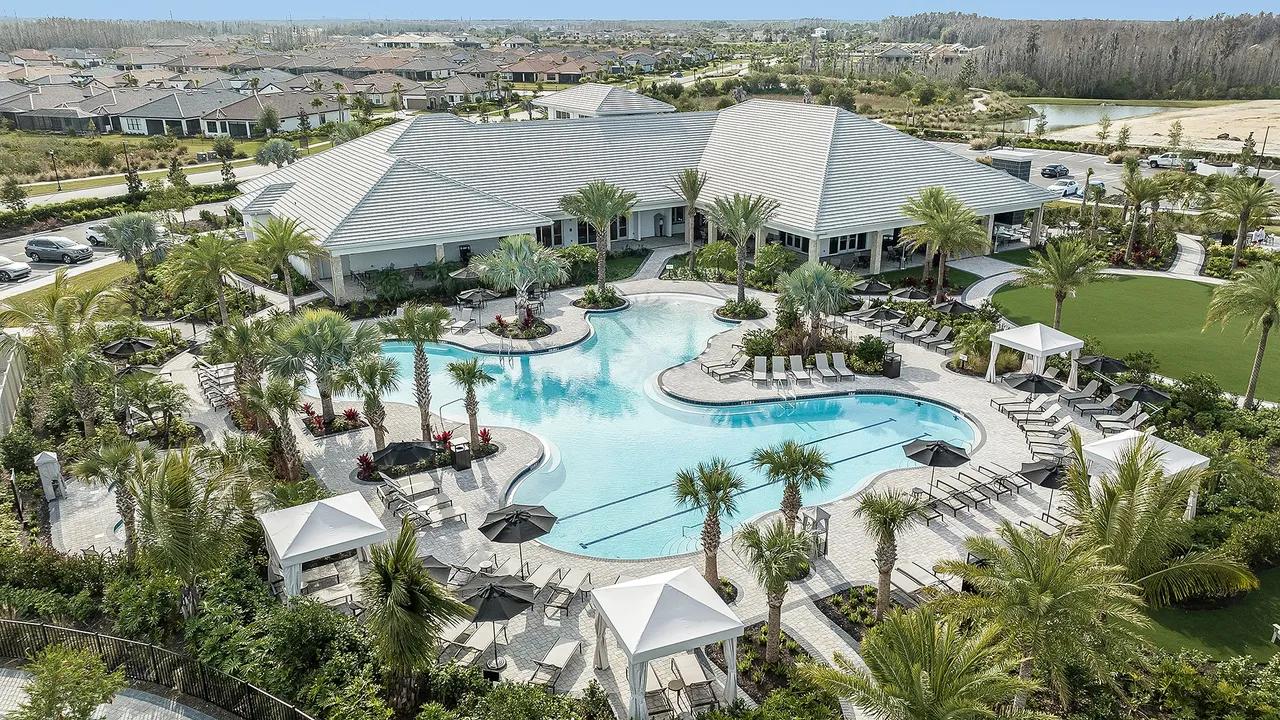
🏊 1. Resort-Style Amenities Without the Resort-Style Hotel Bill
Who doesn't love a good pool day?
Some HOA communities in Tampa Bay offer amenities that make staying close to home feel like a weekend getaway.
Depending on the neighborhood, you might find:
- 🏊 Community swimming pools: Enjoy a refreshing dip without maintaining your own pool.
- 💪 Fitness centers: Convenient workout spaces that may reduce the need for a separate gym membership.
- 🌳 Walking trails and parks: Outdoor spaces for exercise, relaxation, and fresh air.
- 🎉 Clubhouses: Shared spaces for gatherings and community activities.
- 🎾 Sports courts: Tennis, pickleball, basketball, and other recreational options.
And here's the best part: You don't have to personally handle the cleaning, repairs, or upkeep of every shared amenity.
Of course, those services aren't free. They're typically supported by HOA dues and other association funds.
The real perk is convenience, not necessarily savings.
🌴 2. Neighborhood Landscaping That Stays Looking Good
You know those neighborhoods where the entrance always looks like someone just finished a landscaping photoshoot?
Freshly trimmed hedges. Beautiful flowers. Palm trees looking like they're on vacation. 😂
That's one potential benefit of HOA-managed landscaping.
Many associations maintain shared areas such as:
- Neighborhood entrances and signage
- Common-area lawns and gardens
- Community walking paths
- Shared green spaces
- Landscaping around recreational facilities
Some communities also include certain residential landscaping services, although this varies by association.
For buyers who appreciate professionally maintained common spaces, this can be a meaningful advantage.
Just remember: HOA landscaping services don't automatically mean your personal lawn care is included.
🏡 3. Community Standards Can Help Maintain a Consistent Appearance
Ever driven through a neighborhood and noticed how well-maintained the homes and shared spaces look?
In some HOA communities, established exterior maintenance standards contribute to that consistency.
Associations may have requirements concerning property upkeep, approved exterior changes, and certain visible improvements.
For homeowners who appreciate a more uniform neighborhood appearance, these standards can be appealing.
However, HOA rules don't guarantee higher property values, and enforcement practices vary between communities.
Think of it as a possible benefit rather than a promise.
🔧 4. Some Maintenance Responsibilities Are Shared
Owning a home already comes with enough responsibilities.
The air conditioner needs servicing. The roof needs attention. And somehow, there's always another project waiting. 😭
Depending on the property type and association documents, an HOA may handle certain shared maintenance responsibilities, including:
- Common-area irrigation
- Private community roads
- Shared lighting
- Recreational facilities
- Community landscaping
- Other association-owned property
This can make community management more convenient because individual homeowners aren't coordinating every shared repair.
But here's an important distinction:
The HOA generally maintains what it's responsible for under its governing documents, not everything associated with your home.
Always review which services are included before purchasing.
🤝 5. Organized Management for Shared Community Issues
Imagine a neighborhood clubhouse needs repairs or a shared walking path has damaged lighting.
In an HOA community, there's usually an established organization responsible for coordinating those matters.
An association board may oversee budgets, hire contractors, manage shared property, and address community maintenance concerns.
Some communities also organize optional events or activities that give residents opportunities to connect.
Of course, how efficiently an association operates depends on its leadership, finances, and management practices.
A well-run HOA can be valuable. A poorly managed one can create headaches.
That's why reviewing an association's financial records and governing documents matters just as much as admiring its amenities.
💡 SO, ARE HOA COMMUNITIES WORTH IT?
For some Tampa Bay buyers, absolutely!
An HOA community may offer a combination of shared amenities, maintained common areas, organized management, and convenient recreational spaces that fits their priorities.
But here's where things get interesting.
That gorgeous community pool? Someone has to pay for it.
Those perfectly maintained entrances? They cost money too.
And those neighborhood standards? They can sometimes limit what homeowners are allowed to do.
So before you fall in love with the perks, there's another side of HOA living you need to understand. 👀
THE CONS OF LIVING IN AN HOA COMMUNITY: WHEN THE PERKS COME WITH STRINGS ATTACHED! 🚩💸
Okay, we've talked about the beautiful pools, manicured lawns, and resort-style amenities.
Now let's talk about the part that doesn't always make it into the neighborhood brochure. 👀
Because living in an HOA community in Florida can come with a few surprises, and we're not just talking about the monthly bill.
Imagine buying your dream home, getting ready to install a new fence, and discovering you need to submit paperwork before the first post goes into the ground.
Or finding out that your favorite exterior paint color isn't on the approved list.
Wait… I bought the house, but I need permission to change it?! 😭😂
Welcome to the other side of HOA living.
💸 1. HOA Fees Can Add Up Faster Than You Think
Let's start with the obvious: HOA fees in Florida are an additional homeownership expense.
Depending on the community, you may pay monthly, quarterly, or annually.
And those fees don't necessarily stay the same forever.
As insurance, maintenance, labor, and operating costs change, associations may need to adjust their budgets and assessments.
For example, consider these hypothetical monthly HOA fees:
- $75/month: $900 per year
- $150/month: $1,800 per year
- $250/month: $3,000 per year
- $400/month: $4,800 per year
That's money you need to account for when calculating your housing budget.
And here's the kicker: Mandatory HOA dues generally apply whether you use the amenities or not.
Haven't visited the community pool in six months? You're still contributing to its upkeep. 🏊
🎨 2. Your Home, Your Style… But Check the Rules First!
One of the biggest disadvantages of HOA communities is the potential for restrictions on exterior changes.
Depending on the association's governing documents and applicable laws, certain improvements may require approval.
Examples include:
- 🏡 Installing or replacing fences
- 🎨 Changing exterior paint colors
- 🌴 Making certain landscaping modifications
- 🛠️ Building sheds or other outdoor structures
- 🚗 Changing driveways or visible exterior features
Now imagine spending weeks choosing the perfect shade of sage green for your front door, only to discover it doesn't meet the community's design standards.
There goes your Pinterest board. 😭
However, Florida law places limits on certain HOA restrictions, and not every rule an association attempts to enforce is necessarily lawful.
Before buying, review the architectural guidelines and understand which changes require approval.
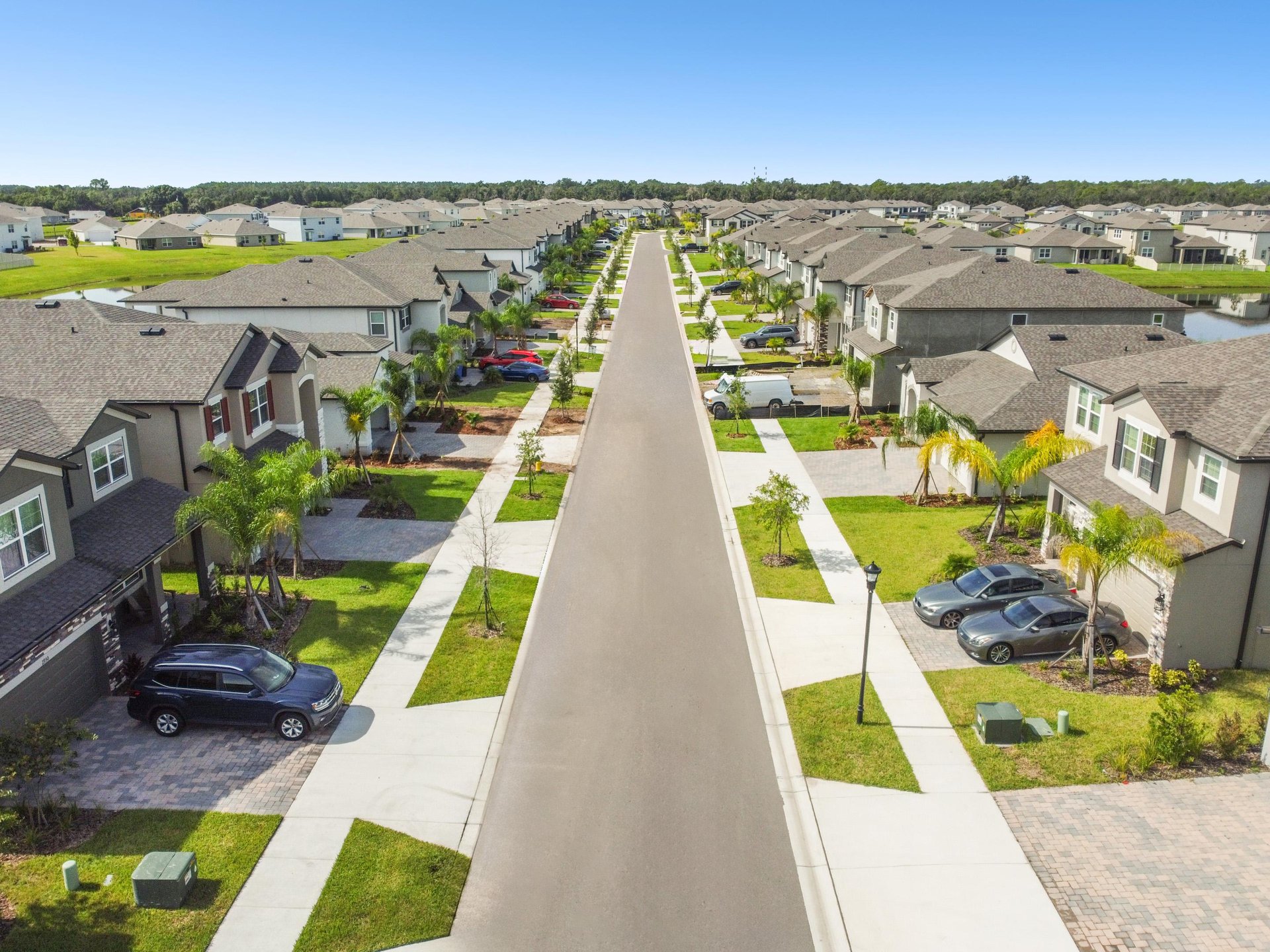
🚗 3. Parking, Rentals & Property Use May Come With Restrictions
Got multiple vehicles? Drive a work truck? Thinking about renting out your property someday?
These are important questions to ask before purchasing in an HOA community.
Some associations regulate:
- Certain vehicle parking arrangements
- Recreational vehicles and boats
- Short-term or long-term rentals
- Exterior storage
- Certain property uses
But there's an important Florida-specific detail.
Under Florida Statute 720.3075, certain parking protections apply to personal vehicles and qualifying work vehicles.
That means an HOA cannot automatically prohibit every work truck simply because it has business markings.
The vehicle's classification, parking location, and applicable statutory protections matter.
The takeaway? Don't assume a restriction is enforceable just because it's written in the community handbook.
⚠️ 4. HOA Violations Can Become Expensive Headaches
Nobody enjoys receiving an unexpected letter about their property.
Especially when that letter includes the possibility of a fine. 😬
Florida homeowners associations may impose fines for certain violations, but they must follow applicable legal requirements.
Under Florida Statute 720.305, qualifying associations must comply with statutory procedures and limitations when imposing fines or suspensions.
The association's authority isn't unlimited, and homeowners have legal protections.
Still, dealing with violation notices, disputes, or approval disagreements can be frustrating.
A good rule of thumb: Understand the association's enforcement procedures before you become a member.
🏦 5. Special Assessments Can Catch Homeowners Off Guard
Here's one expense buyers sometimes overlook.
HOA special assessments.
These are additional charges that an association may impose, when legally authorized, to cover certain expenses beyond regular dues.
For example, a community might need funding for major shared-property repairs or unexpected infrastructure expenses.
Depending on the association's financial condition and governing documents, owners could face additional payment obligations.
This is why reviewing the HOA's budget, reserves, financial reports, and known assessments is so important.
A low monthly HOA fee might look attractive, but it doesn't automatically mean the association is financially healthy.
🗳️ 6. Association Decisions Can Affect Your Property
When you live in an HOA community, some decisions affecting shared property and association operations are made collectively through the board and applicable membership voting procedures.
That may include budgets, common-area projects, or changes permitted under the governing documents.
You can participate in the association's governance as allowed by law, but you won't necessarily agree with every decision.
And depending on the issue, disagreement doesn't automatically excuse a homeowner from complying with lawful association obligations.
For buyers who prefer greater independence, this shared decision-making structure may be an important consideration.
🚩 SO, IS LIVING IN AN HOA A BAD IDEA?
Not necessarily!
An HOA can offer valuable conveniences, but those benefits come with financial commitments and community obligations.
The biggest potential drawbacks include:
- Mandatory association fees that may increase
- Restrictions on certain property improvements
- Possible fines and enforcement disputes
- Additional assessments for qualifying expenses
- Less individual control over some community decisions
Before purchasing, ask yourself one important question:
Am I comfortable trading some flexibility for the services and amenities this community provides?
Because for some homeowners, the answer is absolutely yes.
For others?
They'd rather skip the HOA board meetings and paint their front door whatever color they want. 😂🎨
And that brings us to our next question…
What happens when you buy a home without an HOA?
Is it really more freedom, fewer expenses, and fewer headaches?
Let's find out! 👀🏡
NO HOA, NO PROBLEM? THE PROS OF LIVING WITHOUT AN HOA! 🏡✨
Imagine pulling into your driveway, looking at your house, and thinking…
"You know what? I want to paint my front door bright yellow." 💛
And instead of filling out an approval application, you head straight to the paint store.
No HOA architectural committee. No waiting for a meeting. No neighborhood approval letter.
Just you, your house, and a very bold design decision. 😂
That's part of the appeal of buying a home without an HOA in Florida.
But the benefits go beyond choosing paint colors. Let's talk about why some Tampa Bay homebuyers specifically search for no-HOA homes for sale.
🎨 1. More Freedom to Make Your Home Your Own
Want a colorful front door? A tropical backyard? A completely different landscaping style?
With a no-HOA property, you generally have more flexibility to personalize your home without seeking approval from a homeowners association.
Depending on local regulations and property restrictions, that could mean:
- 🌺 Creating a tropical garden with your favorite plants
- 🏡 Updating your home's exterior design
- 🛠️ Adding a shed, patio, or outdoor feature
- 🎨 Choosing your preferred exterior color scheme
- 🌴 Designing a backyard that reflects your lifestyle
Whether your style is modern minimalist, coastal Florida, or full-on tropical paradise, you may have more room to express yourself.
Important: No HOA doesn't mean no rules. Local zoning laws, building permits, historic district requirements, and recorded deed restrictions may still apply.
But eliminating an HOA approval process can make certain home improvements simpler.
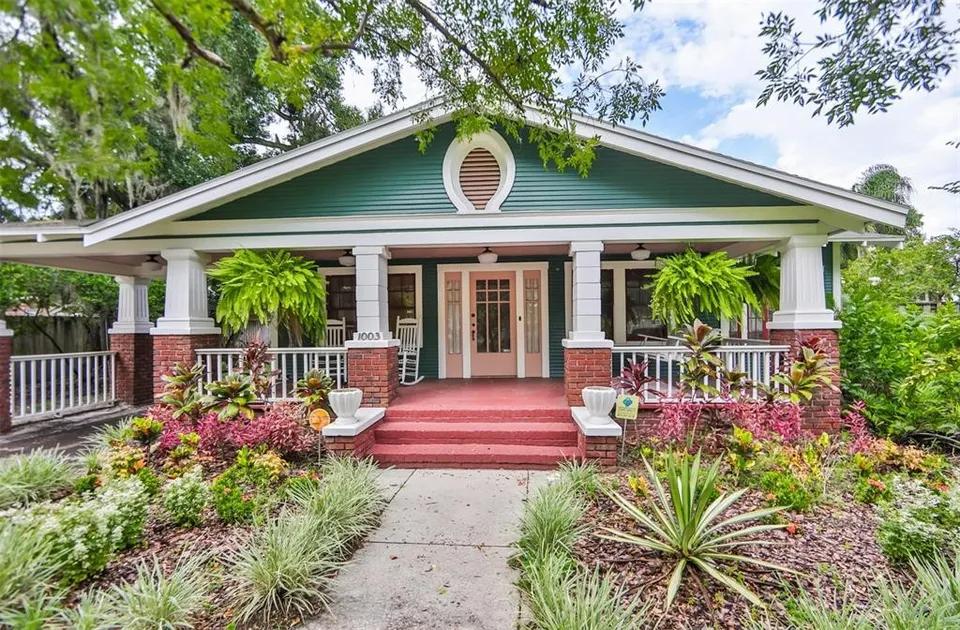
💸 2. No Mandatory HOA Dues Taking a Bite Out of Your Budget
Let's talk about something everybody loves.
Keeping more money in your pocket! 😂💰
One major advantage of living without an HOA is avoiding mandatory homeowners association dues.
That means no recurring HOA payment on top of your mortgage, property taxes, insurance, and other homeownership expenses.
You may choose to put that money toward:
- Building an emergency savings fund
- Home renovations and upgrades
- Landscaping projects
- Paying down your mortgage
- Other financial priorities
Of course, no HOA fees doesn't automatically mean a cheaper home.
You'll still be responsible for maintenance, repairs, insurance, taxes, and any applicable special district assessments.
But for buyers who don't want to pay for shared amenities they might rarely use, avoiding HOA dues can be a meaningful benefit.
🚗 3. More Flexibility for Vehicles, Boats & Outdoor Equipment
Florida living often comes with a few extras.
Maybe you've got a boat for weekend adventures, a trailer for projects, or an additional vehicle that needs parking.
In a no-HOA neighborhood, you won't have association-specific parking restrictions to navigate.
That can make it easier to find a property that accommodates your needs.
However, local parking ordinances, zoning requirements, and other property restrictions still apply, especially when it comes to commercial vehicles, trailers, and recreational equipment.
So before you picture that boat sitting proudly in your driveway, check the rules for the specific address. 🚤😂
🌴 4. More Opportunities to Create Your Dream Backyard
Now THIS is where things get interesting!
Imagine turning your backyard into your own private Florida getaway.
We're talking:
- 🍹 A covered outdoor entertainment area
- 🔥 A cozy fire pit and seating space
- 🏊 A swimming pool or relaxing spa
- 🌺 Tropical landscaping and beautiful garden beds
- 🍔 An outdoor kitchen for weekend cookouts
With no HOA design review to consider, planning certain improvements may involve fewer approval steps.
And in Tampa Bay, where outdoor living is a major part of the Florida lifestyle, that flexibility can be especially appealing.
Just remember that pools, structures, electrical work, and other improvements may still require permits and inspections.
Your backyard can be your personal paradise, as long as your plans meet applicable regulations.
🏡 5. More Independence in Everyday Property Decisions
One of the most appealing aspects of no-HOA living in Florida is having fewer association-related obligations.
You generally won't have to participate in HOA governance, request association permission for covered changes, or pay association fines.
That doesn't eliminate the responsibilities of homeownership.
But it does mean one fewer layer of oversight when making decisions about your property.
For some buyers, that independence is worth more than access to a community clubhouse.
🔍 BONUS: More Flexibility Doesn't Mean Every No-HOA Home Is the Same
Here's something worth remembering when searching for homes without an HOA in Tampa, Brandon, Riverview, or Wesley Chapel.
Two properties can both be advertised as having no HOA and still come with very different responsibilities.
One might have deed restrictions. Another could be located in a historic district. A third might have a Community Development District (CDD) assessment.
That's why it's important to research the individual property rather than relying on the words "NO HOA!" in a listing.
At Frank Albert Realty, exploring different Tampa Bay home options can help buyers compare the features, costs, and property considerations that matter most to them.
👀 SO, IS BUYING A HOME WITHOUT AN HOA THE BETTER CHOICE?
If you value homeowner flexibility, fewer association-related expenses, and greater independence, a no-HOA property could be a great fit.
But before you start celebrating your freedom with a bright pink garage door… 😂
There's something else you should know.
When there's no HOA managing shared amenities or community maintenance, more responsibilities may fall directly on you.
And some of those responsibilities can get expensive.
THE CONS OF LIVING WITHOUT AN HOA: FREEDOM COMES WITH RESPONSIBILITY! 👀💸
No HOA fees. No association board. No asking permission to change your front door color.
Sounds like the dream, right? 😍🏡
Well, before you start celebrating your newfound homeowner freedom, there's one little detail we need to discuss.
When you're the boss of your property, you're also responsible for the problems that come with it. 😭😂
And while buying a home without an HOA in Florida has plenty of advantages, there are some disadvantages worth considering before making that big purchase.
Let's get into the side of no-HOA living that doesn't always make the real estate listing!
🔧 1. Home Maintenance? Congratulations, You're the Manager!
Remember that beautiful yard you couldn't wait to decorate?
Well, somebody has to mow it.
And trim the bushes.
And fix that broken sprinkler.
And figure out why the driveway suddenly looks like it's been through three hurricanes. 😂🌴
With a no-HOA home, you're generally responsible for arranging and paying for maintenance on your own property.
That may include:
- 🌱 Lawn care and landscaping
- 🏡 Exterior repairs and upkeep
- 💧 Irrigation system maintenance
- 🌳 Tree trimming and storm cleanup
- 🛠️ Driveway, fencing, and outdoor repairs
Of course, homeowners in HOA communities may have many of these same responsibilities.
The difference? Some HOA communities include certain maintenance services in their dues, while no-HOA homeowners typically arrange those services independently.
If you prefer managing your own contractors and maintenance schedule, that might not bother you.
But if you'd rather have certain services coordinated for you, it's something to consider.

🏊 2. Want a Pool or Fitness Center? You May Have to Find Your Own
Remember those resort-style amenities we talked about earlier?
Well, most individual no-HOA properties don't come with access to an association-managed pool, clubhouse, or fitness center.
Want to swim regularly? You might need your own pool or access to a public or private facility.
Love having a gym nearby? A separate membership could become part of your monthly budget.
And if you decide to install your own backyard pool?
Congratulations! You now own the pool AND the maintenance bill. 😭🏊
The upside is that you get to choose which amenities are worth paying for instead of contributing to a package of shared facilities.
🏘️ 3. Your Neighbor's Design Choices Might Not Match Yours
Picture this.
You've spent months perfecting your home's exterior.
Fresh landscaping. Beautiful paint. New outdoor lighting.
Your house is giving luxury magazine cover. 😍
Then the property next door gets painted a color you would NEVER have chosen.
Well… that's their style! 😂
In neighborhoods without an HOA, there generally isn't an association enforcing uniform exterior design standards.
That means you may see a wider variety of:
- Exterior paint colors
- Landscaping styles
- Fencing designs
- Home improvement choices
- Property appearances
Some buyers love that individuality because it gives a neighborhood personality.
Others prefer the more consistent appearance that certain HOA communities encourage.
Neither preference is automatically better. It comes down to what you enjoy seeing when you pull into your neighborhood.
And remember, local property maintenance codes can still apply even without an HOA.
💰 4. No HOA Fees Doesn't Mean No Unexpected Expenses
Here's where things can get tricky.
You might find a beautiful no-HOA home in Tampa Bay and think:
"Perfect! That's one less bill every month!"
And technically, you're right.
But avoiding HOA dues doesn't eliminate other homeownership expenses.
For example, you may still need to budget for:
- Roof repairs or replacement
- Air conditioning maintenance
- Homeowners insurance
- Landscaping and pest control
- Drainage or irrigation problems
- Storm preparation and repairs
Some of these costs also apply to HOA homeowners, depending on what their association covers.
And here's an important Florida detail: A home without an HOA can still have CDD assessments or other special district charges.
So don't assume that a listing advertising no HOA fees means the property has no additional assessments.
We'll break down HOA fees vs. CDD fees in Florida in the next section.
🤝 5. Neighborhood Issues May Require More Individual Coordination
Imagine a shared neighborhood concern comes up.
Maybe there's a question about maintaining a privately owned road, coordinating a neighborhood improvement, or addressing a problem involving multiple properties.
In an HOA community, an association may have established procedures for certain shared responsibilities.
Without one, resolving these issues may require homeowners to communicate directly, contact the appropriate local government department, or work through other applicable arrangements.
And depending on the situation, that process isn't always simple.
However, not every no-HOA neighborhood has shared private infrastructure, and public services remain the responsibility of the appropriate government agencies.
The important thing is understanding who maintains what before you buy.
🌴 DOES NO HOA LIVING MEAN MORE HEADACHES?
Not necessarily!
For some homeowners, the freedom to manage their own property is exactly what makes living without an HOA so appealing.
For others, arranging maintenance, handling property improvements, and paying separately for certain amenities might feel like extra work.
Here's the thing:
HOA living doesn't eliminate homeownership responsibilities, and no-HOA living doesn't automatically make them harder.
The real difference is how those responsibilities, expenses, and decisions are organized.
And that brings us to one of the BIGGEST questions in the entire HOA vs. no HOA debate…
Which option actually costs more? 💸👀
Because a house with a $200 monthly HOA fee might look more expensive on paper, but what if those dues cover services you'd otherwise pay for separately?
And what if that no-HOA home comes with expenses you weren't expecting?
HOA VS. NO HOA: LET'S TALK MONEY! 💸🏡
Okay, we've talked about the rules, the freedom, the beautiful amenities, and the maintenance responsibilities.
But now it's time for the question everybody really wants answered…
WHICH ONE IS GOING TO COST ME MORE?! 😭💰
Because finding your dream home is exciting, but discovering an extra $300 monthly expense after you've already fallen in love with the kitchen?
Not so exciting. 😂
When comparing HOA vs. no HOA costs in Florida, the listing price is only the beginning.
Let's break down where your money actually goes.
💰 1. How Much Can HOA Fees Really Cost?
HOA fees in Tampa Bay vary depending on the community, property type, amenities, and services included.
Some associations collect relatively modest annual dues, while others charge hundreds of dollars per month.
Here's how hypothetical HOA payments add up:
Monthly HOA Fee | Annual Cost | Five-Year Cost |
|---|---|---|
$100 | $1,200 | $6,000 |
$200 | $2,400 | $12,000 |
$300 | $3,600 | $18,000 |
$450 | $5,400 | $27,000 |
These are illustrative calculations assuming fees remain unchanged. They are not Tampa Bay market averages and exclude special assessments.
Now imagine paying $300 every month for five years.
That's $18,000 in HOA dues alone! 😳
But before you declare war on HOA fees, remember that those payments may cover services or amenities you'd otherwise purchase separately.
The question isn't just how much you're paying. It's what you're getting for that money.
🏡 2. HOA vs. No HOA: A Realistic Budget Comparison
Let's say you're comparing two hypothetical $350,000 homes in Tampa Bay.
One has an HOA. The other doesn't.
Expense | Home With HOA | Home Without HOA |
|---|---|---|
Home price | $350,000 | $350,000 |
Monthly HOA dues | $200 | $0 |
Annual HOA dues | $2,400 | $0 |
Private lawn care | Included in this example | $120/month |
Separate gym membership | Not needed in this example | $40/month |
Annual lawn care and gym costs | $0 additional | $1,920 |
Total compared annual expenses | $2,400 | $1,920 |
Example only. Assumes the HOA includes residential lawn care and a fitness center. Lawn care and gym expenses are optional or property-specific. Mortgage payments, taxes, insurance, repairs, and other assessments are excluded.
<text>Difference: $480 per year, with the no-HOA option costing less for these particular services.</text>
But change the services, property, or association dues, and the result could look completely different.
That is why buying a house with or without an HOA in Florida should involve comparing the total cost of ownership, not just the association fee.
🌴 3. HOA Fees vs. CDD Fees: Florida's Confusing Little Plot Twist
Here's where Florida homebuyers sometimes get surprised.
An HOA and a CDD are NOT the same thing!
An HOA (Homeowners Association) generally manages community rules, shared property, and services outlined in its governing documents.
A CDD (Community Development District) is a special-purpose local government created under Florida law that can finance, build, operate, or maintain certain community infrastructure and services.
Here's the important difference:
- HOA fees: Typically paid to the homeowners association according to its billing schedule.
- CDD assessments: Often collected through the property tax bill, although collection methods can vary.
- Both charges: Can apply to the same property.
Yes, you can buy a home that has both HOA dues AND CDD assessments. 😭
And a home advertised as having no HOA may still be subject to a CDD assessment.
When reviewing a property in Wesley Chapel, New Tampa, Riverview, or another Tampa Bay community, ask about both charges separately.
You can learn more about CDDs through Florida's Community Development District law.
⚠️ 4. Don't Forget About Special Assessments
Picture this.
You've finally gotten comfortable with your monthly housing budget.
Then you receive a notice about an additional association assessment.
Wait, ANOTHER bill?! 😩
Some HOAs may impose special assessments when permitted by their governing documents and applicable law.
These can arise from major repairs, unexpected expenses, or other association funding needs.
Before buying an HOA property, ask for the association's current budget, available financial records, and information about approved or anticipated assessments.
A low monthly HOA payment doesn't necessarily mean lower financial risk.
🧮 5. The Smart Way to Compare Both Options
Before deciding whether HOA fees are worth it in Florida, compare these expenses for each property:
- Monthly mortgage principal and interest
- Property taxes and applicable CDD assessments
- Homeowners and flood insurance, where applicable
- HOA dues and potential assessments
- Lawn care, pool care, and routine maintenance
- Major repair reserves
- Optional amenities or memberships
And don't forget to ask which services the HOA actually covers.
A $150 HOA fee covering services you already need may offer better value than a $75 fee covering very little.
On the other hand, paying for amenities you'll never use might not fit your budget.
💡 THE BIG MONEY TAKEAWAY
Is it cheaper to buy a home without an HOA in Florida?
Not always.
A no-HOA home eliminates mandatory association dues, but its other ownership costs may be higher or lower depending on the property.
An HOA home adds association expenses, but those dues may include useful services.
The better financial choice is the home whose total costs fit your budget and whose services match your priorities.
Because your dream home should come with beautiful memories, not financial surprises hiding in the fine print. 😂🏡
And now that we've covered the money, let's bring this debate closer to home.
Which Tampa Bay areas offer HOA and no-HOA options, and what should you look for in each? 🌴👀
TAMPA BAY SHOWDOWN: WHERE CAN YOU FIND HOA AND NO-HOA HOMES? 🌴🏡
So you've compared the rules, weighed the pros and cons, and done the math.
Now comes the fun part…
WHERE ARE WE BUYING THIS HOUSE?! 👀😂
Whether you're dreaming of a modern home with resort-style amenities or a charming Florida bungalow with room to express your personal style, Tampa Bay offers both HOA and no-HOA housing options.
But here's something buyers should know:
An entire city or neighborhood isn't automatically HOA or HOA-free. Association requirements can vary from one subdivision, building, or property to the next.
Let's explore what to look for in some popular Tampa Bay areas.
🌆 1. Tampa & South Tampa: Established Neighborhoods With Variety
Love mature trees, unique architecture, and homes with character?
Areas throughout Tampa and South Tampa offer a mixture of established residential streets, townhomes, condominiums, and newer developments.
Depending on the property, buyers may encounter:
- Single-family homes without mandatory HOA dues
- Townhomes with association-maintained shared spaces
- Condominiums with monthly association fees
- Newer communities with specific architectural standards
What to watch: Condominiums generally operate under a different legal framework than homeowners associations, so don't assume their fees and responsibilities are identical.
🏡 2. Seminole Heights & Riverside Heights: Character Over Cookie-Cutter
If your dream home includes a welcoming front porch, distinctive architecture, or a backyard with personality, these Tampa neighborhoods may be worth exploring.
Their established residential areas include many individually styled properties.
For buyers considering no-HOA homes in Tampa, it's worth checking available listings in these neighborhoods.
But don't confuse an older home with a restriction-free property.
Local zoning, historic preservation rules where applicable, and recorded deed restrictions can still influence what you can change.
Buyer tip: Love the charm? Budget for the home's age and condition, too. A beautiful older bungalow may need more maintenance than a recently built property.
🌴 3. Wesley Chapel & New Tampa: Community Amenities Take Center Stage
Picture a neighborhood with landscaped entrances, walking paths, pools, and recreational facilities.
Now you're getting into the appeal of some master-planned communities in Wesley Chapel and New Tampa.
Buyers exploring these areas will find developments where HOA-managed amenities are an important part of the ownership experience.
But remember:
- Amenity packages vary by community.
- HOA fees can differ significantly.
- Some properties may also have CDD assessments.
- Not every home in either area belongs to an HOA.
Buyer tip: Compare the actual community benefits against the full monthly and annual cost, including any CDD assessment.
A gorgeous pool is nice, but your budget deserves some attention, too! 😂💸
🌅 4. Brandon & Riverview: Compare Established Homes and Newer Developments
Shopping in Brandon or Riverview?
These areas offer opportunities to compare established subdivisions with newer residential communities.
Depending on the listing, you might find a home with no mandatory HOA or one within a community offering shared amenities and association services.
The key is understanding the trade-offs between individual properties rather than choosing based on the area's name alone.
Buyer tip: Ask about HOA restrictions, flood insurance considerations, commuting routes, and any applicable special district assessments before making an offer.
🔎 HOW TO FIND THE RIGHT HOA OR NO-HOA HOME IN TAMPA BAY
Instead of searching for the perfect neighborhood based on HOA status alone, start with your priorities.
Ask yourself:
- Budget: How much can I comfortably spend on total monthly housing expenses?
- Amenities: Would I regularly use a community pool, gym, or clubhouse?
- Flexibility: Do I want to make exterior improvements or accommodate specific parking needs?
- Maintenance: Which responsibilities would I prefer to handle myself?
- Location: Does the property's commute, layout, and surrounding area fit my needs?
And most importantly, verify the HOA status and governing documents for the exact property.
A listing marked "no HOA" is a helpful starting point, but buyers should confirm the information during due diligence.
🏡 FIND YOUR FIT WITH FRANK ALBERT REALTY
The best Tampa Bay home isn't necessarily the one with the most amenities or the fewest rules.
It's the one that fits your budget, property needs, and long-term plans.
Whether you're exploring established Tampa neighborhoods or newer communities in Wesley Chapel and Riverview, Frank Albert Realty can help you compare available properties and understand the questions worth asking before you buy.
Because falling in love with a house is easy.
Making sure you love everything that comes with it? That's the smart part. 😉🏡
And before you schedule that closing date, there's one final step you shouldn't skip…
Knowing exactly what to ask before buying a home with or without an HOA! 📝👀
BEFORE YOU BUY, ASK THESE QUESTIONS! 📝👀
You've found the house. The kitchen is gorgeous. The backyard is calling your name. You've already mentally arranged the furniture.
But before you start ordering that oversized sectional…
HOLD UP! HAVE YOU READ THE FINE PRINT?! 😭😂
Because whether you're buying a home with an HOA or without one, there are a few questions that could save you money, stress, and some very awkward surprises after closing.
Let's make sure you know exactly what you're signing up for.
🔍 1. What Should You Ask Before Buying a Home With an HOA?
Before purchasing in an HOA community in Florida, don't just ask how much the monthly dues are.
Ask what those dues actually cover!
Here are some important questions:
- 💰 How much are the HOA fees? Are they collected monthly, quarterly, or annually?
- 📈 Have the fees increased recently? Are any increases planned or approved?
- 🏊 What amenities and services are included? Think pools, landscaping, recreational facilities, and shared maintenance.
- 📝 What are the community restrictions? Review rules concerning exterior changes, parking, and property use.
- 🏦 Are there special assessments? Ask about approved assessments and any major expenses being considered.
- 🔧 What is the association's financial condition? Request available budgets, financial reports, and reserve information.
- ⚖️ Are there significant pending disputes or litigation? Understand whether they could affect the association or property.
PRO TIP: Request and review the governing documents, including applicable covenants, bylaws, and rules, before your purchase deadlines.
Don't rely on someone saying, "Oh, the HOA is pretty relaxed."
Because pretty relaxed isn't a legal document. 😂
🏡 2. What Should You Ask Before Buying a No-HOA Home?
Thinking about skipping the association altogether?
Great! But don't skip your research.
Before buying a home without an HOA in Tampa Bay, ask:
- 🌴 Are there recorded deed restrictions? A property can have restrictions even without an active HOA.
- 🏗️ What improvements are permitted? Check zoning, setbacks, and permit requirements.
- 🚗 Are there local parking restrictions? Especially if you own a trailer, boat, RV, or work vehicle.
- 💸 Are there CDD assessments or other special district charges? No HOA doesn't necessarily mean no assessments.
- 🔧 Who maintains private roads or shared infrastructure? Confirm whether any private maintenance obligations exist.
- 🌊 What are the property's flood and insurance considerations? Review the specific address rather than making assumptions based on the neighborhood.
Remember: More flexibility is wonderful, but knowing your responsibilities is even better.
🚩 3. HOA Red Flags Florida Homebuyers Shouldn't Ignore
Not every HOA concern is a dealbreaker, but certain findings deserve a closer look.
Watch for:
- Repeated or substantial fee increases without a clear explanation
- Major planned repairs with uncertain funding
- Limited financial information or unanswered budget questions
- Restrictions that conflict with how you intend to use the property
- Significant unresolved disputes affecting the association
- Confusing information about what the HOA actually maintains
These issues don't automatically mean you should walk away.
They mean it's time to ask more questions and, when appropriate, consult a qualified real estate attorney or other professional.
A beautiful community entrance doesn't tell you what's happening behind the financial paperwork. 👀
HOA VS. NO HOA IN FLORIDA: FREQUENTLY ASKED QUESTIONS ❓🏡
1. Is it better to buy a house with or without an HOA in Florida?
It depends on your budget and priorities. HOA communities may offer shared amenities and organized common-area maintenance, while no-HOA homes generally provide greater independence from association rules and dues. Compare the property's total expenses, restrictions, and maintenance responsibilities before deciding.
2. Can an HOA fine you in Florida?
Yes, Florida homeowners associations may impose fines for qualifying violations, subject to applicable legal procedures and limitations. The association must follow Florida law, including relevant provisions of Florida Statute 720.305.
3. Can you find homes without an HOA in Tampa, Florida?
Yes! Buyers can find no-HOA homes in Tampa and surrounding Tampa Bay areas, particularly among some established residential properties. However, HOA status varies by individual property, and buyers should verify recorded restrictions and other obligations before purchasing.
4. Are HOA fees included in your mortgage payment?
Generally, HOA dues are separate from your mortgage payment and are paid according to the association's billing schedule. Mortgage lenders may still consider HOA fees when evaluating your ability to afford a property.
CDD assessments, when collected on the property tax bill, may be reflected in a mortgage escrow payment.
5. Can an HOA stop you from parking a work truck in your driveway in Florida?
Not automatically. Florida law provides certain protections for qualifying personal vehicles and work vehicles. Whether a particular restriction is enforceable depends on the vehicle, parking location, applicable law, and circumstances.
Review Florida Statute 720.3075 and seek qualified legal advice for a specific dispute.
💡 ONE LAST TIP BEFORE YOU MAKE AN OFFER
Here's something worth remembering:
Don't buy a home based only on how it looks. Buy it with a clear understanding of what ownership will actually involve.
That means reading the documents, reviewing the expenses, checking the property restrictions, and asking questions before your contractual deadlines pass.
Because nobody wants to discover three months after moving in that their dream backyard project isn't allowed or that an unexpected assessment is coming due. 😭
Whether you're Team HOA or Team No HOA, doing your homework now can make your homeownership experience a whole lot smoother.
And after all this debating, there's one final question…
Which option deserves the keys to your next chapter? 🔑🏡
HOA OR NO HOA? THE CHOICE IS YOURS! 🏡✨
So, after all the fees, rules, amenities, restrictions, and homeowner freedom we've discussed…
ARE YOU TEAM HOA OR TEAM NO HOA?! 👀😂
Maybe you're dreaming of a beautiful community with a resort-style pool, walking trails, and amenities just around the corner.
Or maybe you're the type who wants to pull into your driveway, park your boat where it's legally allowed, paint your front door a bold color, and enjoy your home without an HOA approval process. 🎨🚤
Here's the plot twist: Neither option is automatically better!
The best choice depends on what matters most to you.
An HOA community in Florida might be worth it if you appreciate shared amenities, organized common-area maintenance, and established neighborhood standards.
A home without an HOA might be the better fit if you prefer more independence, fewer association-related obligations, and the flexibility to personalize your property.
But regardless of which side you're on, remember this:
The smartest homebuyers don't just fall in love with the house. They understand everything that comes with it. 🔑
🌴 YOUR DREAM HOME IS WAITING IN TAMPA BAY!
From charming homes in Tampa to newer developments in Wesley Chapel, Brandon, Riverview, and beyond, the Tampa Bay real estate market offers a variety of properties with different amenities, expenses, and ownership requirements.
And finding the right one shouldn't feel like solving a mystery. 😂
Whether you're searching for no-HOA homes in Tampa Bay, exploring communities with resort-style amenities, or simply trying to decide which option fits your budget, Frank Albert Realty is here to help you navigate your next move.
Our team can help you explore available properties, compare community features, and identify important questions to ask before making an offer.
🏡 READY TO FIND A HOME THAT FITS YOUR LIFESTYLE?
Your dream home should match more than your Pinterest board.
It should fit your budget, your priorities, and the way you want to live.
Whether you're buying your first home, searching for your next property, or preparing to sell your current home, we're ready to help you take that next step.
Connect Frank Albert Realty today!
Because finding a house is one thing.
Finding a place that truly feels like YOUR home? That's the goal. ❤️🏡
👀 NOW WE WANT TO HEAR FROM YOU!
TEAM HOA 🏊 OR TEAM NO HOA 🎨?
Would you rather pay for community amenities and established neighborhood standards, or skip the HOA dues and enjoy more flexibility?
Drop your answer in the comments! 👇😂
And if you know someone house hunting in Florida, share this blog with them before they sign on the dotted line.
Their future wallet might thank you! 💸🏡