What the Internet Was Like Before Social Media Took Over
Dial-Up, AIM, MySpace, LimeWire & the Internet Memories We’ll Never Forget
Before Wi-Fi, smartphones and notifications followed us everywhere, getting on the internet was an event. 😂
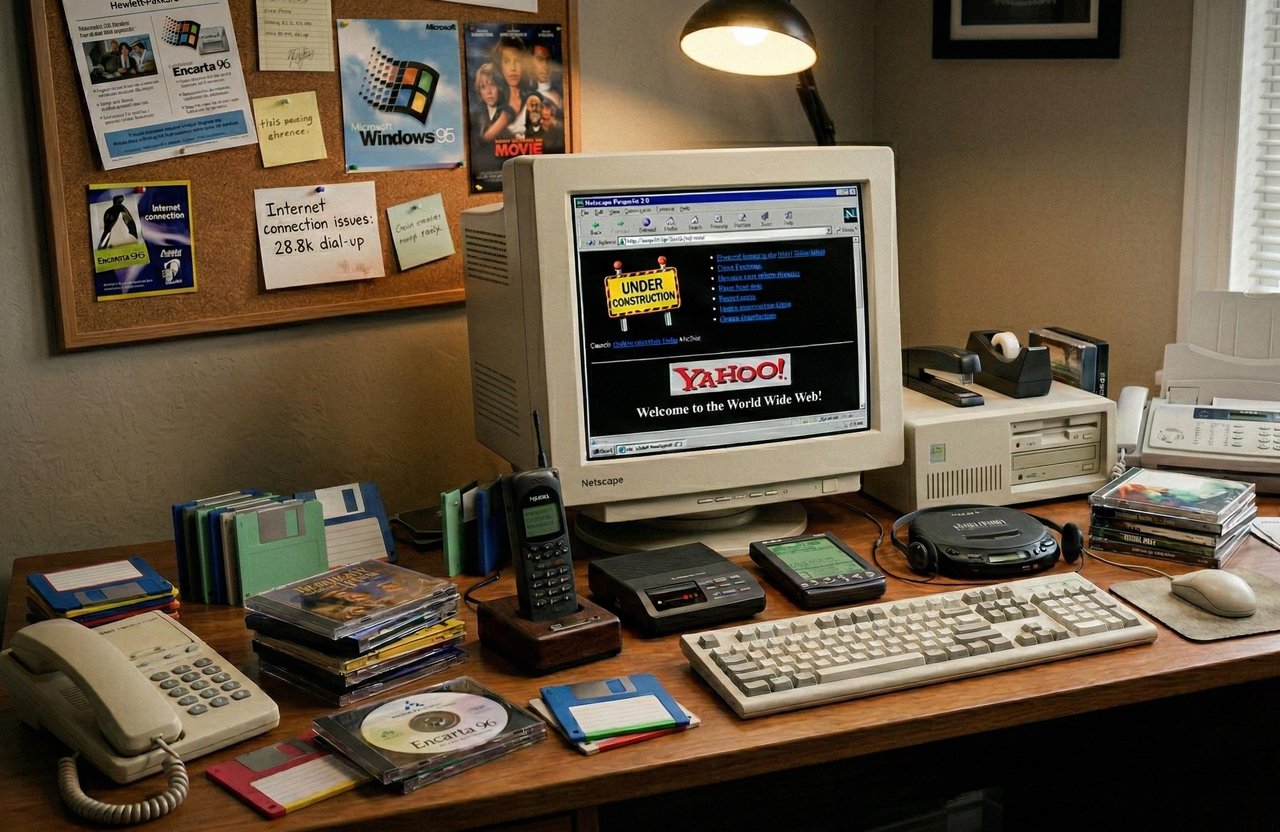
You sat down at the family computer, clicked that little AOL icon and waited while the modem made a sound that can only be described as a robot fighting for its life.
And heaven forbid somebody needed the house phone.
“GET OFF THE INTERNET! I NEED TO MAKE A CALL!” 😭
There was no casually checking Instagram while watching TV. No TikTok rabbit hole before bed. No group chat buzzing all day. When you got online, you were ONLINE. And when you logged off?
You were actually gone.
At Frank Albert Realty, we know a home holds more than belongings. It holds memories too, and for a whole generation, the family computer was part of them.
💻 What Was the Internet Like Before Social Media?
Before today's social platforms took over, the internet was centered around desktop computers, dial-up connections, email, chat rooms, instant messaging, personal websites and eventually early social networks like MySpace.
People weren't connected every second of the day. Going online usually meant sitting down at a computer, connecting to the internet and intentionally choosing what you wanted to do.
And somehow... we could spend HOURS doing absolutely nothing. 😂
Checking who was online.
Changing an AIM away message.
Searching random things.
Downloading one song for what felt like three business days.
Or customizing a MySpace page like we had just been hired as professional web designers.
The internet before social media wasn't necessarily better. It was slower, messier and sometimes ridiculously inconvenient.
But it had something today's internet doesn't quite have:
You could leave it.
The internet used to be somewhere we went.
Now, it's something we carry everywhere.
And before we get to MySpace drama, suspicious LimeWire downloads and the absolute power of an AIM away message, we have to start with the struggle that made all of it possible...
Dial-up internet. 📞💻
The Dial-Up Struggle Was REAL 📞💻
If you never had to wait for the internet to connect, you missed an entire character-building experience. 😂
Before Wi-Fi connected automatically, many households used dial-up internet, which connected through the telephone line.
And that meant one very important rule:
📞 Internet or Phone. PICK ONE.
You could be halfway through doing something online when suddenly someone yelled:
“I NEED TO USE THE PHONE!”
And just like that... your internet session was OVER. 😭
No saving your spot. No switching to cellular data. No hotspot.
You disconnected.
Then there was the sound.
You'd click connect and hear a chaotic combination of beeps, screeches, static and robotic noises while your computer attempted to get online.
And somehow, hearing those noises was exciting because you knew what was coming:
You were about to enter the internet. 😂
⏳ Everything Required Patience
Today's internet has us annoyed when a page takes three seconds to load.
Back then?
You might click a webpage and literally watch it appear piece by piece.
Images slowly loaded from the top down. Videos weren't something you casually watched all day. And downloading music could turn into an evening-long commitment.
You could start downloading a song, go get something to eat, come back...
37%. 😭
And if the connection dropped at the wrong time?
Good luck.
🖥️ The Family Computer Was THE Spot
For many households, there wasn't a laptop in every room or a smartphone in every hand.
There was the computer.
Usually sitting on a giant computer desk with a keyboard tray, speakers, a printer nobody could ever get to work correctly and approximately 47 mysterious cords underneath it. 😂
And because it was often in a shared space, privacy wasn't exactly guaranteed.
Someone could walk behind you at ANY moment.
Which meant mastering the quickest minimize-window reflex known to mankind. 💀
But as slow and inconvenient as dial-up internet was, it made getting online feel exciting.
Because once that connection finally went through, there was an entire digital world waiting.
And eventually, we weren't just browsing websites anymore.
We were waiting for one very important sound:
“You’ve got mail.” 📧
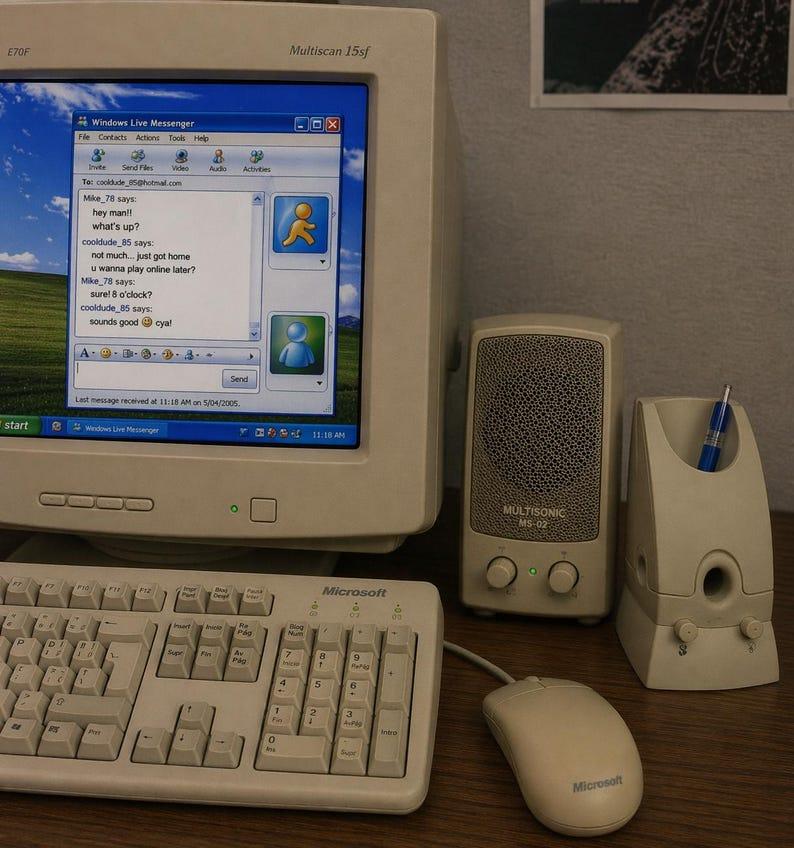
AOL & AIM Were Basically Our Social Lives 😂💬
Before DMs, read receipts and group chats, there was one question that mattered:
“Are they online?” 👀
Because if that little screen name popped up on your AIM Buddy List, suddenly you weren't going anywhere. 😂
💻 Your Screen Name Was Your Entire Identity
Creating an AOL or AIM screen name was serious business.
You couldn't just use your actual name. Absolutely not.
It needed personality.
Maybe your nickname, favorite number, birth year, random X's or enough unnecessary letters to make absolutely sure nobody could ever guess how to spell it. 😂
And once you picked one?
That was you.
👀 The Buddy List Told You Everything
AIM didn't need stories or activity statuses.
The Buddy List gave you all the information you needed.
Who's online?
Who's away?
Who just signed on?
And most importantly...
Did the person you wanted to talk to just log in? 👀
That little notification could change your entire evening.
But you couldn't message them immediately.
Noooo.
You had to wait a few minutes so it didn't look like you'd been sitting there waiting for them.
Even though...
you absolutely were. 😂
📝 AIM Away Messages Were the Original Status Updates
Away messages weren't simply:
“I'm away.”
That would've been way too easy.
They were song lyrics.
Inside jokes.
Cryptic messages.
Dramatic quotes.
Or something extremely specific that was supposedly for “nobody” but was very obviously for one person. 😭
You could communicate an entire mood without actually talking to anyone.
Sound familiar?
Long before Instagram Stories and cryptic social posts, AIM away messages were already doing the job.
🚪 And Then There Was the Sign-On Strategy...
Sometimes you didn't even need to send a message.
You'd sign off.
Wait.
Sign back on.
Just so your screen name would appear again and maybe a certain person would notice.
Be honest... somebody reading this KNOWS exactly what I'm talking about. 😂
AOL and AIM made the early internet feel social before being online became an all-day experience.
But eventually, simply chatting wasn't enough.
We needed pictures.
Music.
Profile customization.
Friend rankings.
And apparently, a way to publicly let everyone know who our eight favorite people were.
Enter...
MySpace. 👀💻
MySpace Top 8 Could End a Friendship 👀💻
Before followers, close friends lists and blue checkmarks, there was a much more dangerous form of social currency:
The MySpace Top 8. 😂
And listen...
Your placement MATTERED.
Moving somebody from #2 to #7 without explanation?
Drama.
Removing somebody completely?
Friendship emergency. 🚨
Adding somebody new?
Now everybody wanted to know who they were. 👀
MySpace didn't just let you have friends.
It made you rank them publicly. 💀
🎵 Your Profile Song Said Everything
Then came the profile song.
Choosing one was serious because the second someone clicked your page...
BOOM. Music. 😂
Your song could tell everyone you were in love, heartbroken, feeling yourself or going through something that absolutely did not need to be announced to the entire internet.
And changing it?
That usually meant something happened.
If the song suddenly switched from happy to heartbreak overnight, your friends didn't need an explanation.
They already knew. 😭
💻 Somehow, We All Became Web Designers
MySpace also had an entire generation casually learning bits of HTML and profile customization just because we wanted our pages to look cool.
Backgrounds.
Fonts.
Colors.
Glitter graphics.
Moving images.
Custom layouts.
Music.
And approximately 600 things happening on the screen at once. 😂
Minimalism?
We didn't know her.
You could spend HOURS changing your page just to decide you hated everything and start over again.
📸 And Don't Forget the Mirror Pictures
Before perfectly curated feeds and professional-looking content, we had...
Digital camera mirror pictures.
Flash ON.
Bathroom mirror.
Camera clearly visible.
Maybe a peace sign for absolutely no reason. ✌️😂
Then you'd upload an entire album with a title like:
“RaNdOmMm <3”
And somehow, everybody understood exactly what was happening.
👨💻 And Of Course... Tom
No discussion of MySpace nostalgia would be complete without Tom.
You created an account and there he was.
Your first friend.
Smiling.
Reliable.
Never asking why he wasn't in your Top 8. 😂
MySpace was messy, loud, overly customized and sometimes unnecessarily dramatic.
But it was also one of the first times the internet really felt like your own little corner of the world.
Your music.
Your pictures.
Your friends.
Your personality.
Your questionable design decisions. 💀
But while we were busy rearranging our Top 8 and choosing the perfect profile song, another early-internet activity was happening in the background...
One that required bravery.
Patience.
And absolutely no concern for the health of the family computer.
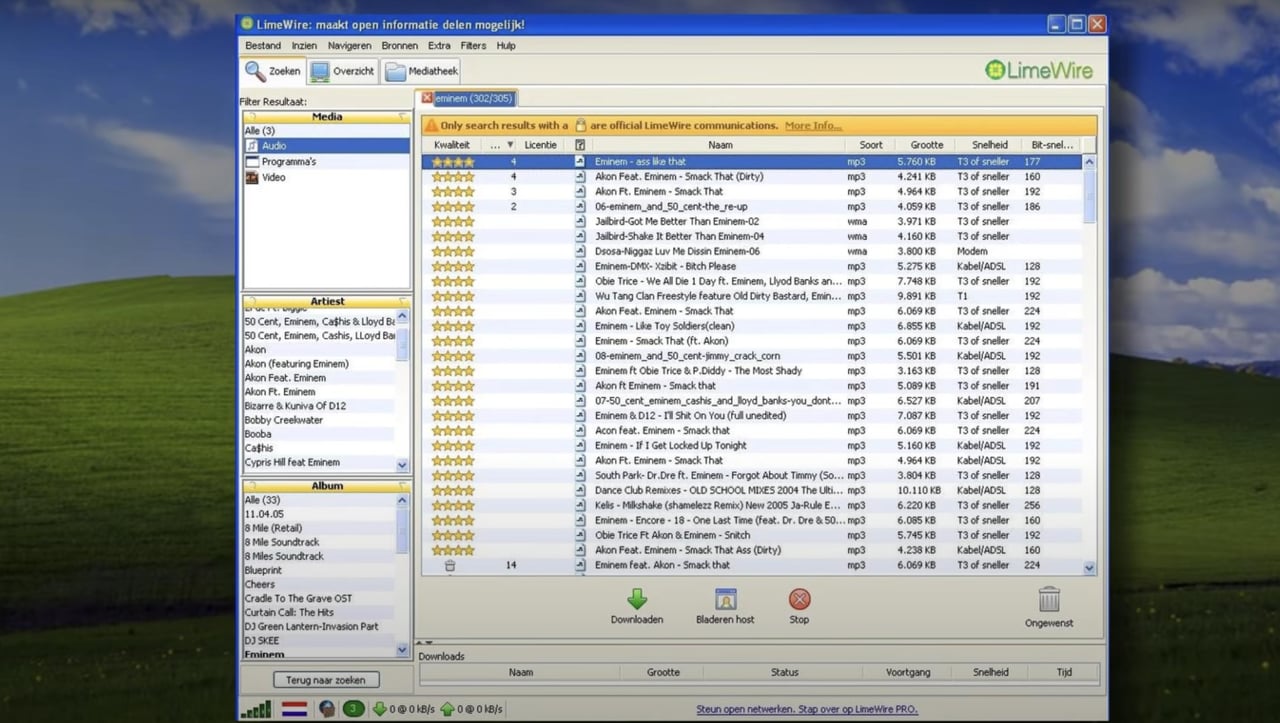
LimeWire. 💀🎵
LimeWire Had Us Risking the Entire Family Computer 💀🎵
There was a time when getting one song onto your computer required patience, hope and a complete disregard for cybersecurity. 😂
Enter:
If you remember LimeWire, you already know where this is going.
You searched for the song you wanted.
Twenty different files appeared.
Half had questionable names.
Some were suspiciously small.
And somehow we looked at all of that and thought:
“Yep. Download.” 💀
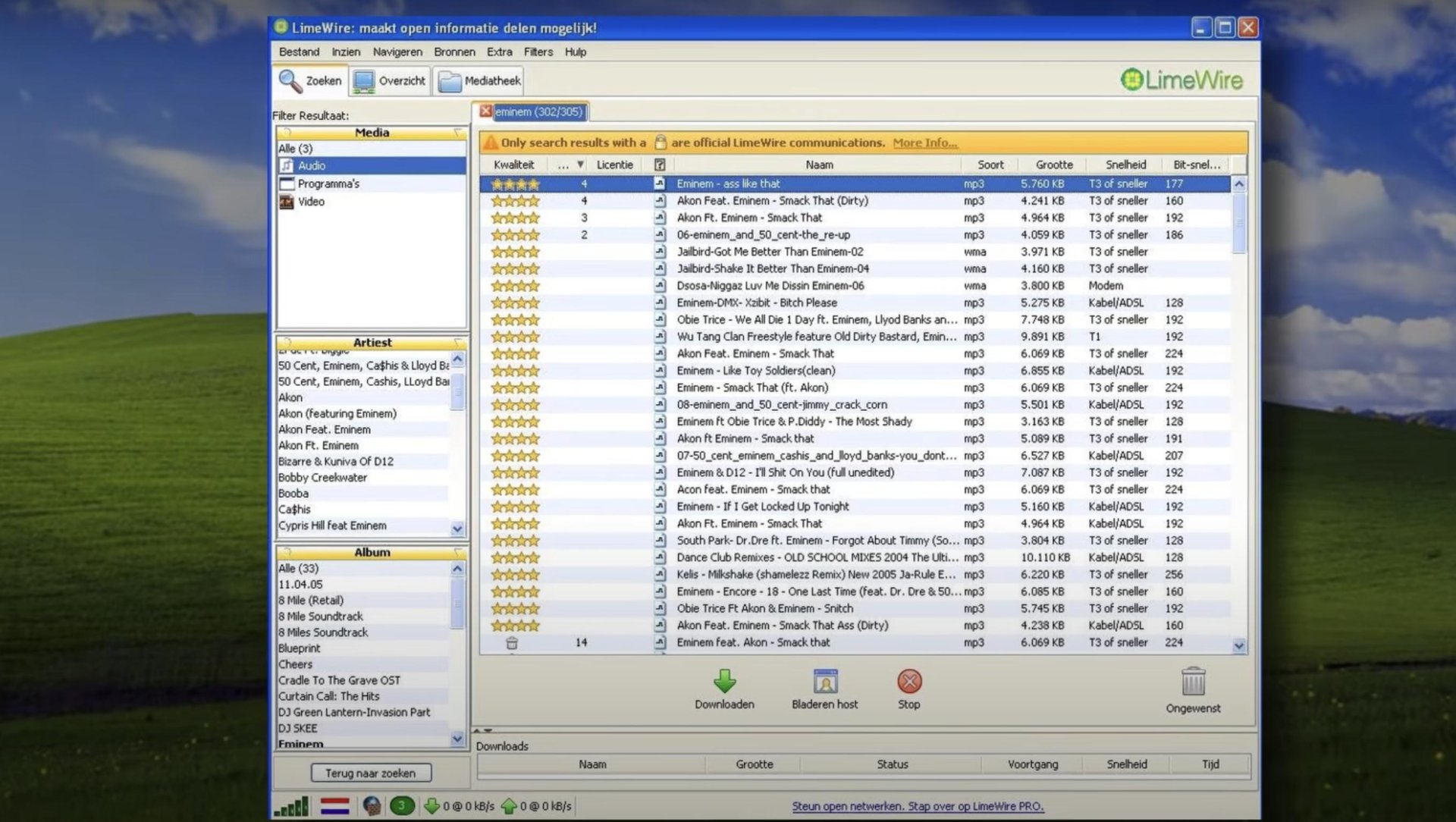
🎵 Was It Actually the Song? Who Knows.
Downloading music in the early 2000s could feel like opening a mystery box.
You thought you were getting your favorite song.
You waited.
And waited.
And waited some more.
Then the download finally finished...
You pressed play...
And
THIS WAS NOT THE SONG. 😭
Sometimes the title was wrong. Sometimes the audio sounded terrible. Sometimes you had absolutely no idea what you had just downloaded.
And yet...
We'd go right back and try another file. 😂
⏳ Downloading ONE Song Could Be an Evening Activity
Today, you can search for a song and start listening almost instantly.
Back then, downloading music could require an unreasonable amount of commitment.
You'd start the download.
12%...
Go eat.
Come back.
28%...
Watch TV.
Come back again.
51%...
At that point, you were emotionally invested. 😂
And if the internet disconnected before it finished?
PAIN.
🦠 And Then the Computer Started Acting... Different
Let's just say early file-sharing programs weren't exactly known for making parents happy.
Suddenly the family computer was moving suspiciously slow.
Random pop-ups were appearing.
Something strange was happening every time it turned on.
And nobody knew why.
Meanwhile, you're sitting there completely innocent like:
“That's weird...” 👀
Knowing good and well you downloaded 14 questionable files the night before. 😂
LimeWire and similar file-sharing services also came with very real copyright and security problems, which is part of why this era looks so wild in hindsight.
We were basically clicking first and asking questions later.
💿 But Getting the Song Was Only Step One...
Because once you finally collected enough songs, you had something even more important to do:
MAKE A CD.
Not just any CD either.
A carefully curated masterpiece.
The songs had to be in the right order.
The opening track had to HIT.
And you couldn't waste valuable disc space on a song you only kind of liked.
Because before playlists lived in the cloud...
We had blank CDs, a Sharpie and a dream. 😂💿
And that brings us to the next era of 2000s technology nostalgia:
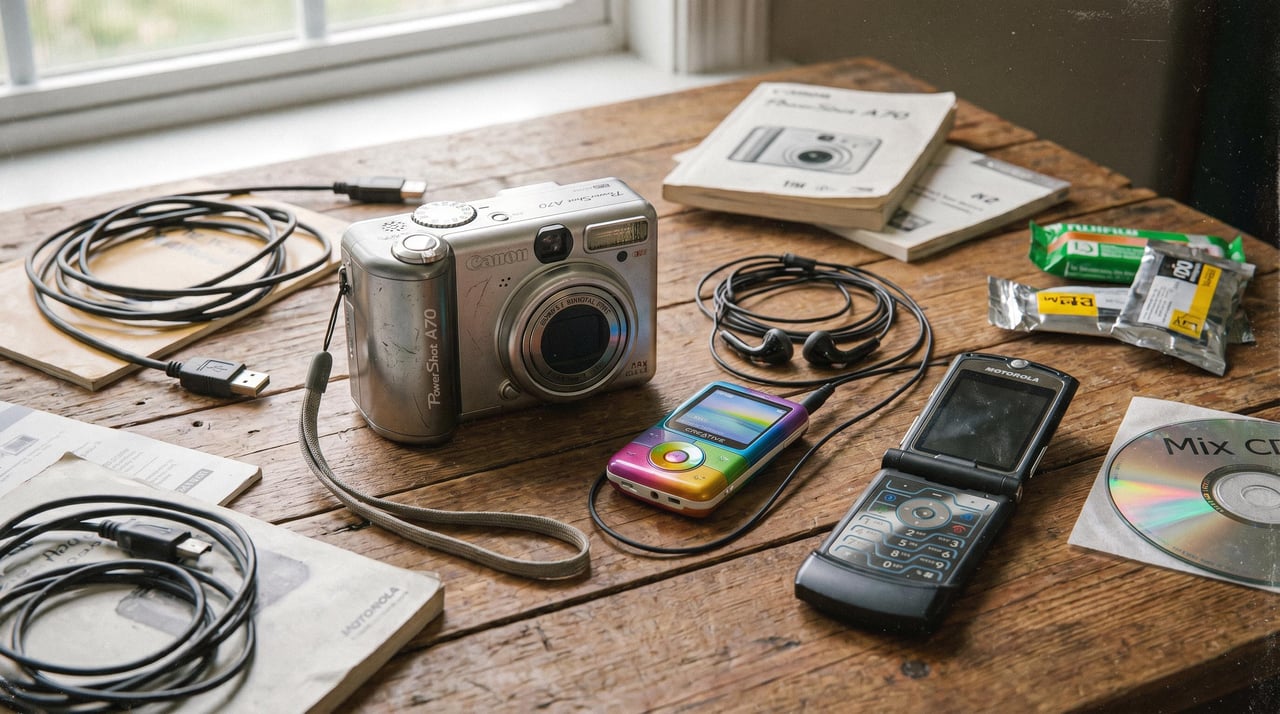
Burning CDs, MP3 players, custom ringtones and digital cameras.
Burning CDs Was an Art Form 💿🎧
Before Spotify playlists could have 300 songs, we had something much more serious:
A blank CD with limited space. 😂
And every song had to earn its spot.
Making a burned CD wasn't just throwing random music together. You had to think about the order, the mood and which songs deserved precious space.
Skip-worthy songs?
Absolutely not.
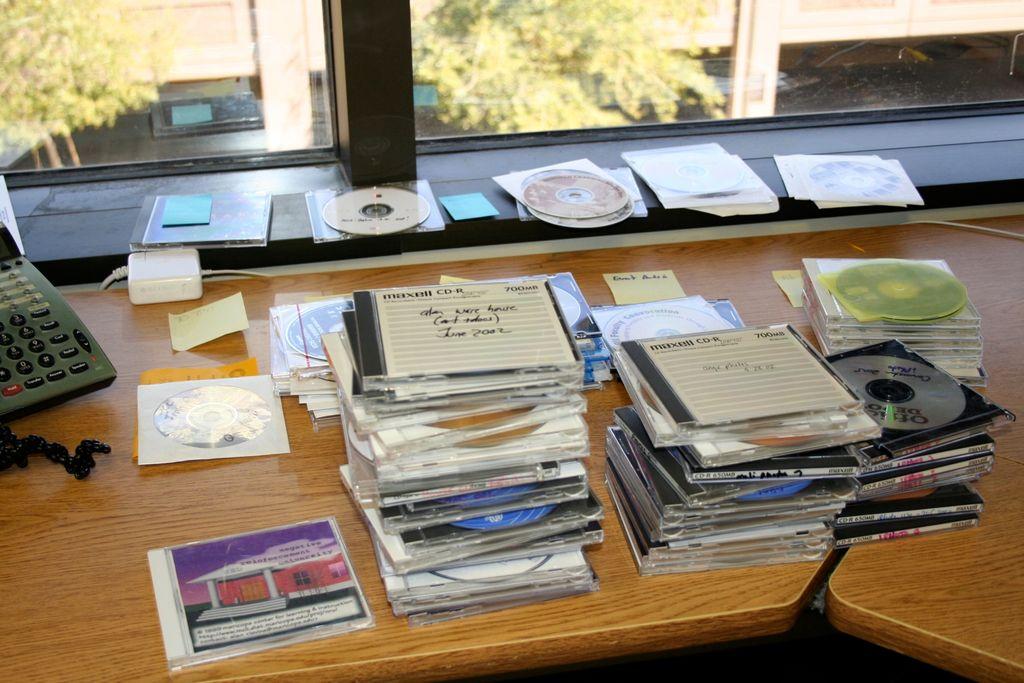
💿 The Track List Had to Be PERFECT
You needed a strong opening song.
A few songs everybody knew.
Maybe one slow song.
And obviously your current favorite that you were going to play until you couldn't stand it anymore. 😂
Then came the moment of truth:
BURN DISC.
Now you waited.
Because touching anything on that computer suddenly felt dangerous.
One wrong move and you were convinced you'd ruin the entire CD. 😭
Once it finished?
Out came the Sharpie.
“SUMMER MIX 🔥”
“SLOW JAMS ❤️”
“DO NOT TOUCH!!!”
No cover art. No fancy graphics.
Just handwriting and vibes. 😂
🎧 Then Everybody Needed an MP3 Player
Eventually, carrying CDs everywhere started feeling ancient because suddenly we could put hundreds of songs in our pocket.
MP3 players were a GAME CHANGER.
And when the iPod era really took off?
Having your entire music collection with you felt futuristic.
The only problem was organizing it.
You'd have:
Artist: Unknown
Album: Unknown
Track: Track 07
And somehow...
you knew EXACTLY what song it was. 😂
📱 And Ringtones Were Basically Personality Tests
Today, most phones stay on silent.
Back then?
Your phone needed an entrance song. 😂
People actually paid money for custom ringtones so a tiny section of their favorite song could blast every time somebody called.
And if you had different ringtones for different people?
Elite behavior.
You could know who was calling without even looking at the phone.
Then there were ringback tones, because apparently your caller also needed entertainment while waiting for you to answer. 😭
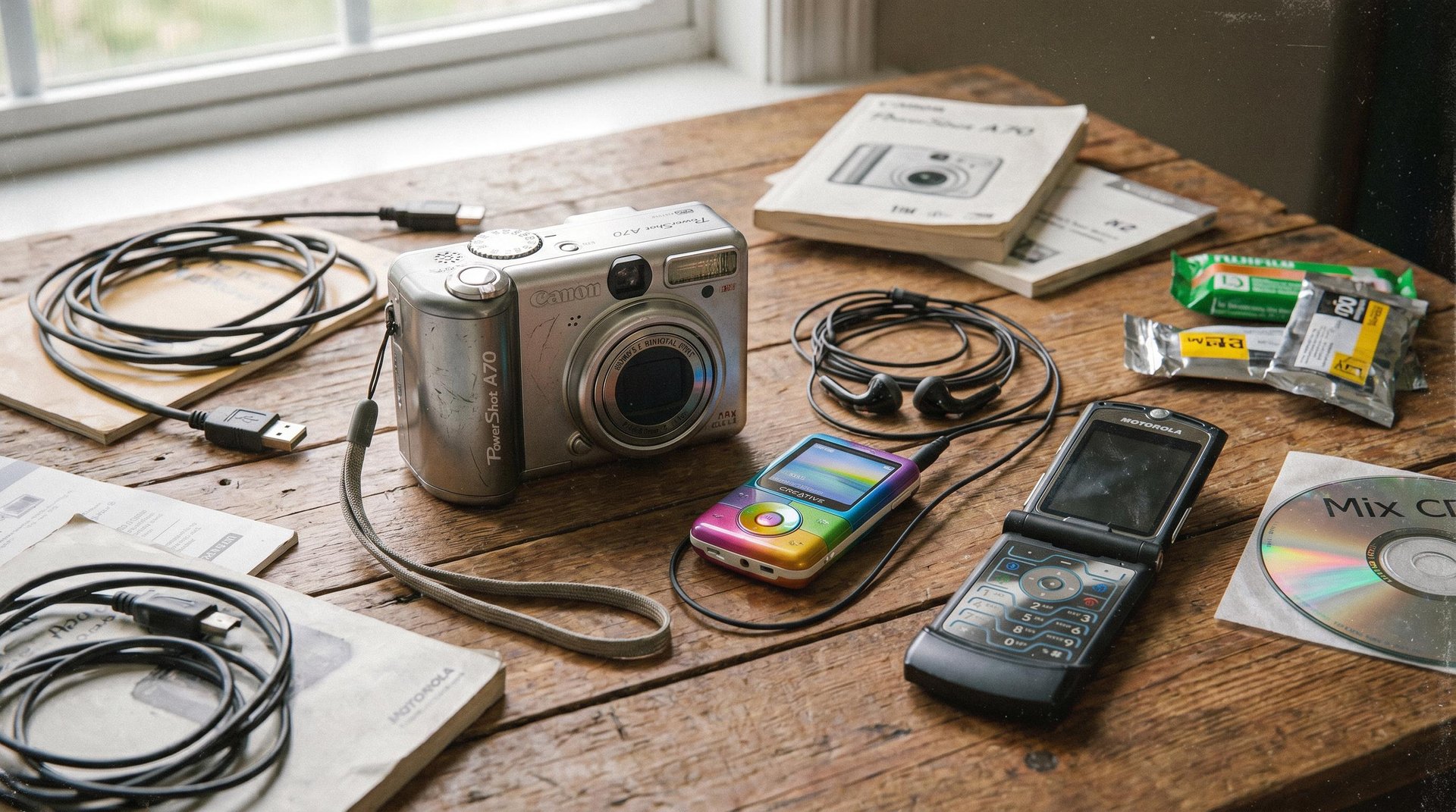
📸 Digital Cameras Had Us Taking 87 Pictures in One Night
Before every phone had a high-quality camera, going somewhere meant somebody needed to bring the digital camera.
And you couldn't immediately post the pictures.
Nope.
You took them all night.
Went home.
Found the little cord.
Connected the camera to the computer.
Transferred everything.
And THEN discovered that half the pictures were blurry. 😂
But the good ones?
Those were getting uploaded.
Every.
Single.
One.
No carefully selected 10-photo carousel.
You were getting an entire album.
143 PHOTOS.
Enjoy. 💀
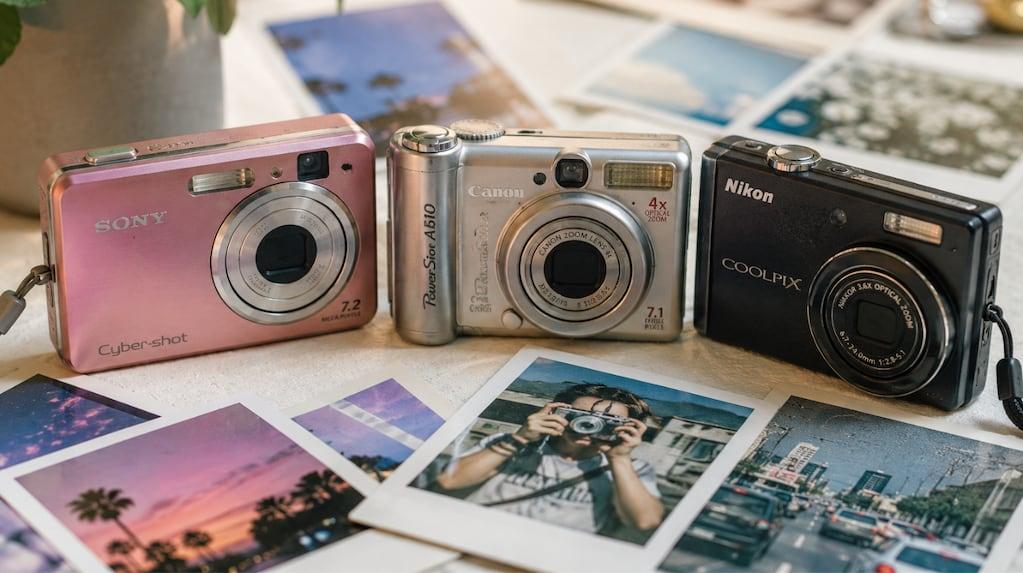
And somehow those blurry, flash-heavy pictures captured the era perfectly.
The early internet wasn't polished.
It wasn't perfectly curated.
Sometimes it wasn't even particularly good.
But it was FUN.
And the deeper you go into 2000s internet nostalgia, the more you remember just how weird things actually got.
Because next we're talking about chain emails, Ask Jeeves, Yahoo!, early YouTube and the random corners of the internet we somehow spent hours exploring.
And yes...
somebody's chain email definitely threatened you with seven years of bad luck. 😂💻
The Internet Was WEIRD... and We Loved It 😂💻
Before algorithms decided what you should watch next, the internet was basically:
“I have no idea how I got to this website... but I've been here for 45 minutes.” 😂
There wasn't always an endless feed waiting for you.
Sometimes you actually had to look for something to do online.
And somehow, we ALWAYS found something.
📧 Chain Emails Had Us STRESSED
You'd open your email and see:
“SEND THIS TO 10 PEOPLE IN THE NEXT 5 MINUTES.”
And then came the threat.
Don't forward it?
Bad luck.
Your crush wouldn't like you.
Something creepy would happen at midnight.
Basically...
YOUR ENTIRE FUTURE WAS ON THE LINE. 😭
Did we believe it?
Probably not.
Did we forward it anyway?
...maybe. 👀😂
🔎 Before We Said “Google It”...
There was Ask Jeeves.
You had a question?
Ask Jeeves.
Why is the sky blue?
Ask Jeeves.
What does this song lyric mean?
Ask Jeeves.
Some completely random question that entered your mind at 11:47 p.m.?
JEEVES, GET IN HERE. 😂
Yahoo! was another major part of the early internet, with search, email, news, games and seemingly everything else packed onto one homepage.
Opening a browser felt less like entering a perfectly personalized feed and more like:
“Okay... where should I go today?”
🎥 Early YouTube Was a Different Planet
Before highly produced videos, sponsorships and everyone asking you to like, subscribe and turn on notifications...
YouTube was wonderfully random.
Somebody uploaded a blurry video filmed in their bedroom.
Another person posted their pet doing something ridiculous.
Then one completely random clip went viral and suddenly everyone at school or work knew exactly what you were talking about.
Production quality?
Questionable.
Entertainment value?
10/10. 😂
🎮 Random Websites Could Keep You Busy for HOURS
Games.
Quizzes.
Forums.
Flash animations.
Celebrity gossip.
Personality tests.
Fan pages.
Random blogs.
Websites that looked like they hadn't been redesigned since the day the internet was invented.
We clicked EVERYTHING. 💀
You could start out searching for song lyrics and somehow end up taking a quiz titled:
“WHAT TYPE OF POTATO ARE YOU?”
And obviously...
you needed the answer. 😂
🖥️ There Was Something Fun About Not Knowing What You'd Find
Today's internet is extremely personalized.
Watch one cooking video and suddenly your entire feed thinks you're opening a restaurant.
Look at one vacation and now you're getting resort videos for two weeks. 😂
The old internet felt different.
It was messy.
Random.
Sometimes confusing.
Occasionally questionable.
But exploring it actually felt like exploring.
You didn't always know what the next click would bring.
And while all of this early internet chaos was happening across the country, something pretty important had already happened right here in Tampa Bay.
Long before Wi-Fi was everywhere...
Tampa was getting connected. 🌴💻
Tampa Was Getting Online Before Most of Us Knew What That Meant 🌴💻
While most of us remember the internet through dial-up, AOL screen names and painfully slow downloads, Tampa's connection to the internet actually goes back further than you might think.
🌐 Tampa Was Connecting to the Internet in 1989
According to the University of South Florida, USF introduced internet connectivity to Tampa on May 3, 1989, connecting its Computer Science and Engineering and Electrical Engineering departments to the early internet.
Yep...
1989. 👀
That was before MySpace.
Before Google.
Before YouTube.
Before smartphones.
And WAY before anybody was arguing about who deserved the #1 spot in their Top 8. 😂
USF also notes that many people throughout the Tampa Bay area got their first exposure to the internet as students at the university.
So, while the internet may feel like something that suddenly appeared in everyone's homes during the dial-up era, Tampa was already becoming part of the connected world years earlier.
💻 Now Look at Tampa Bay
Fast-forward to today and it's almost impossible to imagine experiencing Tampa without the internet somewhere in the background.
We're checking restaurant menus before heading out.
Buying tickets from our phones.
Pulling up directions.
Finding events.
Making reservations.
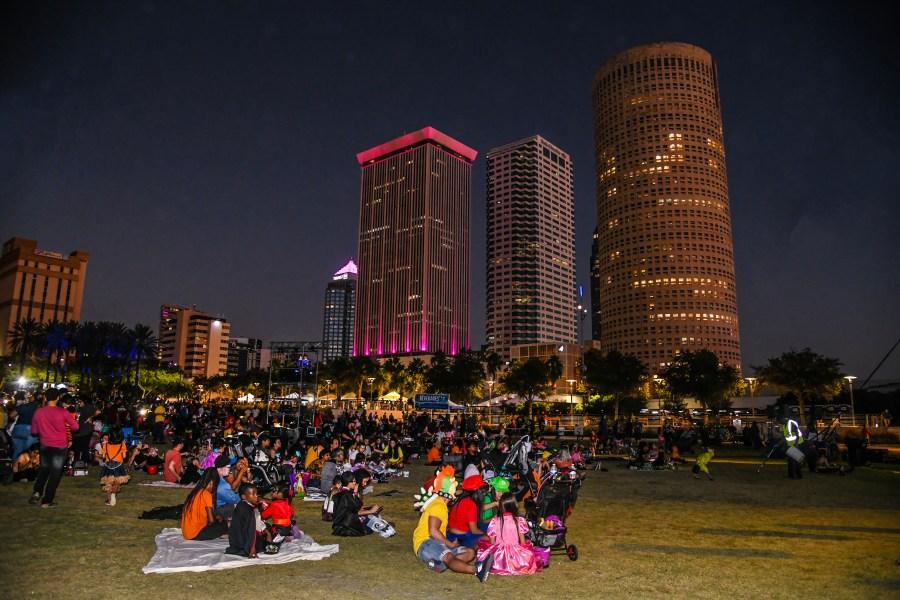
Posting pictures from the Tampa Riverwalk.
Looking up what to do in Ybor City.
And probably checking reviews before trying somewhere new. 😂
The internet went from something you had to sit down at a computer to access to something woven into everyday life.
That's a pretty wild transformation in just a few decades.
And it's part of why looking back at early internet nostalgia feels so strange.
The technology didn't just get faster.
Our relationship with it completely changed.
Because somewhere between dial-up and smartphones, we stopped saying:
“I'm going online.”
We were just...
always online. 📱👀
And that raises a bigger question:
When did the internet stop being somewhere we went... and become something we carry everywhere?
That's where things really started to change.
When “Going Online” Turned Into Being Online 24/7 📱👀
There used to be a very specific moment when you got on the internet.
You sat down at the family computer.
You clicked the AOL icon.
You listened to the dial-up noises.
And if somebody needed the phone?
Your internet session was OVER. 😂
Today, there really isn't an “online” and “offline” anymore.
The internet is just... there.
📶 Wi-Fi Changed Everything
Once Wi-Fi became common in homes, suddenly the internet wasn't trapped inside one computer sitting in the corner of the house.
You could use a laptop from the couch.
Someone else could be online at the same time.
And most importantly...
Nobody had to yell, “GET OFF THE INTERNET, I NEED THE PHONE!” anymore. 😂
That alone felt revolutionary.
But Wi-Fi was only the beginning.
📱 Then the Internet Left the House With Us
Smartphones completely changed our relationship with the internet.
Instead of waiting until we got home to check something, we could suddenly do it right now.
Need directions?
Pull out your phone.
Want to know where to eat?
Pull out your phone.
Forgot the name of that song that's been stuck in your head for three days?
Pull. Out. Your. Phone. 😂
Slowly, the internet stopped being something we used occasionally and became the tool we used for practically everything.
💬 Social Media Changed the Internet Again
Then came another major shift.
Social media stopped being something you checked when you happened to be on the computer.
It started following us everywhere.
Facebook became an app.
Twitter was in your pocket.
Instagram arrived.
Notifications started popping up.
Photos could be uploaded immediately instead of waiting until you got home, connecting your digital camera and uploading an entire album called:
“Weekendddd :)” 😂
And somewhere along the way, waiting until you got home to tell everybody what happened started feeling almost ancient.
😂 We Used to Log Off
That's probably one of the biggest differences between the internet before social media and the internet we know today.
We actually logged off.
When you shut down the computer, the internet stayed behind.
There weren't notifications following you around.
Nobody expected an immediate response because they could see you were active three minutes ago.
And you weren't casually checking five different apps while standing in line at the grocery store.
The early internet could definitely be chaotic.
But it also had something today's internet rarely gives us:
a stopping point.
Now the internet wakes up with us, rides in the car with us, sits beside us at dinner and is probably within arm's reach while we're sleeping.
Which makes looking back at the dial-up era even funnier.
We spent years begging the internet to get faster.
And eventually?
It got so fast that we never really left it. 👀📱
So… Was the Internet Actually Better Back Then? 😂💻
It's easy to look back at the internet before social media and think everything was simpler.
No endless scrolling.
No notifications every five seconds.
No pressure to post everything you're doing.
No waking up and immediately checking what happened online while you were asleep.
But let's not get too nostalgic. 😂
We also had websites that took forever to load, videos that buffered every three seconds and downloads that could take hours just to fail at 98%.
So was the old internet actually better?
Maybe not better. Just different.
💿 The Internet Used to Feel Like an Event
Back then, getting online was something you intentionally did.
You logged on.
Checked AIM.
Changed your away message.
Visited a few websites.
Maybe rearranged your MySpace page for absolutely no reason.
Then eventually...
you logged off.
There was something exciting about hearing that dial-up connection because it meant you were officially entering this completely different world.
Today, we barely notice when we're online because we're almost always connected.
📱 We Gained A LOT
To be fair, today's internet is incredible.
We can video call someone across the world.
Order dinner without making a phone call.
Stream almost any song instantly.
Find directions in seconds.
Work from practically anywhere.
Tour homes online.
Search neighborhoods.
Compare restaurants.
Buy tickets.
Learn something new at 2 a.m. because one random question suddenly sent us down a three-hour rabbit hole. 😂
Things that once would've sounded futuristic are now completely normal.
👀 But We Lost a Little Something Too
Maybe what people miss about the early internet isn't actually dial-up or MySpace.
Maybe it's the feeling that came with them.
The internet still felt new.
Everything felt like a discovery.
AIM conversations felt important.
Finding the perfect song for your MySpace profile was a serious decision.
Burning somebody a CD actually meant something.
And somehow, even though the technology was slower...
life online sometimes felt a little less rushed.
🌴 From Dial-Up to Life in Tampa Bay Today
Here in Tampa Bay, we've gone from USF helping bring early internet connectivity to the area in 1989 to living in a world where practically everything around us has a digital connection.
We search for homes from our phones.
Explore neighborhoods online.
Check out restaurants before making reservations.
Find weekend events in seconds.
And sometimes discover an entire part of Tampa Bay simply because we saw it online first.
At Frank Albert Realty, we see that shift in real estate too. Home searches often begin long before someone ever steps through a front door.
But even with virtual tours, online listings and endless information at our fingertips, some things still feel better in real life.
Walking through a neighborhood.
Seeing a home for yourself.
Finding a local spot you didn't discover from an algorithm.
Actually experiencing the place you might eventually call home. Contact us today!
Technology can help you find it.
But real life is still where the good part happens. 🌴🏡
So, here's one final question:
If somebody handed you a computer running Windows XP, gave you an AIM screen name, opened MySpace and told you that your smartphone was disappearing for the weekend...
How long are you lasting? 😂💻📱