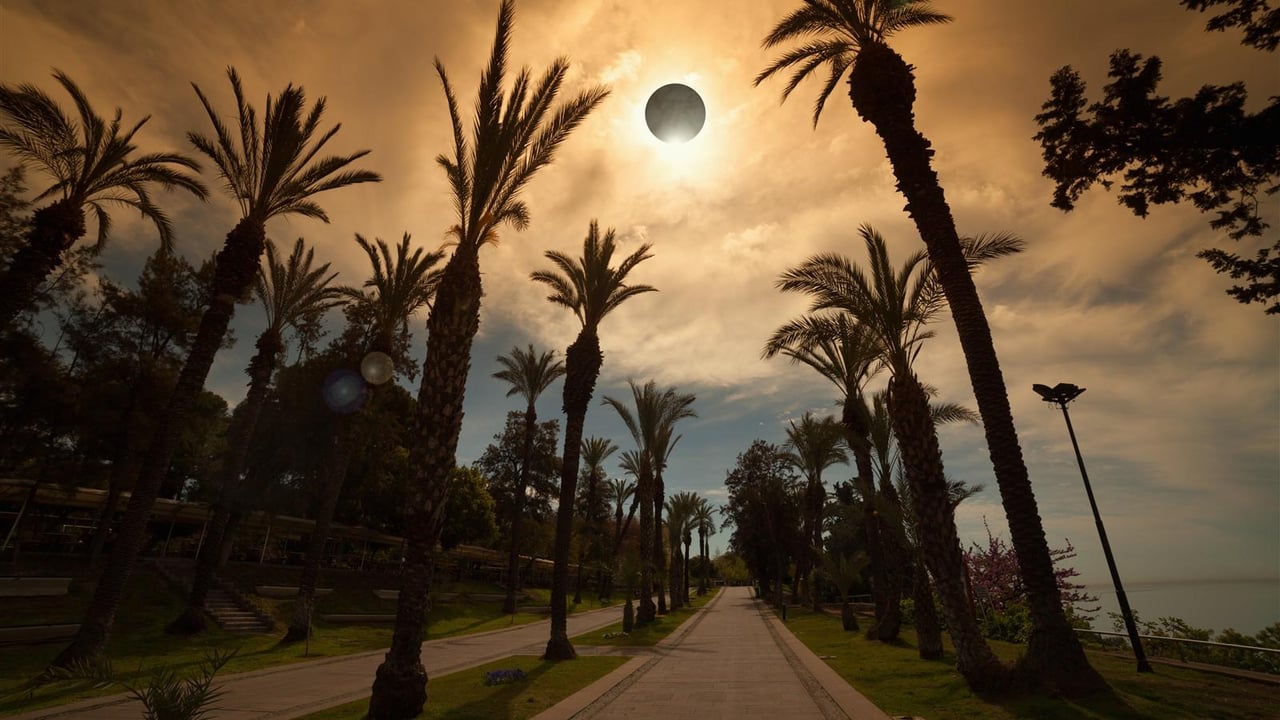
Florida Eclipses & Sky Events: What to Watch for Next
Solar Eclipses, Lunar Eclipses & Celestial Events Worth Looking Up for in Florida
Imagine stepping outside, looking up and realizing the sky is doing something very different than it was five minutes ago. The Moon looks strange. The light feels different. And suddenly everybody is asking the same question:
“WAIT… is there an eclipse tonight?!” 😂🌑
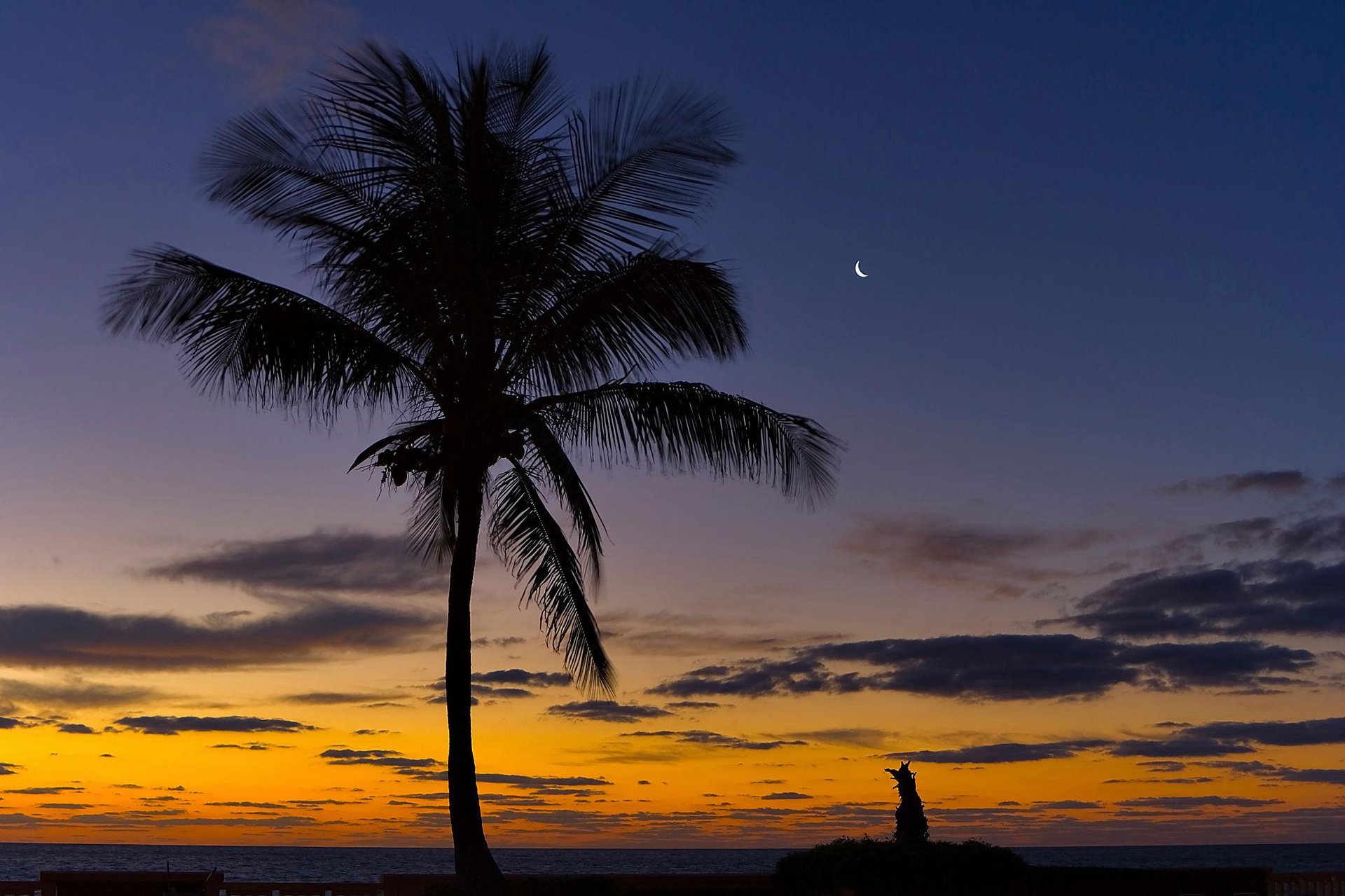
Florida may be famous for sunshine, beaches and palm trees, but some of the best views happen when you look up instead of out. From solar and lunar eclipses to meteor showers, glowing moons and other celestial events, there are plenty of reasons to keep an eye on the Florida sky.
And here in Tampa Bay, you don't necessarily need to be an astronomy expert with a giant telescope to enjoy them. Sometimes it's as simple as knowing when to step outside, where to look and what you're actually looking at.
🌙 So, When Is the Next Eclipse Visible in Florida?
The next eclipse visible from Florida is a penumbral lunar eclipse on February 20, 2027. In Tampa, the Moon will rise while the eclipse is already underway, giving local viewers a chance to catch part of the event that evening.
And that's only the beginning.
We're breaking down:
- 🌑 Upcoming eclipses visible from Florida
- ☀️ The difference between a solar and lunar eclipse
- 🔴 Why the Moon can sometimes appear red
- ☄️ Meteor showers and other Florida sky events
- 🌴 What Tampa Bay viewers should know before heading outside
- 👓 How to watch a solar eclipse safely
- 🔭 When Florida gets another major eclipse
At Frank Albert Realty, we talk about Tampa Bay living all the time, but every once in a while, the best part of living here isn't a new restaurant, neighborhood or waterfront hangout.
Sometimes you just have to look up. 🌙✨
Because the next time someone runs outside yelling, “THE SUN JUST DISAPPEARED!” you'll actually know what's going on. 😂
Okay... What Actually Is an Eclipse? 🌞🌎🌙
You’ve probably seen the photos: the Sun turns into a glowing ring, the Moon suddenly looks red, and everyone online starts posting “GO OUTSIDE RIGHT NOW!” 😂
But what is actually happening up there?
An eclipse happens when the Sun, Moon and Earth line up in just the right way, causing one object to block the light from another or move through its shadow. There are two main types we hear about most: solar eclipses and lunar eclipses.
And yes, they are very different.
☀️ Solar Eclipse: When the Moon Gets in the Way
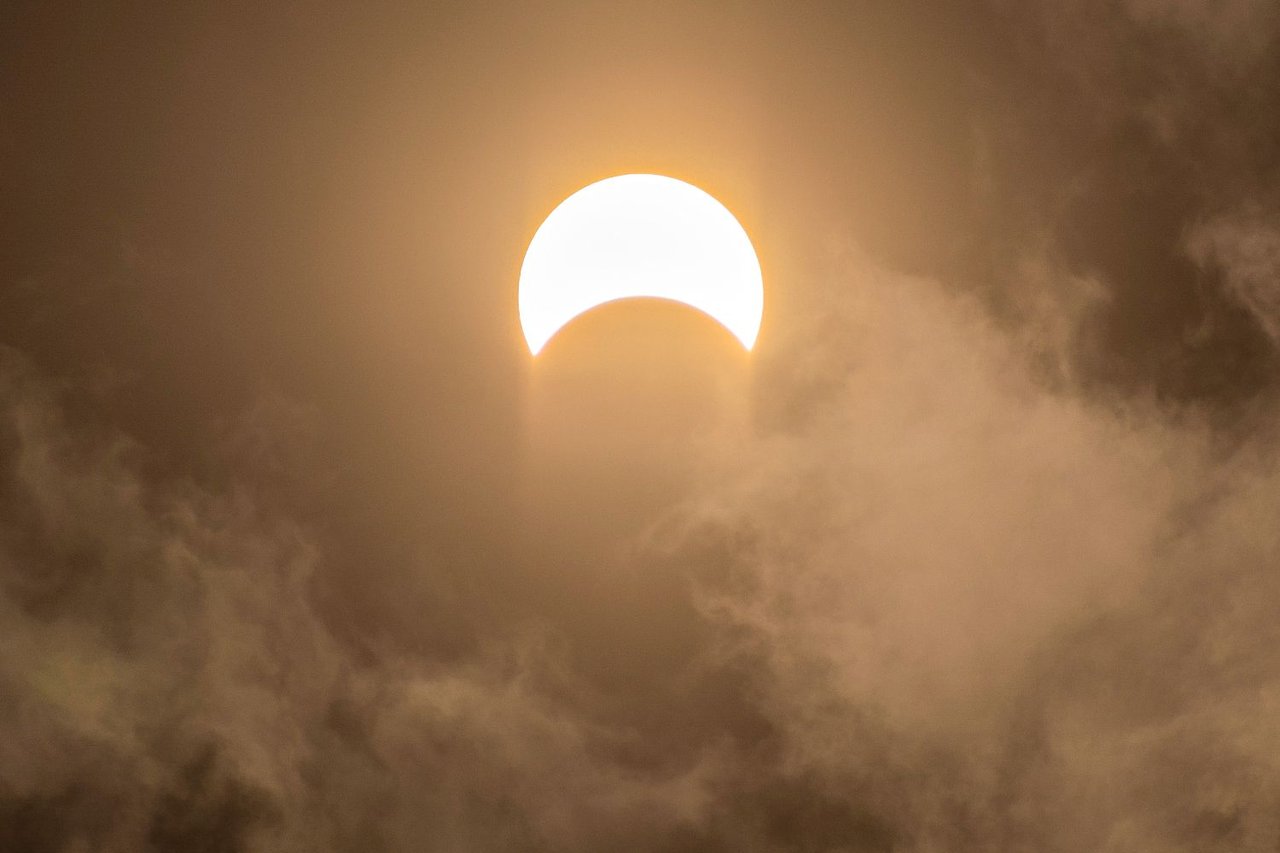
A solar eclipse happens when the Moon passes between Earth and the Sun, temporarily blocking some or all of the Sun from view.
Depending on where you are, you could experience:
- 🌑 Total solar eclipse: The Moon completely covers the Sun.
- 🌗 Partial solar eclipse: Only part of the Sun is covered.
- 💍 Annular solar eclipse: The Moon appears slightly smaller than the Sun, leaving that famous glowing “ring of fire.”
The catch? You have to be in the right location to see the best part. Someone hundreds of miles away could have a completely different view of the same eclipse.
🌕 Lunar Eclipse: When Earth Gets in the Way
A lunar eclipse flips the situation around.
This time, Earth passes between the Sun and the Moon, causing Earth's shadow to fall across the Moon.
There are three main types:
- 🔴 Total lunar eclipse: The entire Moon enters Earth's darkest shadow and can take on a reddish-orange color.
- 🌗 Partial lunar eclipse: Only part of the Moon enters Earth's darkest shadow.
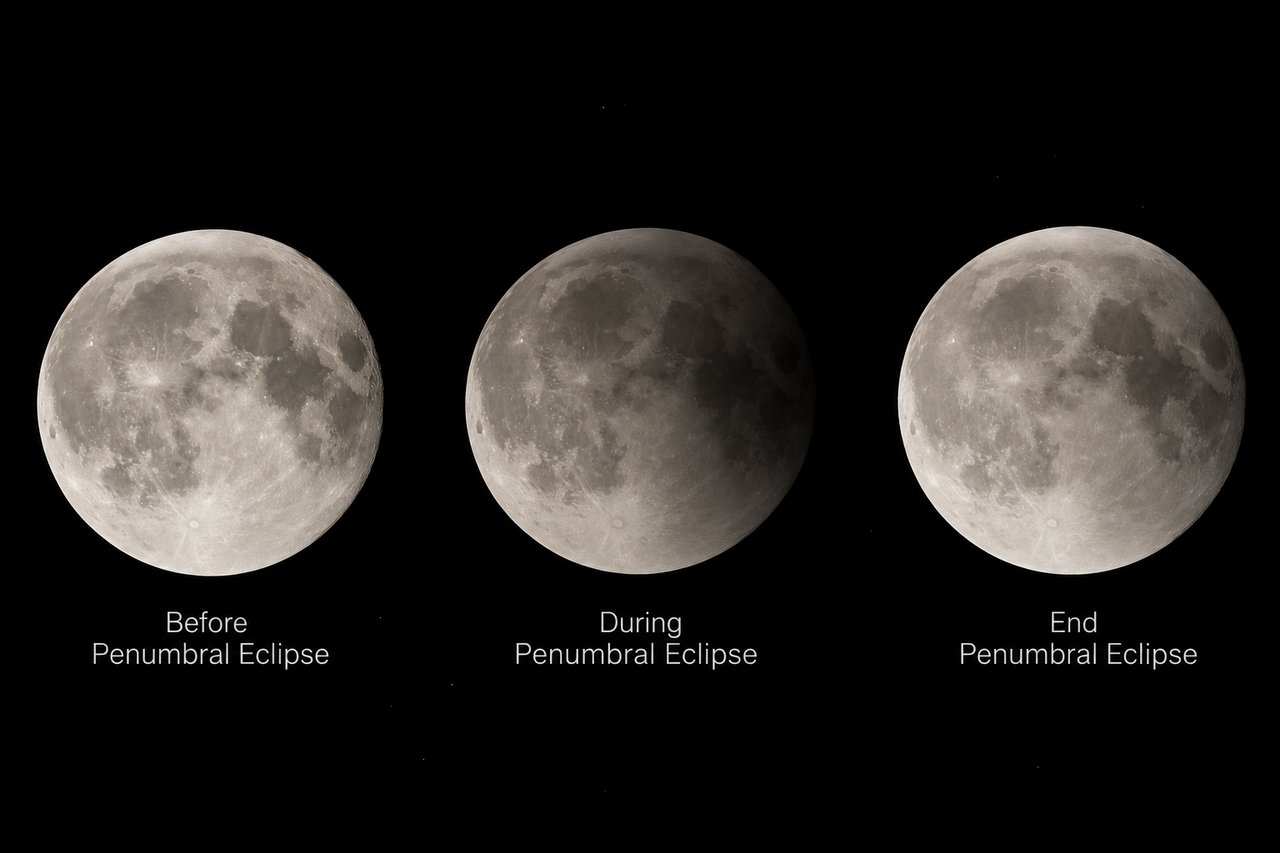
- 🌫️ Penumbral lunar eclipse: The Moon passes through Earth's lighter outer shadow, creating a much more subtle dimming.
That last one is important because Florida's next visible eclipse in February 2027 is penumbral, so don't expect the Moon to suddenly disappear or turn bright red. The change can be subtle enough that you might have to look closely to notice it.
Solar vs. Lunar Eclipse in 10 Seconds 👀
Think of it this way:
Solar eclipse: 🌞 → 🌙 → 🌎
The Moon blocks the Sun from our view.
Lunar eclipse: 🌞 → 🌎 → 🌕
Earth's shadow falls on the Moon.
That's basically the cosmic version of somebody standing directly in front of the TV during the best part. 😂
But here's where things get interesting for Florida: not every eclipse happening somewhere in the world is visible from Tampa Bay. Your location, the timing of the eclipse and even whether the Sun or Moon is above the horizon all determine what you'll actually see.
And that brings us to the question we're really here for:
When is the next eclipse Florida can actually see? 👀🌑
When Is the Next Eclipse Florida Can Actually See? 👀🌑
Okay, now for the part everybody really wants to know: when do we actually need to look up?
Florida has several eclipses coming over the next few years, but the next eclipse visible in Florida happens on February 20, 2027, and Tampa Bay gets a piece of the action. 🌙
🌙 February 20, 2027: Penumbral Lunar Eclipse
Mark your calendar for Saturday, February 20, 2027.
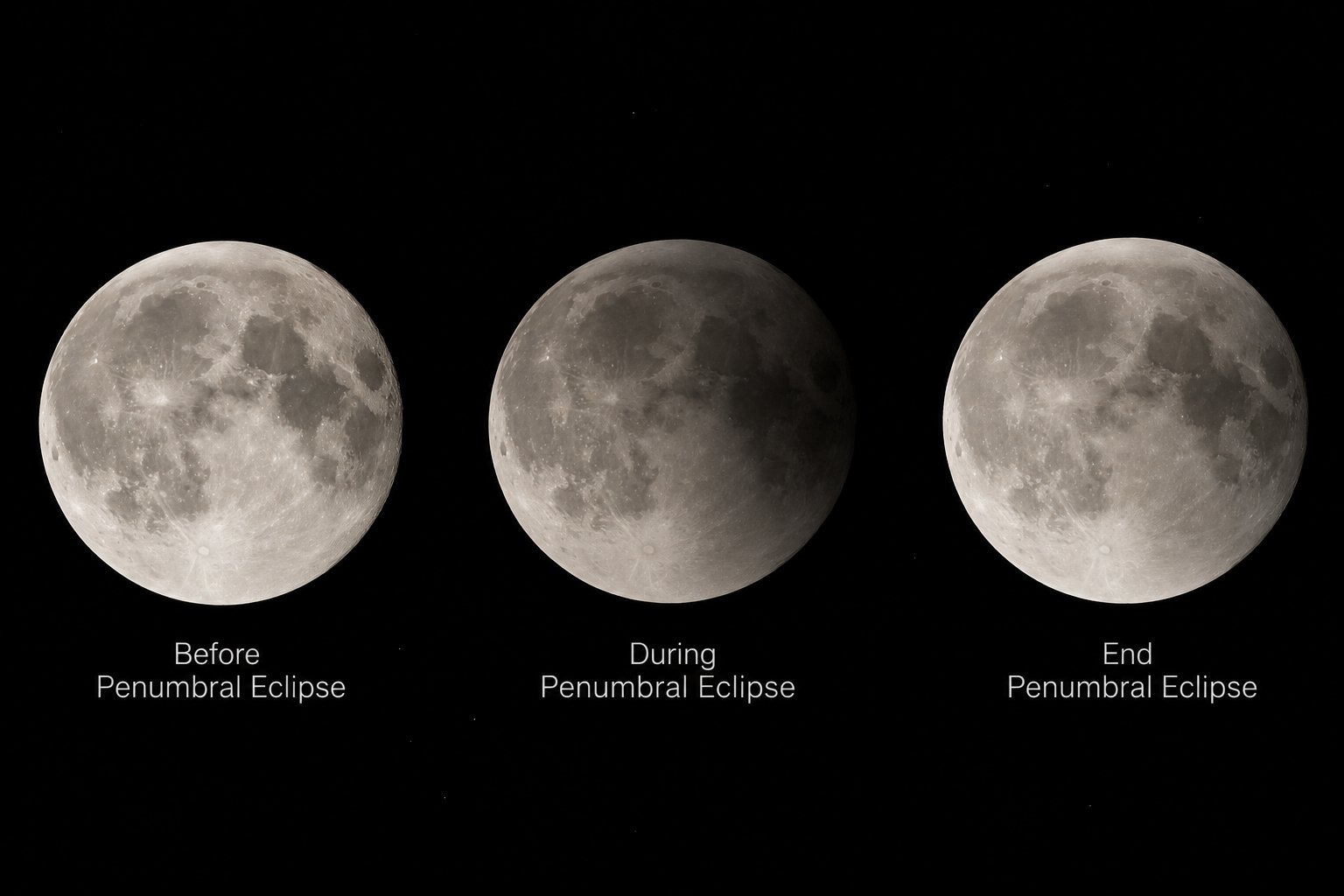
A penumbral lunar eclipse will occur that evening, meaning the Moon passes through the lighter outer portion of Earth's shadow. Unlike a total lunar eclipse, the Moon won't disappear or suddenly turn bright red. Instead, expect a subtle darkening or shading across the Moon. Time and Date
There's one little catch for Tampa Bay.
The eclipse actually begins while the Moon is below Tampa's horizon. The Moon rises at about 6:21 p.m., and the best local view occurs just minutes later, around 6:24 p.m. The penumbral eclipse ends at approximately 8:13 p.m. EST.
Tampa Bay quick look 👀
- 📅 Date: February 20, 2027
- 🌙 Type: Penumbral lunar eclipse
- 🌅 Moonrise: Around 6:21 p.m.
- 👀 Best local view: Around 6:24 p.m.
- ⏰ Ends: Around 8:13 p.m.
- 🧭 Where to look: Toward the eastern horizon around moonrise Time and Date
Because the Moon will be extremely low on the horizon when it rises, an open, unobstructed view toward the east will matter. Buildings, trees and other obstructions could easily block those first few minutes.
And don't expect movie-level drama. 😂 Penumbral eclipses can be difficult to notice because Earth's darkest shadow never crosses the Moon. Think “Why does the Moon look a little weird tonight?” rather than “THE MOON IS DISAPPEARING!”
🌙 August 17, 2027: Florida Gets Another One
Didn't notice much in February? You've got another chance.
On Tuesday, August 17, 2027, Tampa Bay will experience another penumbral lunar eclipse, and this one happens in the middle of the night.
It begins around 1:24 a.m., reaches maximum eclipse at approximately 3:13 a.m., and ends around 5:03 a.m. local time. Time and Date
So yes, you'll need to make a decision:
Is seeing an eclipse worth setting a 3 a.m. alarm? 😂🌙
For the sky lovers, absolutely.
But What About the BIG Solar Eclipse? ☀️🌑
Here's where eclipse headlines can get confusing.
You might hear about a spectacular solar eclipse happening somewhere in the world and assume Florida will see the same thing. That's not necessarily true. Eclipse visibility depends heavily on your exact location.
For Tampa Bay, the upcoming eclipse calendar includes the two 2027 penumbral lunar eclipses, followed by a partial lunar eclipse in January 2028 and a partial solar eclipse later that same month.
So before you buy eclipse glasses, cancel your plans and drag everybody outside...
Check whether the eclipse is actually visible from Florida first. 😂
And if you're waiting for one of those dramatic moments when the Moon turns an eerie shade of red, that's a completely different kind of eclipse.
Which raises another question: why does the Moon turn RED in the first place? 🔴🌕
Wait… Why Does the Moon Turn RED?! 🔴🌕
If you've ever seen a photo of a Blood Moon, you already know it looks a little dramatic. 😂 One minute it's a normal full Moon, and the next it looks like someone turned the sky's saturation all the way up.
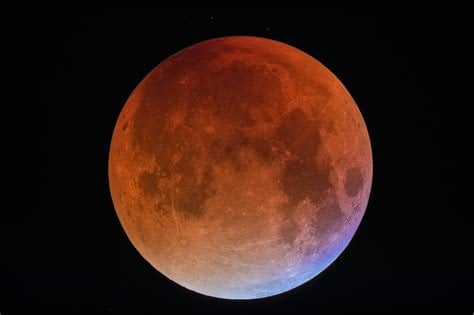
But despite the spooky nickname, a Blood Moon isn't anything mysterious or dangerous. It's what can happen during a total lunar eclipse when Earth moves directly between the Sun and the Moon.
🌎 Earth Is Basically Creating a Giant Shadow
During a total lunar eclipse, the Moon moves into the darkest part of Earth's shadow, called the umbra.
You might think that would make the Moon completely black.
Instead, some sunlight travels through Earth's atmosphere before reaching the Moon. Our atmosphere scatters much of the shorter blue light while allowing more red and orange wavelengths to continue through. That reddish light gets bent toward the Moon, giving it that famous copper, orange or deep-red appearance.
It's actually similar to the reason we get those gorgeous red and orange Florida sunsets. 🌅
So while you're looking at a Blood Moon from Tampa Bay, you're essentially seeing sunlight that has traveled through Earth's atmosphere before reaching the lunar surface.
Pretty wild when you think about it. 👀
🌕 Does Every Lunar Eclipse Turn the Moon Red?
Nope, and this is where people sometimes get disappointed. 😂
There are three different types of lunar eclipses, and they don't all put on the same show:
- 🔴 Total lunar eclipse: The entire Moon enters Earth's umbra and can appear red, orange or copper.
- 🌓 Partial lunar eclipse: Only part of the Moon enters the umbra, making it look like a dark shadow is taking a bite out of it.
- 🌫️ Penumbral lunar eclipse: The Moon passes through Earth's lighter outer shadow, usually causing a much subtler dimming.
Remember that February 20, 2027 eclipse we just talked about? That's a penumbral lunar eclipse, so Florida viewers should not expect a dramatic Blood Moon that night.
It's more:
“Does the Moon look slightly darker to you?” 👀
and less:
“WHY IS THE MOON RED?! EVERYBODY GET OUTSIDE!” 😂🔴🌕
🌅 Can a Blood Moon Look Different Each Time?
Yes. The exact shade during a total lunar eclipse can vary. Atmospheric conditions can influence whether the Moon appears bright orange, copper, brick red or considerably darker.
That's part of what makes these events so fun to watch. You know the science behind what's happening, but you don't necessarily know exactly what the Moon will look like until the eclipse unfolds.
And unlike a solar eclipse, you don't need special eclipse glasses to watch a lunar eclipse. You can safely view one with your eyes, binoculars or a telescope.
So when Florida eventually gets another good view of a dramatic total lunar eclipse, you'll know why everyone is outside staring at a giant reddish Moon. 😂🌴🌕
But now we need to settle another question:
Solar eclipse vs. lunar eclipse… which one can you actually look at safely? 👀☀️
Solar vs. Lunar Eclipse: Which One Can You Actually Look At? 👀☀️
Okay, because apparently this needs to be said before curiosity gets the best of us:
Please do not stare directly at the Sun. 😭☀️
Solar and lunar eclipses may both involve the Sun, Earth and Moon lining up, but when it comes to watching them, the safety rules are very different.
🌕 Lunar Eclipse? Look All You Want
Good news! A lunar eclipse is safe to watch with your naked eyes.
During a lunar eclipse, you're looking at the Moon, not directly at the Sun. That means you can step outside, look up and enjoy the entire event without special eclipse glasses.
Want a closer look? You can also use:
- 👀 Your eyes
- 🔭 A telescope
- 🔎 Binoculars
- 📷 A camera with the appropriate setup
So when the February 20, 2027 lunar eclipse becomes visible from Florida, you don't need to panic-order eclipse glasses. 😂
☀️ Solar Eclipse? Completely Different Story
A solar eclipse requires proper eye protection during the partial phases.
According to NASA, looking directly at the Sun through regular sunglasses, camera lenses, binoculars or telescopes without the correct solar protection can cause severe eye injury.
And no, these don't count:
❌ Regular sunglasses
❌ Two pairs of sunglasses
❌ Looking really quickly 😂
❌ Your phone camera as a viewing shield
❌ Homemade filters
For direct viewing of the Sun during the partial phases of a solar eclipse, use safe solar viewers or eclipse glasses that comply with the ISO 12312-2 international standard, and follow the manufacturer's instructions.
👓 What About That Moment When the Sun Completely Disappears?
During a total solar eclipse, there is a brief period called totality, when the Moon completely blocks the Sun's bright surface.
Only people located inside the path of totality experience that phase. NASA says viewers may look without solar viewers only during the brief period when the Moon completely covers the Sun. The moment any bright part of the Sun reappears, proper solar protection needs to go right back on.
For a partial solar eclipse, there is no totality, so proper solar viewing protection is required throughout direct viewing.
🌑 The Easy Rule to Remember
Lunar eclipse? 🌕
Look at the Moon. You're good.
Solar eclipse? ☀️
Protect your eyes.
Not sure what kind of eclipse is happening?
Maybe don't gamble with your eyeballs. 😂
And while eclipses get most of the attention, they're definitely not the only reason Floridians should look up.
Because sometimes the sky decides to start throwing shooting stars into the mix. ☄️👀
It’s Not Just Eclipses… Florida’s Sky Likes to Show Off Too ✨🌌
Eclipses may get everybody running outside with their phones, but they’re far from the only thing happening above Florida.
On the right night, you could catch shooting stars, an unusually bright Moon, planets hanging out together, or another celestial event that makes you stop scrolling and actually look up. 😂
And the best part? Some of these happen every single year.
☄️ Meteor Showers: Yes, Florida Gets Shooting Stars
First things first: those “shooting stars” aren't actually stars.
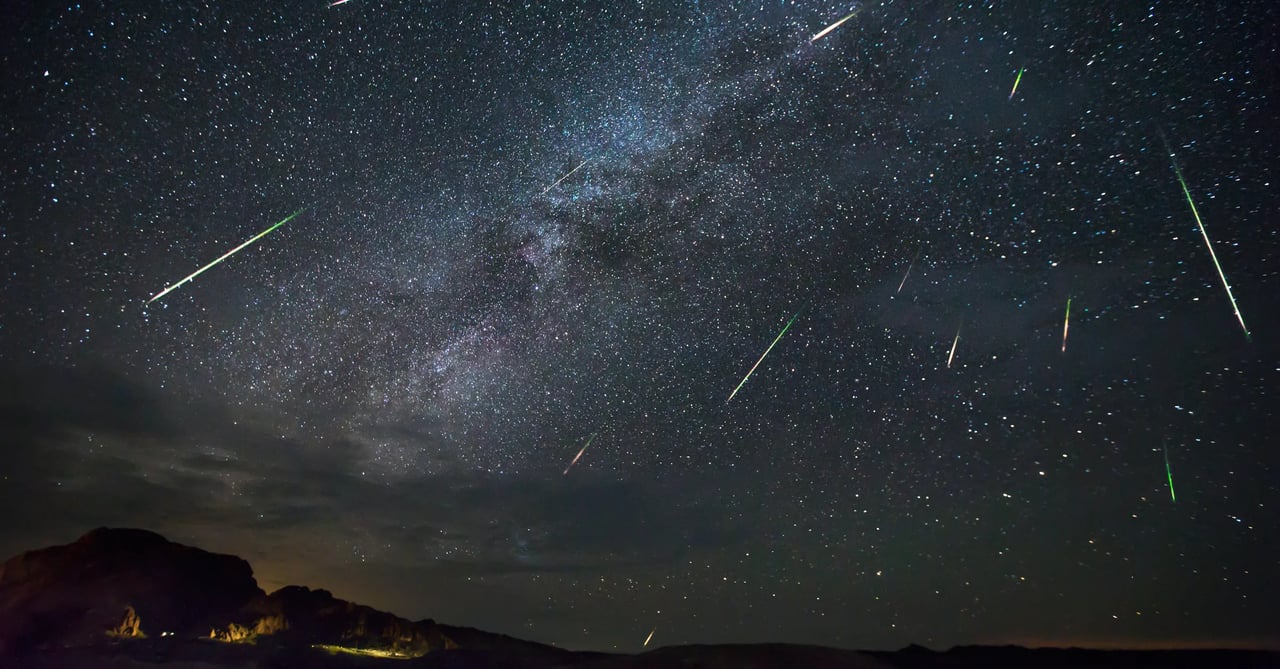
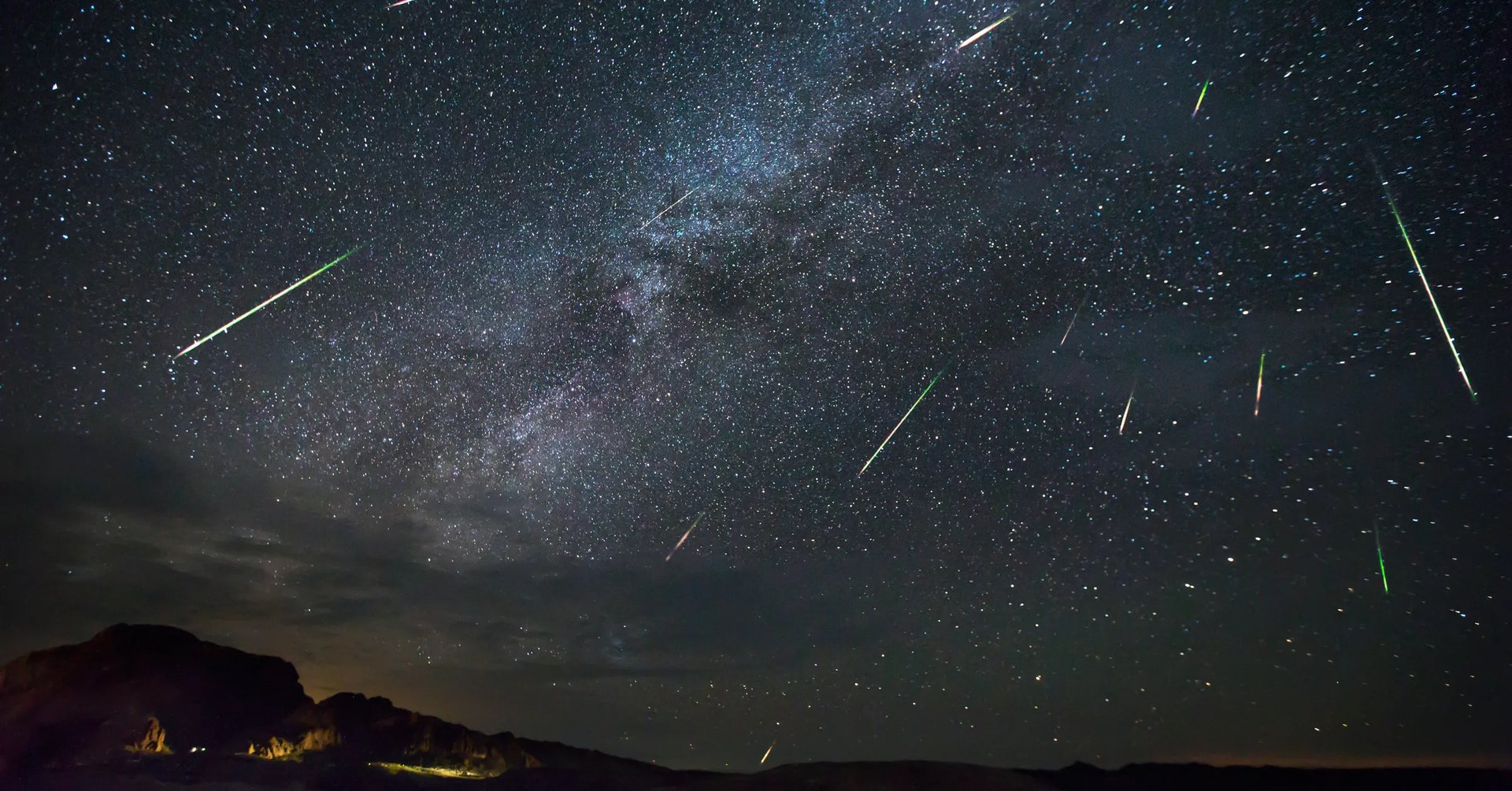
Most are tiny pieces of space debris called meteoroids. When they enter Earth's atmosphere at high speed, they heat up and create the bright streak of light we call a meteor.
And during a meteor shower? You can potentially see multiple meteors throughout the night.
Some of the major annual meteor showers Florida sky-watchers can look for include:
- ☄️ Perseids — typically active during July and August
- ☄️ Orionids — usually active around October
- ☄️ Leonids — typically appear in November
- ☄️ Geminids — one of the major December meteor showers
Exact viewing conditions change each year depending on the Moon, weather, timing and your location, so it's always worth checking the forecast and an astronomy calendar before planning your night outside.
And no, you don't usually need a telescope.
For meteor showers, a wide, dark view of the sky can actually be more useful than zooming in on one tiny section.
Basically: find somewhere dark, get comfortable and try not to check your phone every 12 seconds. 😂
🌕 Supermoons: When the Moon Looks a Little Extra
You've probably seen a headline that says:
“DON'T MISS TONIGHT'S SUPERMOON!”
…and immediately looked outside expecting the Moon to be approximately the size of your apartment building. 😂
It's not that dramatic.
The term supermoon is commonly used when a full Moon occurs near the Moon's closest point to Earth in its orbit. That can make the full Moon appear somewhat larger and brighter than when it's farther away.
One of the prettiest times to watch is around moonrise, when the Moon is low near the horizon and can look especially impressive next to buildings, palm trees or the Tampa Bay waterfront. 🌴🌕
🪐 When the Planets Decide to Hang Out
Every once in a while, you'll hear that two planets are having a “close encounter” in the night sky.
Don't worry. Jupiter isn't about to crash into Venus. 😂
A planetary conjunction happens when two or more objects appear unusually close together from our viewpoint on Earth, even though they're actually separated by enormous distances in space.
Depending on the event, bright planets such as Venus, Jupiter, Mars or Saturn can create some seriously cool views before sunrise or after sunset.
And sometimes you don't need fancy equipment to spot the brightest ones.
🌌 Florida Stargazing Is All About Timing
Here's the catch.
Florida weather can go from:
“Perfect clear night! 😍”
to
“Where did THAT cloud come from?!”
very quickly. 😂🌧️
For better stargazing in Florida, check:
- ☁️ Cloud coverage
- 🌕 Moon brightness and phase
- 💡 Nearby light pollution
- ⏰ The event's peak viewing time
- 🧭 Which direction you need to face
- 🌅 Sunrise and sunset times
For meteor showers especially, darker skies can make a major difference. Bright city lights can wash out the fainter meteors that would otherwise be visible.
That means sometimes the question isn't just “What night should I watch?”
It's also…
“Where around Tampa Bay should I actually go to see it? 👀🌴🌌”
Where Can You Actually Watch the Sky Around Tampa Bay? 🌴🌌
So you've checked the date, checked the weather and convinced yourself that yes, waking up at an unreasonable hour to stare at the sky is completely normal. 😂
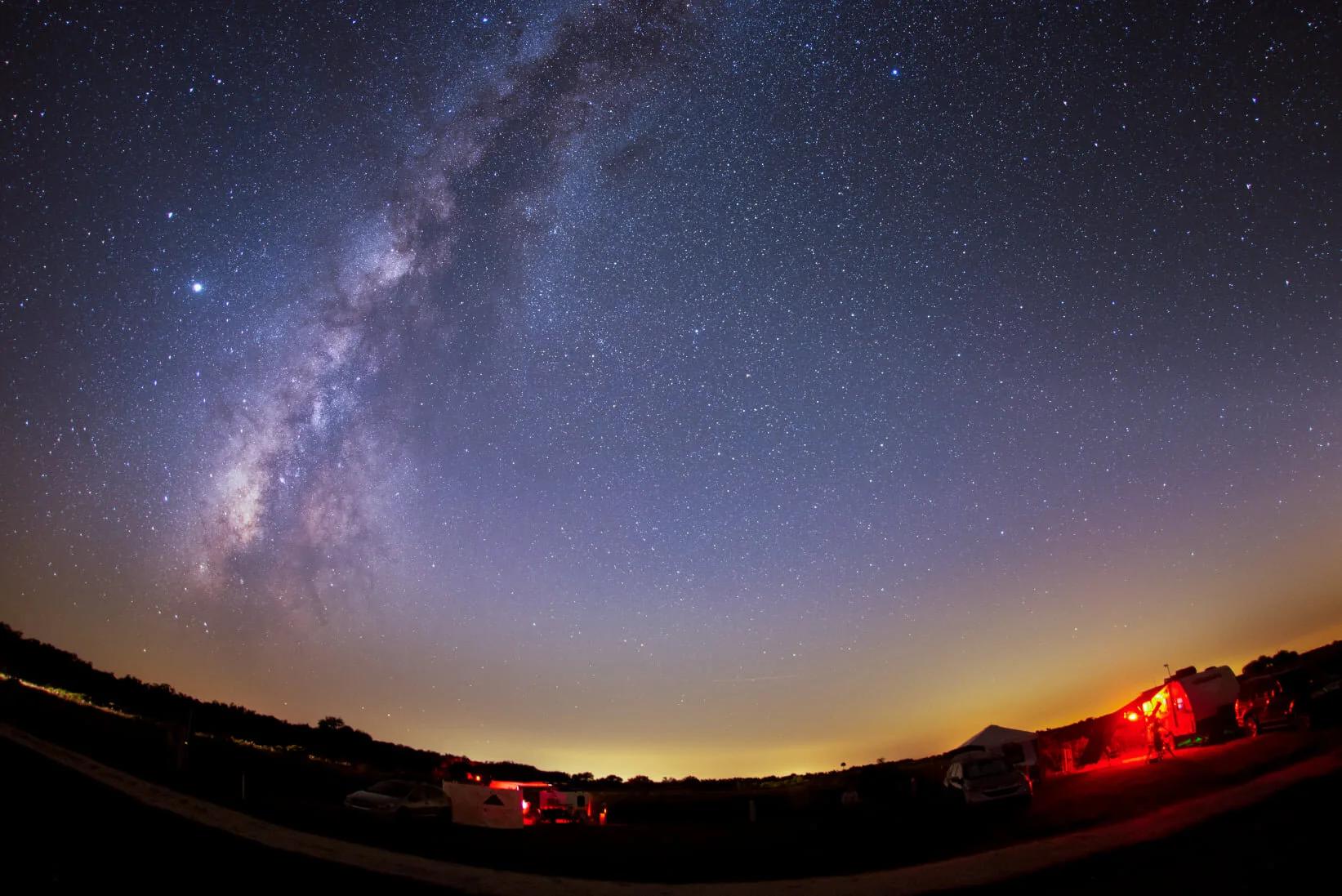
Now you need somewhere to watch.
For stargazing in Tampa Bay, the biggest challenge is usually light pollution. Downtown lights, streetlights, buildings and even your neighbor's ridiculously bright backyard floodlight can wash out fainter stars and meteors.
That doesn't mean you have to leave Tampa Bay completely. The trick is finding a location with open sightlines, less surrounding light and access during the actual celestial event.
🔭 Want the Telescope Experience? Try a Local Planetarium
If you'd rather have someone point out exactly what you're looking at, St. Petersburg College Planetarium is one local astronomy option.
The college's Gibbs Campus has a planetarium and rooftop observatory, and its astronomy programming has included public telescope viewing when weather permits. Since schedules can change, it's worth checking the current calendar before heading over.
Over in Tampa, Saunders Planetarium at MOSI offers another way to learn what's happening overhead before trying to identify everything yourself.
Because sometimes “I think that's Jupiter?” needs professional confirmation. 😂🪐
🌴 Want Darker Skies? You May Need a Little Drive
For serious stargazing, getting farther away from Tampa's brightest urban areas can make a noticeable difference.
The FarrOut Observatory area near Dade City offers darker conditions away from Tampa's heavier light pollution.
And if you're willing to turn stargazing into an actual Florida getaway, there's Kissimmee Prairie Preserve State Park near Okeechobee. It's known for its exceptionally dark skies and astronomy viewing opportunities.
🌊 What About Tampa Bay's Waterfront Parks?
An open waterfront can give you a beautiful horizon, which can be especially useful when the Moon or another celestial object is rising or setting low in the sky.
But there's an important catch: check the hours first.
Some Tampa Bay parks close at or shortly after sunset. A place might look perfect for a 2 a.m. meteor shower online, but that doesn't mean you're allowed to be there at 2 a.m. 😂
Before heading out, check:
- 🌙 Current operating hours
- 🚗 Parking availability
- 🔦 After-dark access rules
- ☁️ Cloud cover
- 💡 Surrounding light pollution
- 🧭 The direction of the celestial event
- 🌅 Moonrise, moonset, sunrise or sunset time
🌌 Sometimes Your Own Backyard Wins
Here's the part people forget: you don't always need to go anywhere.
Bright events like a lunar eclipse can often be enjoyed from a backyard, balcony or another outdoor space with a clear view of the Moon.
For something fainter, like a meteor shower, getting away from bright lights becomes more important.
So before turning stargazing into a two-hour road trip, step outside and look around.
Can you actually see the stars?
If the answer is “I can see three stars and a Publix sign,” 😂 you might want somewhere darker.
At Frank Albert Realty, exploring Tampa Bay isn't limited to what's happening at street level. Between waterfront sunsets, Florida weather and nights like these, sometimes one of the coolest local experiences is completely free.
You just have to remember to look up. 🌙✨
And speaking of looking up...
When does Florida get another BIG solar eclipse? 👀☀️🌑
When Does Florida Get Another BIG Solar Eclipse? ☀️🌑
Okay, lunar eclipses are cool. Meteor showers are beautiful. Supermoons definitely deserve a picture.
But let's be serious...
When is Florida getting one of those “WHY DID IT JUST GET DARK OUTSIDE?!” solar eclipses? 😂☀️🌑
We've got a few solar events coming, but there's a difference between seeing part of the Sun covered and experiencing the full show.
☀️ January 26, 2028: Florida Gets a Partial Solar Eclipse
This is the next date Florida sky-watchers should have on their radar.
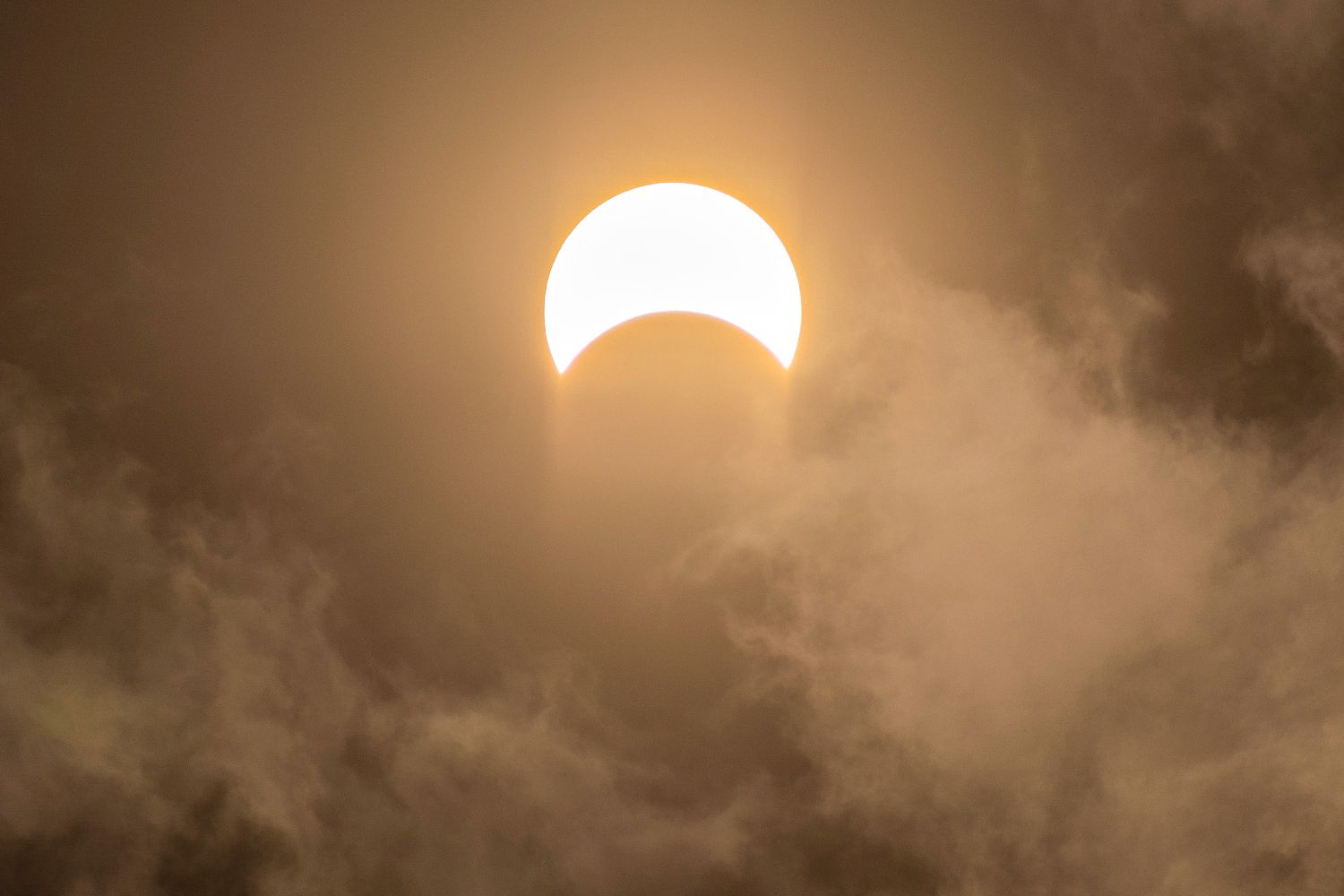
On Wednesday, January 26, 2028, an annular solar eclipse will occur globally, but Florida will not be inside the path of annularity. Instead, we'll see a partial solar eclipse. Time and Date
In Tampa, the eclipse is expected to:
- 🌑 Begin: around 8:10 a.m.
- 👀 Reach maximum: around 9:14 a.m.
- ☀️ End: around 10:27 a.m.
At maximum, roughly 13% of the Sun's disk will be obscured from Tampa, so don't expect the middle of the morning to suddenly look like midnight. 😂
You'll still need proper solar-viewing protection throughout the event. Tampa won't experience totality, so there is no point when it becomes safe to look directly at the Sun without appropriate protection.
🌑 And Florida Gets Another Chance in 2029
Don't put the eclipse glasses too far away.
Another partial solar eclipse is listed as visible from the Tampa Bay area on January 14, 2029.
But neither 2028 nor 2029 is the REALLY big one.
For that, we're going to have to wait a little longer.
Okay...
A LOT longer. 😭
🤯 August 12, 2045: THIS Is the One
Mark your calendar.
Actually, maybe set a reminder for approximately 19 years from now. 😂
On August 12, 2045, a total solar eclipse will cross the United States, and Tampa's eclipse calendar lists it as the area's next total solar eclipse. NASA's eclipse data also confirms the August 12, 2045 event as a total solar eclipse.
And total is the important word.
During totality, the Moon completely covers the Sun's bright surface for viewers positioned within the path of totality. That's when daylight can dramatically dim, the Sun's corona becomes visible and the entire experience goes from:
“Oh, that's pretty cool.”
to
“EVERYBODY GET OUTSIDE RIGHT NOW!!” 😂🌑
So yes, 2045 sounds ridiculously far away.
But if you're living in Tampa Bay when it happens, there's a good chance you're going to remember exactly where you were when the Florida sunshine suddenly disappeared.
Until then?
We've got lunar eclipses, partial solar eclipses, meteor showers and plenty of Florida sunsets to keep us entertained. 🌴🌅
And if you're planning to catch any of them, there's one thing you definitely don't want to do:
Walk outside completely unprepared and realize the best part already happened. 😭
So, let's make this easy with a Florida sky-watching checklist. 🌙✨
Your Florida Sky-Watching Checklist 🌙✨
Nothing hurts quite like opening your phone, seeing everyone posting incredible pictures of the sky and realizing:
“WAIT… THAT WAS TONIGHT?!” 😭😂
Whether you're planning to watch a lunar eclipse, solar eclipse, meteor shower or another Florida sky event, a little preparation can make the difference between actually seeing something incredible and standing outside staring at clouds.
Here’s what to check before you head outside. 👇
📅 Double-Check the Date & Time
Don't rely on a random social media post that says “TONIGHT!!!” without checking where it was posted from.
Celestial events happen at specific times, and what someone can see in California, Europe or another part of the world may be completely different from what you'll see in Florida or Tampa Bay.
Check the event's:
- 📅 Exact date
- ⏰ Local Tampa time
- 🌑 Beginning, peak and ending times
- 🧭 Viewing direction
- 📍 Florida visibility
☁️ Check That Florida Weather
You can plan for an eclipse months in advance.
Florida clouds do not care. 😂🌧️
Check the forecast as the event gets closer, especially cloud coverage. Even a major eclipse or meteor shower won't be much fun if the entire sky is covered.
💡 Find the Darkest View You Can
For bright events like a lunar eclipse, you may be perfectly fine watching from home.
Meteor showers and fainter celestial events are different. The farther you can safely get from bright streetlights, illuminated buildings and heavy light pollution, the more of the night sky you may be able to see.
👀 Give Your Eyes Time to Adjust
Heading somewhere dark and immediately saying “I DON'T SEE ANYTHING!” after 30 seconds isn't exactly giving the universe a fair chance. 😂
Your eyes need time to adjust to darkness. Once you're settled, try limiting bright phone screens and flashlights so you don't constantly reset your night vision.
🎒 Bring the Basics
You don't need an entire observatory in the trunk.
Depending on the event, consider bringing:
- 🪑 A comfortable chair or blanket
- 🦟 Bug spray because... Florida
- 💧 Water
- 🔦 A flashlight
- 🔭 Binoculars for appropriate nighttime viewing
- 📱 A fully charged phone
- 🧥 A light layer if temperatures drop overnight
- 👓 Proper solar viewers if you're directly viewing a solar eclipse
And remember: never use binoculars, a telescope or a camera to look directly at the Sun unless the equipment has the proper solar filter designed for that purpose.
📵 And Maybe... Actually Watch It
We know.
You need the picture. 😂📱
Take a few photos, get your video and send it to the group chat.
But then put the phone down.
Some celestial events last hours. Others give you a much smaller window. Either way, there's something pretty cool about standing under the same sky as everyone else and watching something that doesn't happen every ordinary night.
At Frank Albert Realty, we spend plenty of time talking about what makes Tampa Bay worth exploring, from its neighborhoods and homes to its waterfront views and local experiences.
But every once in a while, the best view isn't a place you drive to.
It's directly above you. 🌴🌙✨
So save the dates, check the weather and keep looking up.
Because Florida's next “WAIT... WHAT IS HAPPENING TO THE SKY?!” moment might be closer than you think. 👀🌑
Florida Eclipse & Sky Events FAQ 🌑🌴
Still have questions before you start planning your next night under the Florida sky? Here are a few of the things people are most likely to search before the next big celestial event.
When is the next eclipse visible in Florida?
The next eclipse visible from Florida is a penumbral lunar eclipse on February 20, 2027. In Tampa, the Moon will rise while the eclipse is already underway, so viewers will catch only the later portion of the event. Another penumbral lunar eclipse follows on August 17, 2027.
Can Florida see a solar eclipse in 2027?
Not every solar eclipse you see making headlines will be visible from Florida. The major August 2, 2027 total solar eclipse will cross parts of Europe, North Africa and the Middle East, but Florida will not be in its viewing area.
That's why it's always important to check visibility for your exact location before making eclipse plans.
When is the next solar eclipse visible from Tampa?
Tampa's next visible solar eclipse is expected on January 26, 2028. It will appear as a partial solar eclipse from Tampa Bay, rather than the dramatic total eclipse where the Sun is completely covered.
And yes, you'll still need proper solar-viewing protection. 👓☀️
Do I need eclipse glasses for a lunar eclipse?
No. Lunar eclipses are safe to view with your eyes, and you can also use binoculars or a telescope.
Solar eclipses are different. During partial phases, you should never look directly at the Sun without appropriate solar-viewing protection.
Easy way to remember:
Moon? 🌕 Look.
Sun? ☀️ Protect those eyeballs. 😂
When is the next total solar eclipse visible from Tampa Bay?
This one requires some patience. 😭
The August 12, 2045 total solar eclipse is expected to cross Florida, with Tampa lying within the path of totality. That means Tampa Bay could experience the dramatic moment when the Moon completely covers the Sun's bright surface.
So yes...
2045.
Go ahead and put it on the calendar now. 😂🌑
Keep Looking Up, Tampa Bay 🌴🌙
Living in Florida comes with plenty of reasons to look outside: incredible sunsets, waterfront views, palm-tree skies and the occasional afternoon storm that appears out of absolutely nowhere.
But every once in a while, the real show happens above all of it.
From Florida eclipses and meteor showers to supermoons and planetary events, there's always another reason to check the sky.
And while you're exploring everything Tampa Bay has to offer, Frank Albert Realty is here to help you explore what's happening closer to the ground too. From local communities and Florida real estate to the lifestyle that comes with calling Tampa Bay home, there's always something new to discover. Contact us today!
The next time everybody starts yelling, “GO OUTSIDE AND LOOK UP!”... you'll already know why. 👀🌑
The sky might give you a reason to look up. Tampa Bay might give you a reason to stay. 🌴🏡✨