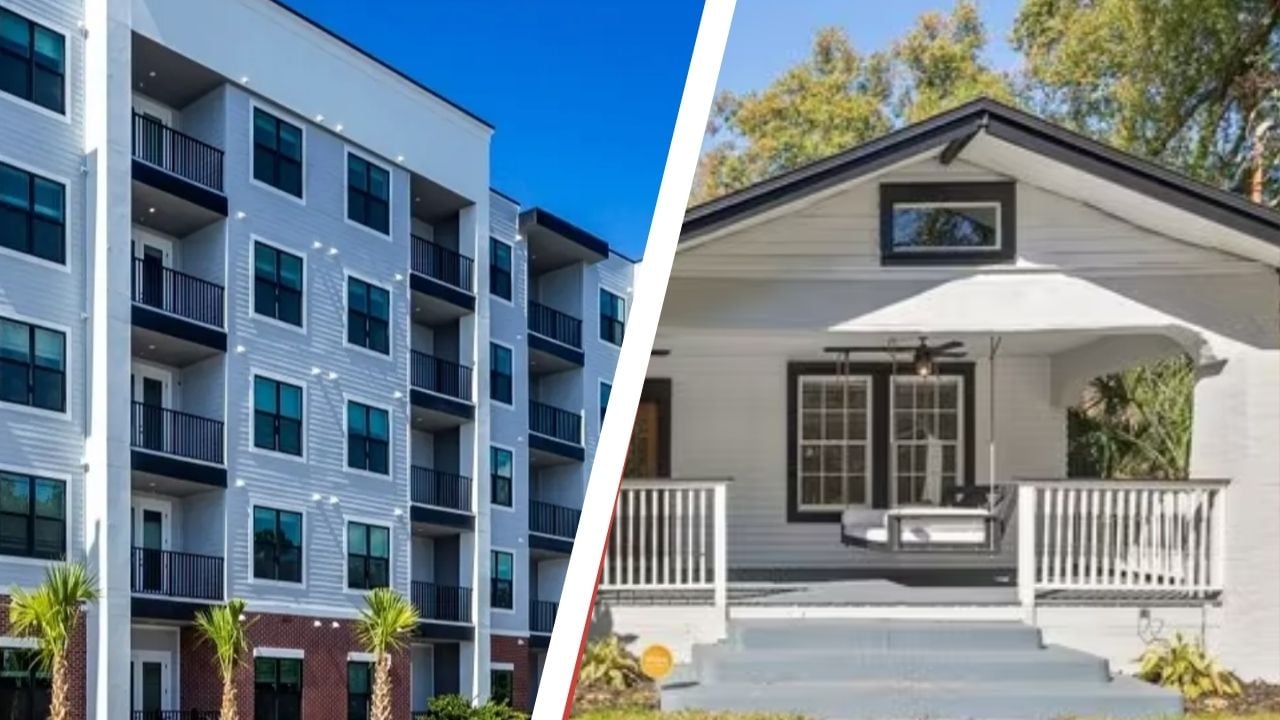
Renting vs. Buying in Tampa Bay in 2026: Let’s Actually Do the Math
Rent, Mortgage Payments & the Costs You Should Compare Before Making Your Next Move
You pay rent every month, watch the money leave your account and eventually start wondering:
“Wait… could I be paying this toward a house instead?” 👀🏡
It sounds like a simple question. But comparing renting vs. buying in Tampa, FL isn't as easy as putting your rent next to a mortgage payment and choosing the smaller number.
In 2026, Tampa's housing market is giving renters and potential buyers something to think about. Rents have come down from a year ago, home asking prices have softened, and mortgage rates are still playing a major role in affordability.
So before you renew the lease or start mentally decorating a house you haven't bought yet 😂, let's actually look at the numbers.
At Frank Albert Realty, we work with buyers across Tampa Bay who are trying to answer this exact question, so we're breaking down the costs that can help you compare your options more realistically.
🏡 Is It Better to Rent or Buy in Tampa in 2026?
There isn't one answer that works for everyone. Renting can offer more flexibility and typically requires less money upfront, while buying can provide the opportunity to build equity and have more control over your home.
The real comparison depends on things like:
- 💰 Monthly rent
- 🏠 Home price and down payment
- 📈 Mortgage rate
- 🧾 Property taxes and homeowners insurance
- 🌊 Flood insurance, when applicable
- 🏘️ HOA or CmDD costs, when applicable
- 🔨 Home maintenance
- 📆 How long you expect to own the home
In other words, $2,000 in rent and a $2,000 mortgage payment aren't automatically the same $2,000.
And that's exactly what we're going to break down.
💸 What Does Renting in Tampa Look Like Right Now?
As of September 10, 2026, Zillow reports that the average asking rent in Tampa is $1,995 per month across all bedroom counts and property types. That's $105 lower than a year earlier.
But don't start celebrating your next lease just yet. 😂
That number is a citywide average. The amount you actually pay can vary considerably depending on the property type, number of bedrooms, location, amenities and individual rental.
For example, Zillow's September data puts the average asking rent for a three-bedroom property in Tampa at $2,400 per month.
So if your rent is already hovering around $2,000–$2,500 a month, it's reasonable to wonder:
What could that same monthly housing budget look like if you bought instead?
We're getting there. 👀
🏠 And What About Buying in Tampa?
Home prices have been shifting too.
Recent August 2026 market data shows Tampa home asking prices declining from a year earlier, while mortgage rates remain an important part of affordability.
And this is where the rent-vs-buy conversation gets interesting.
A lower home price doesn't automatically mean a lower monthly payment. Your interest rate, down payment, insurance, property taxes and other property-specific expenses can dramatically change what homeownership costs each month.
As of September 10, 2026, Freddie Mac reported the average U.S. 30-year fixed mortgage rate at 6.76%.
Translation?
That listing price you see online is only one piece of the puzzle.
👀 Before You Say “My Rent Is Basically a Mortgage…”
You may be right.
Or you may be forgetting several hundred dollars worth of expenses that don't appear next to the home's price online.
💰 What Does a Mortgage Payment Actually Include?
When you see a home listed for sale and plug the price into a mortgage calculator, that estimated payment can look pretty tempting.
But before you compare it to your rent, there's an important question:
What exactly is included in that number?
Your actual monthly cost of owning a home in Tampa can include much more than principal and interest.
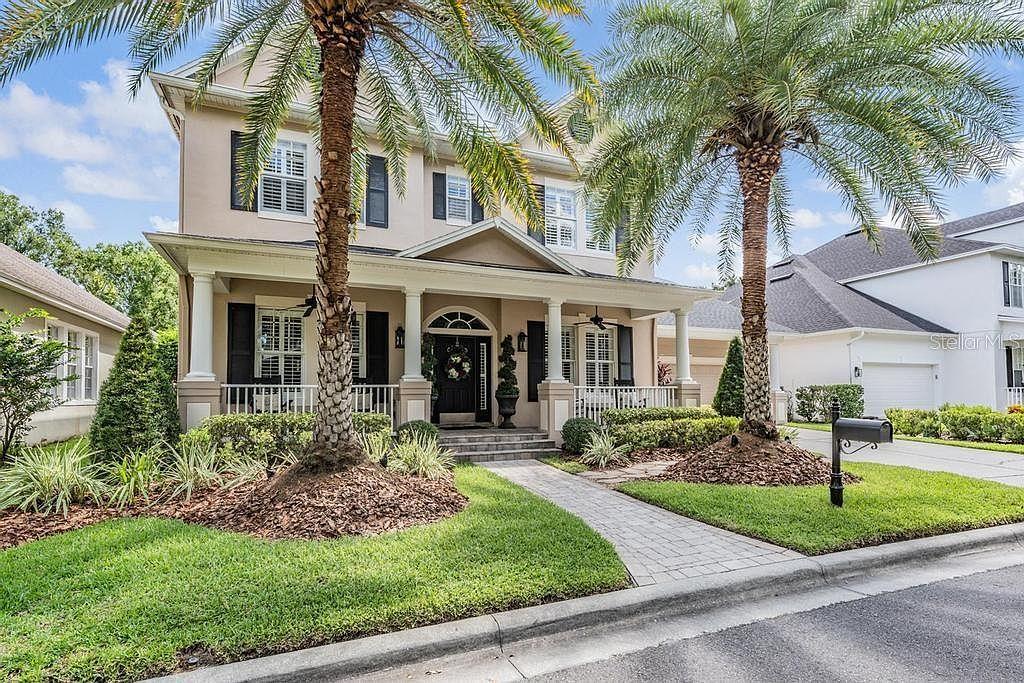
🏦 Principal + Interest
These are the two pieces most people think of when they hear “mortgage payment.”
Principal is the amount you're paying toward the money you borrowed to purchase the home.
Interest is what the lender charges for lending you that money.
And in 2026, the mortgage rate matters a lot.
Even two buyers purchasing similarly priced homes can have different monthly payments depending on their interest rate, down payment, loan program and other financing details.
That's why simply looking at the home's asking price doesn't tell you whether it fits your monthly budget.
🧾 Property Taxes
Then come property taxes.
Florida doesn't have a state property tax, but local governments levy property taxes, and the amount can vary based on factors including the property's taxable value and applicable exemptions.
This is especially important when looking at homes online because the taxes paid by the current owner may not necessarily represent what a new owner will pay.
So don't automatically grab last year's tax bill and plug it into your budget as if that number is guaranteed to stay the same.
🏠 Homeowners Insurance
Now we're getting into one of the expenses Florida buyers definitely shouldn't ignore: homeowners insurance.
Your premium can depend on the property itself, its location, coverage, insurer and other risk factors.
That means two Tampa Bay homes with similar asking prices could potentially have very different insurance costs.
This is one of those expenses you'll want to investigate before falling completely in love with the house.
Because the kitchen might be perfect...
but your monthly budget still gets a vote. 😂
🌊 What About Flood Insurance?
Living in Florida doesn't automatically mean every home requires flood insurance.
Flood risk can vary from one property to another, which is why buyers should research the specific property's flood zone and flood risk rather than assuming an entire Tampa Bay neighborhood is the same.
Depending on the property, lender and flood risk, flood insurance may become another expense to factor into your homeownership budget.
And yes, this is something worth checking before you're halfway through planning where the couch is going. 👀
🏘️ HOA & CDD Fees
Found a gorgeous newer community with a pool, clubhouse, walking trails and landscaping that looks suspiciously perfect?
Check the fees. 😂
Some Tampa Bay properties may have a homeowner's association (HOA) with monthly, quarterly or annual dues.
And some communities, particularly newer developments, may also be located within a Community Development District (CDD).
These aren't interchangeable expenses, and the amounts can vary considerably by community.
The takeaway?
Don't compare two homes based on asking price alone.
A property with a slightly lower price could still have higher ongoing costs once taxes, insurance, HOA or CDD expenses are considered.
💸 Don't Forget Mortgage Insurance
Your down payment can affect more than the amount of cash you need at closing.
Depending on your mortgage program and down payment, your loan may also include mortgage insurance.
And no, putting 20% down isn't the only way to buy a home.
Some loan programs allow eligible buyers to purchase with smaller down payments, but the financing structure can affect the monthly payment and upfront costs.
This is why getting actual loan estimates from a qualified lender can be much more useful than relying solely on the mortgage calculator attached to a listing.
🔨 And Then... Something Breaks
This is one of the biggest differences between renting and owning.
If you're renting and the air conditioner stops working, you're generally contacting the landlord or property manager.
If you own the house?
Plot twist: you are the landlord now. 😂
Homeowners need to budget for routine maintenance and unexpected repairs, which could include things like:
- HVAC maintenance or replacement
- Plumbing repairs
- Roof maintenance or replacement
- Appliance repairs
- Pest control
- Lawn and exterior upkeep
- General wear and tear
You won't necessarily have one of these expenses every month, but that doesn't mean they should be ignored when deciding whether it's cheaper to rent or buy in Tampa.
Setting money aside for future repairs is part of the real cost of homeownership.
🧮 So That “$2,000 Mortgage” Might Not Really Be $2,000
This is where our comparison from Part 1 starts making more sense.
If you're currently paying around $2,000 per month in rent, finding a home with an estimated $2,000 principal-and-interest payment doesn't automatically mean owning will cost the same amount each month.
You still need to ask:
What happens after we add taxes, homeowners insurance, possible flood insurance, mortgage insurance, HOA or CDD costs and money for maintenance?
Now we're looking at the number that actually matters.
But homeowners aren't the only ones paying more than the number advertised online.
That $1,995 Tampa rent we talked about earlier?
It may not tell the whole story either. 👀
🔑 Renting Has Extra Costs Too
So buying comes with expenses beyond the mortgage.
But renters aren't exactly paying the number they saw in the apartment ad and calling it a day either. 😂
That $1,995 average asking rent in Tampa we mentioned earlier is the advertised rent. Your actual monthly housing cost could be higher once other expenses are added.
💸 Your Rent Might Be $2,000... But What Are You Actually Paying?
Depending on the rental, your monthly expenses could also include:
- 💡 Utilities such as electricity, water, sewer or trash
- 🛡️ Renters insurance
- 🚗 Parking or garage fees
- 🐶 Pet rent
- 🏊 Amenity or community fees
- 📦 Valet trash or package fees
- 📱 Internet or technology packages
Not every rental charges all of these, and some properties bundle certain expenses into the rent.
But if you're trying to decide whether it's cheaper to rent or buy in Tampa, the important number isn't just the rent printed at the top of the listing.
It's your total monthly housing expense.
📦 Moving Into a Rental Can Cost You Too
Renting generally requires less cash upfront than purchasing a home, but moving into a rental isn't always cheap.
Depending on the property and your situation, move-in expenses could include an application fee, security deposit, administrative fee, pet deposit or fee, first month's rent and utility setup costs.
Some renters may also face different deposit requirements based on the property's screening criteria.
So even though you're not saving for a home down payment and buyer closing costs, it's still smart to calculate:
“How much money do I actually need to get the keys?” 🔑
📈 Then Comes the Lease Renewal
Here's another major difference between renting and owning.
Your lease has an expiration date.
When renewal time comes around, your landlord or property manager may offer a different rental rate, subject to your lease and applicable laws.
That could mean your housing payment changes even though you haven't moved anywhere.
Now, owning doesn't mean your monthly housing expenses can never change either. Property taxes, homeowners insurance, HOA fees and other costs can change over time.
So neither option gives you a magical “this payment will never change again” button.
The expenses that can change are simply different.
🏡 But Renting Buys You Something Too: Flexibility
Renting isn't only about what you don't own.
You're also paying for flexibility.
If your job changes, your household needs more space, you decide you want a different neighborhood or you're simply not sure where you want to be several years from now, renting can make it easier to relocate once your lease obligations are satisfied.
Buying a home is generally a much bigger commitment.
Selling can involve transaction costs, preparation, timing and market conditions. That's why how long you expect to stay in the home matters when comparing renting versus buying.
Someone planning to move relatively soon may look at the numbers very differently from someone planning to stay for years.
👀 So Is Renting “Throwing Money Away”?
You've probably heard this one:
“Renting is just paying someone else's mortgage.”
It makes a great social media caption.
It just doesn't tell the entire financial story. 😂
Rent gives you a place to live without taking on many of the financial responsibilities that come with owning the property.
Buying, on the other hand, can give you the opportunity to build equity as you pay down your loan and potentially benefit if the home's value increases, although appreciation isn't guaranteed.
So the question isn't whether rent disappears from your bank account every month.
Of course it does.
The better question is:
What are you getting in exchange, and does buying make more financial sense for your current situation?
Because now that we've looked at the ongoing costs on both sides, there's one big expense we haven't tackled yet:
How much money do you actually need upfront to buy a home in Tampa? 👀💰
💰 How Much Money Do You Actually Need to Buy a Home in Tampa?
This is usually where renting starts looking a little easier.
With a rental, you might need your first month's rent, a deposit and a few move-in fees.
Buying?
There are a few more numbers invited to the party. 😂
But before you assume you need a giant pile of cash sitting in the bank, let's clear up one of the biggest homebuying myths.
🏦 No, You Don't Always Need 20% Down
A 20% down payment is not a universal requirement to purchase a home.
Depending on eligibility and the loan program, buyers may have access to financing options requiring considerably less upfront.
For example, certain conventional loans may allow down payments as low as 3%, while FHA loans can allow qualifying borrowers to put down 3.5%. Eligible VA and USDA borrowers may have access to zero-down-payment financing.
So let's put that into perspective.
On a $350,000 home:
- 3% down = $10,500
- 3.5% down = $12,250
- 5% down = $17,500
- 10% down = $35,000
- 20% down = $70,000
That's a pretty big difference.
Of course, a smaller down payment can affect your loan amount, monthly payment and mortgage-insurance costs. The lowest possible down payment isn't automatically the best option for every buyer.
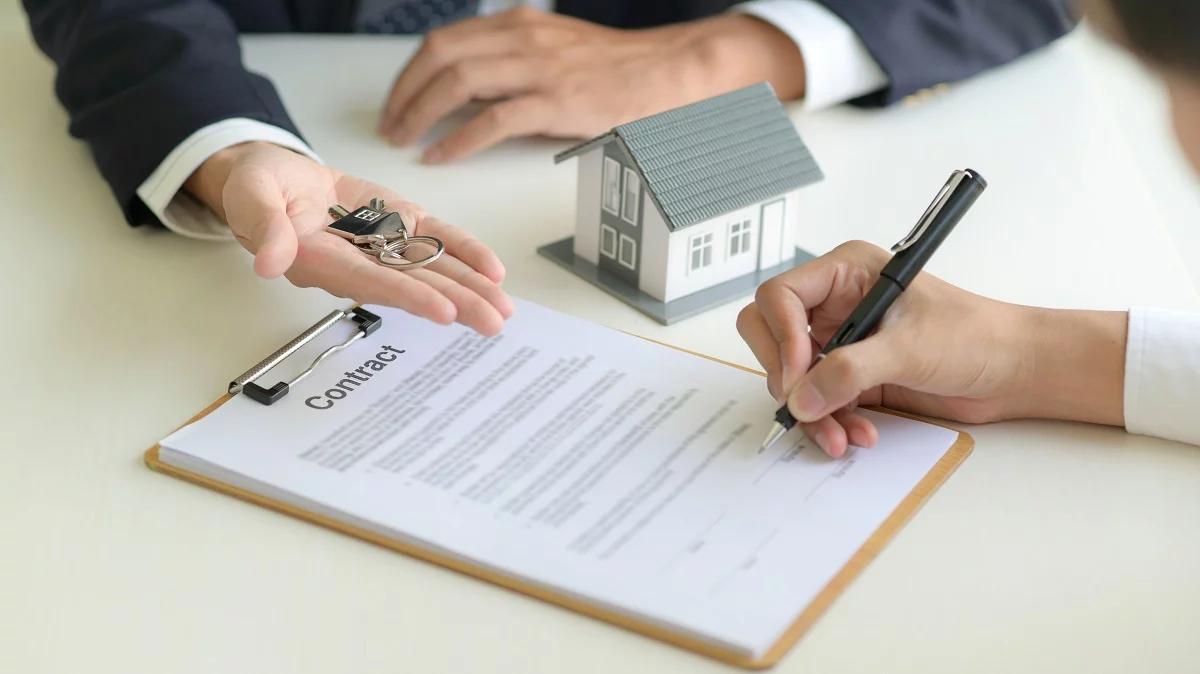
🧾 Then There Are Closing Costs
Your down payment isn't necessarily the only cash you'll need.
Buyers can also have closing costs, which can include lender charges, title-related expenses, prepaid taxes and insurance, recording costs and other transaction-specific expenses.
The exact amount depends on the purchase, loan and other details of the transaction.
Translation:
Don't save exactly enough for your down payment and assume you're done. 👀
Before making an offer, ask your lender for an estimate of the total cash you'll need to close, not just the down payment.
🔍 Don't Forget the Inspection
A home can look absolutely perfect during a showing.
Fresh paint. Beautiful kitchen. Cute backyard.
Then the inspection starts. 😂
A professional home inspection can help identify issues that may not be obvious during your walkthrough.
Depending on the property, buyers may also consider additional inspections or evaluations for things such as the roof, plumbing, electrical systems, HVAC, pests or other property-specific concerns.
An inspection is another upfront expense, but understanding the condition of a home before closing can be extremely valuable.
📋 What About the Appraisal?
If you're financing the purchase, your lender may require an appraisal to help determine the property's value for lending purposes.
And here's an important distinction:
An appraisal and a home inspection are not the same thing.
An appraisal primarily helps the lender evaluate the property's value and certain lending requirements.
A home inspection is focused on helping the buyer better understand the home's condition.
You may encounter both during the buying process, so both should be considered when estimating your Tampa home buying costs.
💵 And What's Earnest Money?
You may also hear the term earnest money deposit once you start making offers.
Think of it as money submitted according to the purchase contract to demonstrate that you're serious about buying the property.
The amount, deadlines, handling and circumstances under which the deposit may be refundable depend on the contract.
And importantly, earnest money isn't necessarily just another fee that disappears. When the transaction closes, it is generally credited according to the terms of the contract.
🎁 Could the Seller Help With Some Costs?
Potentially.
Depending on the transaction, loan requirements and negotiations, a seller may agree to contribute toward certain buyer closing costs.
And in some new-construction communities, builders may offer financing or closing-cost incentives, particularly when buyers use an affiliated or preferred lender.
But incentives can change, and the biggest advertised incentive isn't automatically the best overall deal.
Compare the entire offer, not just the shiny number in the ad.
Once you know your estimated buying budget, Frank Albert Realty team can help you compare Tampa Bay homes within that range, including property-specific factors such as HOA fees, CDDs and location considerations that can affect the bigger picture.
🏠 Buying Takes More Cash Upfront. But That's Not the End of the Comparison.
There's no getting around it:
Purchasing a home will often require more money upfront than signing a new lease.
That's one reason renting may make more sense for someone who doesn't currently have enough savings for a purchase or who wants to maintain a larger cash cushion.
But upfront cost is only one part of the renting vs. buying in Tampa FL equation.
Because even if you can afford to buy, there's another question that could completely change the math:
How long are you actually planning to stay? 👀📆
📆 How Long Do You Plan to Stay? This Could Change Everything
You can afford the down payment.
The monthly payment works.
You found a house you love.
So buying automatically wins... right?
Not necessarily. 👀
One of the most overlooked factors when comparing renting vs. buying in Tampa FL is how long you actually plan to own the home.
🏡 Buying Is More Than Moving In
Remember all those upfront expenses we just talked about?
Buying can involve a down payment, closing costs, inspections, appraisal expenses and other transaction costs.
And eventually, selling a home can come with expenses too.
That means buying a home and selling it again shortly afterward doesn't automatically guarantee that you'll come out ahead financially, even if the property increases in value.
Home values can rise or fall, and appreciation is never guaranteed.
The longer you own a home, however, the more time you potentially have to spread those transaction costs over your years of ownership and build equity through mortgage payments.
💰 Wait... How Does Equity Actually Work?
Let's make this simple.
Home equity is essentially the difference between what your home is worth and what you owe on it.
If your home is worth $400,000 and you owe $320,000 on your mortgage, you would have approximately $80,000 in equity before accounting for potential selling costs or other obligations.
Equity can grow in a couple of ways:
- You pay down the principal balance on your mortgage.
- The property's market value increases.
But there's an important catch.
During the earlier years of a typical fixed-rate mortgage, a larger portion of the principal-and-interest payment generally goes toward interest, with the principal portion increasing over time.
So don't assume that making $2,000 mortgage payments for a year means you've suddenly built $24,000 in equity.
Mortgage math said, “Nice try.” 😂
🔑 This Is Where Renting Can Have an Advantage
If you're not sure you'll stay in Tampa Bay long term, renting can give you more flexibility.
Maybe you're expecting a job change.
Maybe you're considering another city.
Maybe your household could need more space soon.
Or maybe you're still figuring out whether you prefer Downtown Tampa, South Tampa, Wesley Chapel, Riverview, Brandon, St. Pete or somewhere else around Tampa Bay. ➡️ Neighborhoods
Buying ties you to a property in a way a one-year lease generally doesn't.
That doesn't mean you can't sell a home after a short period.
It means you should understand the potential financial impact before buying with the assumption that you'll simply sell whenever you're ready.
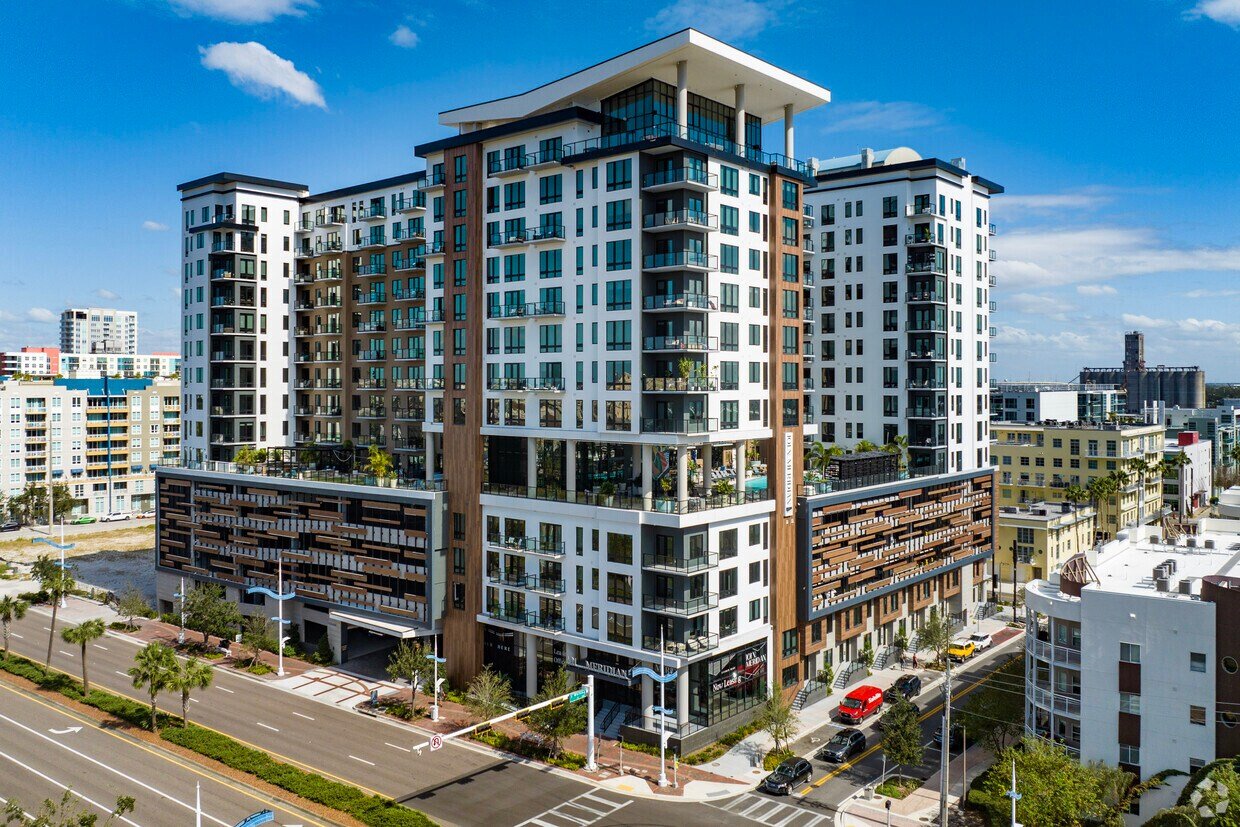
⏰ Is There a Magic Number of Years You Should Stay?
You'll sometimes hear rules like:
“Don't buy unless you're staying at least five years.”
That's a useful starting point for thinking about the decision, but it isn't a universal rule.
Your personal break-even point depends on factors such as:
- Purchase price
- Mortgage rate
- Down payment
- Closing costs
- Monthly ownership expenses
- Comparable rent
- Future rent changes
- Home maintenance
- Selling expenses
- How the home's value changes over time
For one buyer, staying several years might make purchasing financially attractive.
For another, renting for longer could still make more sense.
That's why a rent-vs-buy calculator can be useful, but even that should be treated as an estimate based on assumptions about the future.
👀 Ask Yourself This Before House Hunting
Instead of only asking:
“Can I afford to buy this house?”
Add another question:
“Does buying this house make sense for how long I realistically expect to stay?”
If you're planning to put down roots in Tampa Bay for years, buying may deserve a closer look.
If your plans could change considerably in the near future, the flexibility of renting may be worth more than you think.
And now we can finally get to the comparison everyone clicked this blog for:
If you had the same monthly housing budget, what could renting versus buying actually look like in Tampa in 2026? 👀🧮
🧮 Renting vs. Buying in Tampa: Let’s Put the Numbers Side by Side
Okay, we've talked about rent, mortgage payments, insurance, taxes, closing costs and how long you plan to stay.
Now let's actually put some numbers on the screen. 👀
Earlier, we mentioned that Zillow reported an average asking rent of $1,995 per month in Tampa as of September 10, 2026.
So let's imagine you're looking at a rental around $2,000 per month and wondering what buying might look like instead.
🔑 Scenario 1: You Keep Renting
Let's say you find a Tampa rental for:
Base rent: $2,000/month
Your actual monthly housing budget could be higher once you add expenses that aren't included in the advertised rent.
For example, you might also have renters insurance, utilities, pet rent, parking or other property-specific fees.
But here's one thing you know from the beginning:
You aren't responsible for the property's mortgage, property taxes or major home repairs.
If the roof needs replacing, that's generally not coming out of your savings account.
There's value in that predictability.
🏠 Scenario 2: You Buy a $300,000 Home
Now imagine you're considering a $300,000 home.
For illustration, let's use a 5% down payment, which would be:
$15,000 down
That leaves a starting loan amount of approximately $285,000, before considering any financed fees or other adjustments.
Using a 6.76% 30-year fixed interest rate purely as an example, the principal-and-interest payment on $285,000 would be roughly:
$1,850 per month.
And this is exactly where someone might say:
“Hold on. That's less than my $2,000 rent!” 👀
Yes...
but we're not finished. 😂
💸 Now Add the Rest of Homeownership
That approximately $1,850 figure represents principal and interest only.
A buyer would still need to account for applicable expenses such as:
- Property taxes
- Homeowners insurance
- Mortgage insurance
- Flood insurance, when applicable
- HOA or CDD costs, when applicable
- Home maintenance and repairs
Once those expenses are included, the total monthly cost of owning that $300,000 home could be considerably higher than $1,850.
And because taxes, insurance and community fees can vary from one property to another, there isn't one responsible number we can add and claim applies to every $300,000 home in Tampa.
That's why the listing's mortgage calculator should be the beginning of your math, not the end of it.
👀 But There's Another Side to the Equation
At this point, renting might look like the obvious winner.
Not so fast.
With rent, your monthly payment provides housing for the period covered by your lease.
With a mortgage, part of your principal-and-interest payment goes toward reducing the balance you owe on the home.
Over time, that can help you build equity.
So even if owning costs more each month, comparing only the monthly cash leaving your bank account still doesn't tell the entire story.
That's what makes the Tampa rent vs. mortgage debate more complicated than:
$2,000 vs. $1,850.
📊 The Comparison Looks More Like This
Renting | Buying | |
|---|---|---|
Monthly base payment | Rent | Principal + interest |
Property taxes | Generally landlord's responsibility | Homeowner responsibility |
Homeowners insurance | No | Typically needed |
Renters insurance | May be required | No |
Major repairs | Generally landlord's responsibility | Homeowner responsibility |
HOA/CDD | May be reflected in rent | May apply directly |
Upfront costs | Generally lower | Generally higher |
Equity potential | No ownership equity | Potential to build equity |
Moving flexibility | Generally higher after lease obligations | Selling may be required |
Payment changes | Rent can change at renewal | Taxes, insurance, HOA and other costs can change |
💡 So Which One Wins at $2,000 a Month?
That's the trick.
Neither automatically wins.
If $2,000 is the absolute maximum you can comfortably spend on housing each month, you shouldn't assume that a home with a $2,000 principal-and-interest payment fits your budget.
You'd need room for the rest of the ownership expenses.
But if you're spending around $2,000 or more on rent, have money saved for upfront and emergency expenses, qualify for financing and expect to stay in the home long enough, it may be worth finding out what purchasing could realistically look like.
The smartest comparison isn't:
“What home price gives me the same payment as my rent?”
It's:
“What home price keeps my TOTAL monthly housing cost within a budget I'm comfortable with?”
That's a very different question.
And it brings us to the decision that matters most:
Who should seriously consider buying in Tampa right now... and who may actually be better off continuing to rent? 👀🏡
🤔 Should You Rent or Buy in Tampa in 2026?
After all that math, you probably want somebody to just say:
“Okay... so which one should I do?” 😂
The answer still depends on your finances and plans, but by now you should have a much better idea of what to consider.
Here's a simple way to look at it.
🏡 Buying May Be Worth Exploring If...
Buying could be worth a closer look if:
- 💰 You have money saved beyond your down payment. You don't want closing day to leave your savings account at $12.47.
- 📆 You expect to stay for several years. The longer you plan to own, the more time you potentially have to build equity and spread out the costs of buying and eventually selling.
- 💳 Your finances can support homeownership. That includes more than qualifying for the loan. You also need room for insurance, taxes, maintenance and unexpected expenses.
- 🔨 You're prepared for maintenance. When something breaks, you're the one making the call and potentially paying the bill.
- 🏠 You want more control over your space. Owning can give you more freedom to personalize your home, subject to applicable laws, permits and community restrictions.
- 📍 You have a good idea where you want to live. If you've found an area of Tampa Bay that works for your lifestyle and longer-term plans, purchasing may be easier to justify.
Most importantly, buying may be worth investigating if you're already paying substantial rent and wondering whether homeownership could fit within your total housing budget.
Notice we said investigating.
You don't have to decide you're buying before finding out whether buying actually makes sense.
🔑 Renting May Make More Sense If...
And yes, renting can absolutely be the smarter choice in certain situations.
Renting may make more sense if:
- 📦 You expect to move relatively soon.
- 💰 Buying would wipe out most of your savings.
- 🔨 You don't want responsibility for major repairs and maintenance.
- 💳 You're currently working on your credit or overall finances.
- 📍 You're still deciding where around Tampa Bay you want to settle.
- 🏠 The homes you want would push your monthly budget too far.
Sometimes waiting isn't a failure to buy.
It's part of preparing to buy without putting yourself in a financial situation you aren't comfortable with.
👀 And Don't Buy Just Because You're Tired of Paying Rent
This deserves its own section.
Being annoyed by rent is not, by itself, a reason to purchase a house.
Buy because the numbers work.
A home can be a major long-term financial asset, but it's also a major financial responsibility.
If purchasing would leave you struggling every month after the mortgage, insurance, taxes, utilities and maintenance are paid, that dream house can start feeling a lot less dreamy.
On the other hand, don't automatically assume buying is impossible just because you don't have a 20% down payment sitting in your savings account.
The point of doing the math is to find out what's actually realistic.
💡 Your Next Move Doesn't Have to Be a Guess
If you're stuck between renewing your lease and exploring homeownership, you don't necessarily need to make the decision based on an online mortgage calculator.
Start with real numbers.
Figure out:
What am I spending on housing now?
Then:
What could I comfortably spend each month without stretching my budget?
And finally:
What would the total cost of owning a home in my price range actually look like?
Once you have those answers, the renting vs. buying in Tampa FL decision becomes a lot more personal and a lot less theoretical.
Because sometimes the math says:
“Keep renting for now.”
And sometimes it says:
“Wait... buying might actually be possible.” 👀🏡
Either answer is useful when it helps you make your next move with more information.
But before you close the calculator, let's answer a few of the questions Tampa renters and potential buyers are probably still Googling.
❓ Tampa Rent vs. Buy FAQs
Still doing the math? Here are a few quick answers to some of the biggest questions about renting vs. buying in Tampa FL.
Is It Cheaper to Rent or Buy in Tampa?
It depends on the property, financing and your individual expenses.
Renting may have a lower upfront cost and fewer maintenance responsibilities, while buying can provide the opportunity to build equity over time.
The best comparison is your total monthly cost, not simply rent versus principal and interest.
How Much Money Do I Need to Buy a House in Tampa?
There's no single amount every Tampa buyer needs.
Your upfront costs can depend on the home price, down payment, loan program, closing costs, inspections, appraisal and other transaction expenses.
The best way to get a realistic number is to speak with a qualified lender about your financing options and estimated cash needed to close.
Do I Need 20% Down to Buy a Home in Florida?
No.
Depending on eligibility and the mortgage program, some buyers may qualify for financing with considerably less than 20% down.
Certain conventional programs may offer down payments as low as 3%, FHA financing may allow 3.5% for qualifying borrowers, and eligible VA or USDA borrowers may have zero-down-payment options.
Just remember: a smaller down payment can affect your loan amount, monthly payment and mortgage insurance.
Is a Mortgage Cheaper Than Rent?
Sometimes the principal-and-interest portion of a mortgage may be similar to or even lower than rent.
But that's not the complete comparison.
Homeowners may also have property taxes, homeowners insurance, mortgage insurance, HOA or CDD expenses, flood insurance when applicable, and maintenance costs.
So if a mortgage calculator shows $2,000 and your rent is $2,000, don't call it a tie just yet. 😂
Is Buying a Home in Tampa Worth It in 2026?
For the right buyer, it can be.
If you're financially prepared, have enough savings, expect to stay in the area and find a property whose total monthly ownership cost works with your budget, purchasing may be worth exploring.
But if buying would stretch your finances too far or you're unsure how long you'll stay, continuing to rent may make more sense.
The goal isn't to buy as quickly as possible. It's to make a move that actually works for you.
🏡 Rent or Buy? Start With the Real Numbers
At the end of the day, there isn't a universal winner in the Tampa rent vs. buy debate.
Renting can give you flexibility.
Buying can give you the opportunity to build equity.
And both come with expenses that aren't always obvious when you're scrolling through listings online.
So, before you renew your lease because buying seems impossible or start house hunting because your rent feels like a mortgage, run the complete numbers first.
If buying is something you're considering, Frank Albert Realty can help you explore Tampa Bay homes that fit what you're looking for and better understand the property-specific costs you'll want to investigate along the way. ➡️Contact us today!
Because the question isn't just:
“Can I buy a house?”
It's:
“Does buying make sense for me right now?” 👀🏡
And that's a much better place to start.