Hurricane Season in Tampa Bay: The Complete Guide to Preparing Your Home, Family & Emergency Plan
Everything You Need to Know Before Hurricane Season Arrives in Tampa Bay
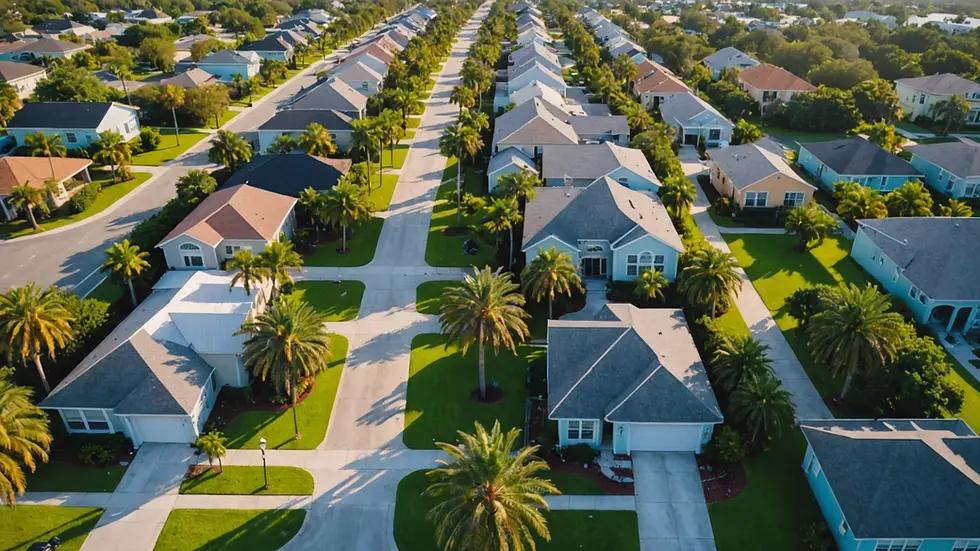
Florida's Gulf Coast offers beautiful beaches, waterfront living, year-round sunshine, and vibrant communities, but it also comes with the responsibility of preparing for hurricane season in Tampa Bay. Whether you're a longtime Florida resident, a first-time homeowner, a renter, or planning to relocate to the area, understanding how hurricane season works can help you stay informed, protect your property, and make confident decisions.
The good news? Preparation goes a long way. While tropical systems can bring heavy rain, strong winds, storm surge, and localized flooding, millions of people safely live throughout the Tampa Bay region by following official guidance, creating emergency plans, and preparing before a storm is ever in the forecast.
In this complete guide, you'll learn:
- 🌪️ When hurricane season begins and ends
- 🏠 How to prepare your home before severe weather arrives
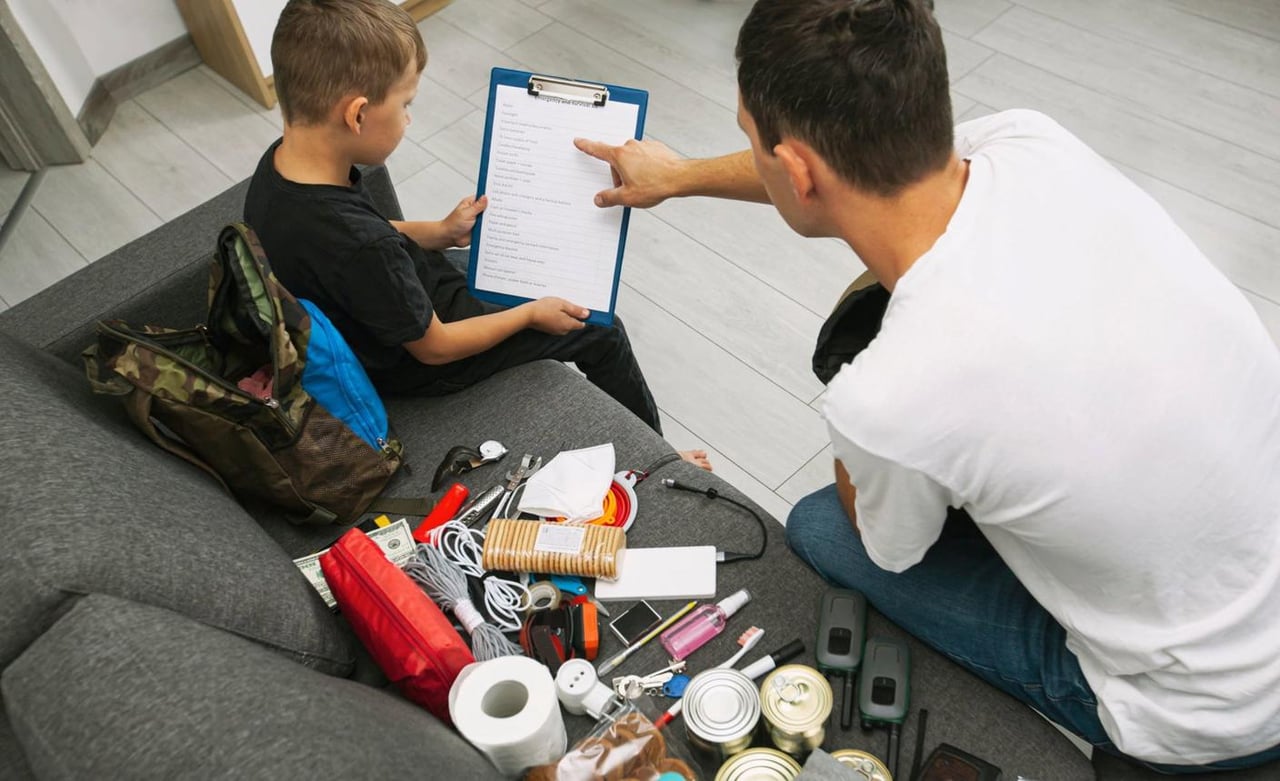
- 🎒 What every hurricane emergency kit should include
- 📍 How evacuation zones work
- 📱 Where to find trusted weather updates
- ✅ Practical tips for homeowners, renters, and newcomers to Florida
Whether you live in Tampa, South Tampa, New Tampa, Lutz, Wesley Chapel, Riverview, Brandon, Clearwater, St. Petersburg, or another nearby community, taking time to prepare now can make hurricane season much less stressful.
What Is Hurricane Season in Tampa Bay?
Hurricane season in Tampa Bay officially runs from June 1 through November 30, with the greatest chance of tropical storms and hurricanes typically occurring between August and October. Preparing early by understanding evacuation zones, assembling an emergency kit, protecting your home, and following trusted weather sources can help you respond quickly if severe weather develops.
Understanding Hurricane Season in Tampa Bay
When Is Hurricane Season?
During a six-month period, meteorologists monitor tropical disturbances across the Atlantic Ocean, Caribbean Sea, and Gulf of Mexico that have the potential to strengthen into tropical storms or hurricanes.
Although storms can develop at any point during hurricane season, the busiest months are generally:
- August
- September
- October
Warm ocean temperatures during late summer and early fall create favorable conditions for tropical systems to form and strengthen, making these months the peak of hurricane season for Florida and much of the southeastern United States.
However, hurricane preparedness shouldn't wait until a storm appears on the forecast. Emergency management experts recommend reviewing your plans, checking your supplies, and preparing your home well before the peak of the season.
Why Preparation Matters
One of the biggest misconceptions about hurricanes is that residents only need to prepare when a named storm is approaching. In reality, waiting until the last minute can make it much harder to find essential supplies, fuel, batteries, bottled water, or other emergency necessities. Click here ➡️ Preparation
Preparing early gives you time to:
- ✔️ Build or refresh your emergency kit
- ✔️ Review your family's communication plan
- ✔️ Understand local evacuation procedures
- ✔️ Check insurance policies and important documents
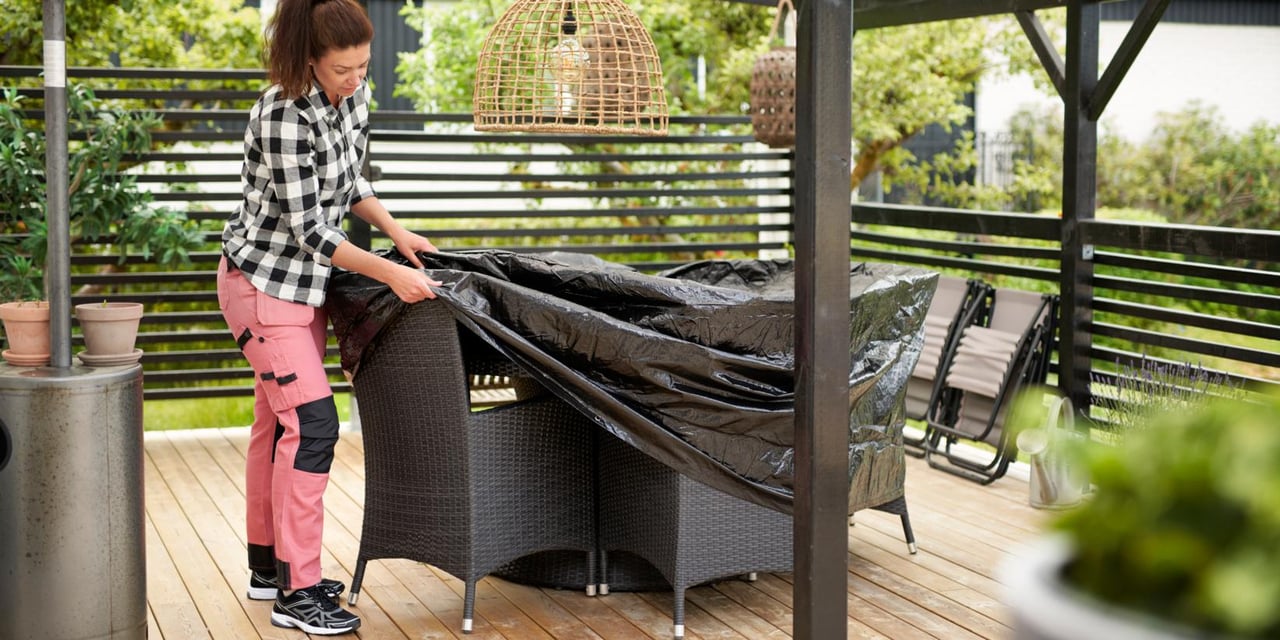
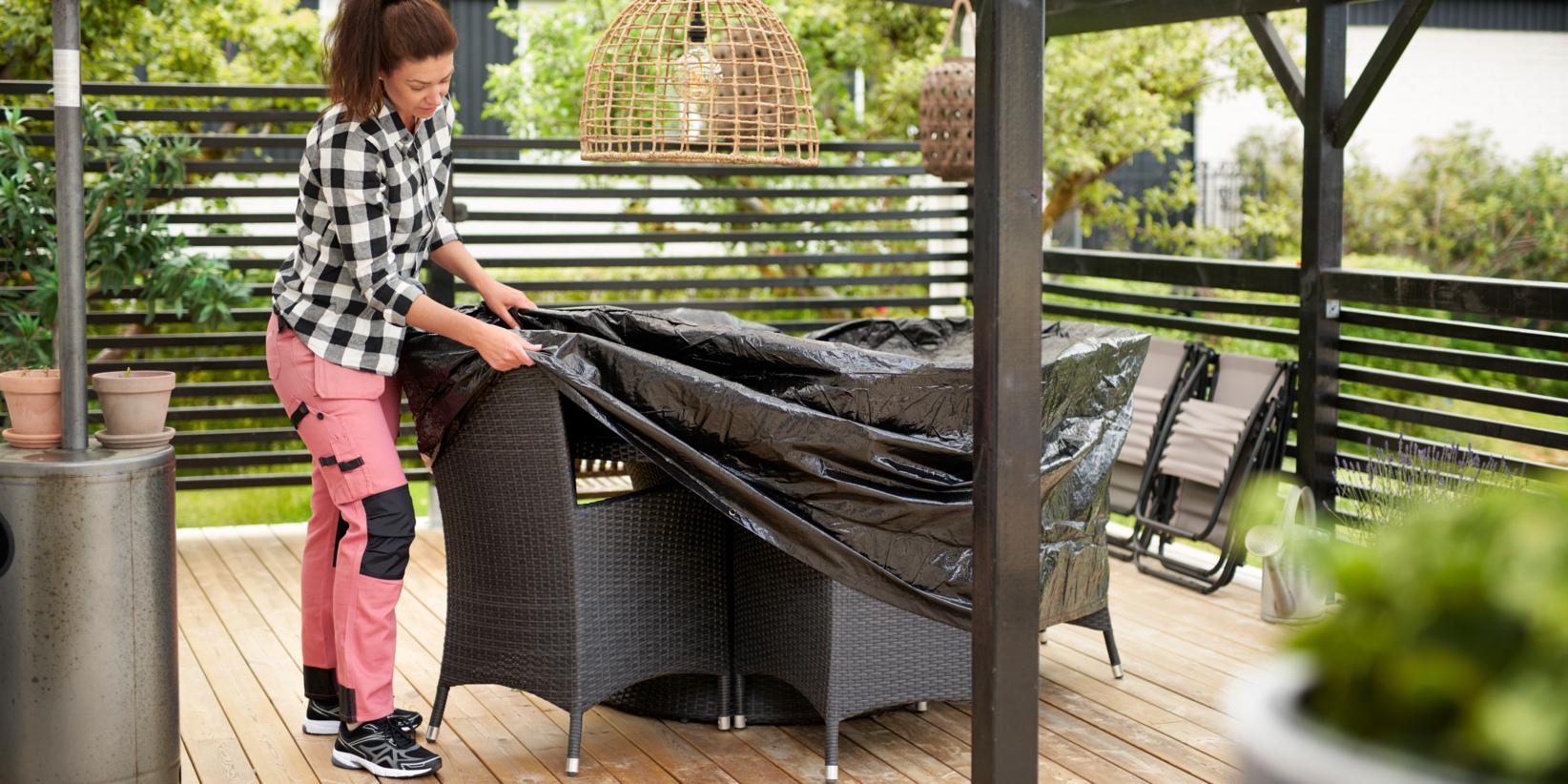
- ✔️ Secure outdoor furniture and loose items
- ✔️ Inspect your home's gutters, roof, and landscaping
- ✔️ Stay informed without feeling rushed
Taking these steps before hurricane season reaches its peak can reduce stress and help you respond more confidently if severe weather develops.
Tropical Storm vs. Hurricane: What's the Difference?
Not every tropical system becomes a hurricane. Understanding the terminology can make weather updates easier to follow.
Tropical Depression
A tropical depression is an organized weather system with sustained winds of 38 mph or less. While generally weaker, these systems can still produce heavy rainfall and localized flooding.
Tropical Storm
When sustained winds reach 39 to 73 mph, the system is classified as a tropical storm and receives an official name. Tropical storms may bring strong winds, heavy rain, coastal flooding, and isolated tornadoes.
Hurricane
Once sustained winds reach 74 mph or higher, the storm becomes a hurricane. Hurricanes are then categorized from Category 1 through Category 5 based on sustained wind speeds using the Saffir-Simpson Hurricane Wind Scale. Higher categories generally indicate stronger winds and a greater potential for wind-related damage.
We'll explain hurricane categories in detail later in this guide, so you'll know exactly what they mean when a storm is being tracked.
Why Tampa Bay Residents Should Stay Informed
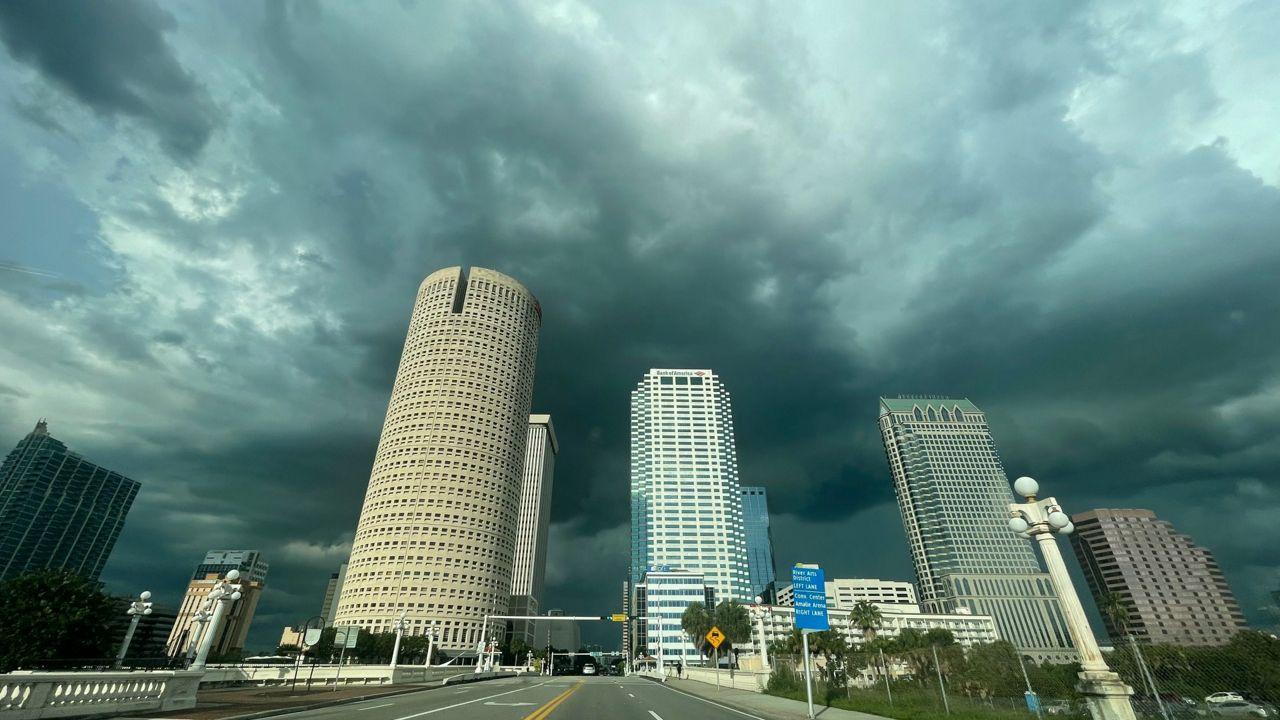
Living along Florida's Gulf Coast means weather conditions can change quickly during hurricane season. Even storms that do not make direct landfall in the Tampa Bay area can produce:
- 🌧️ Heavy rainfall
- 🌊 Coastal flooding and storm surge
- 💨 Strong wind gusts
- 🌳 Downed trees and power outages
- 🚧 Road closures and travel disruptions
For this reason, it's important to monitor official forecasts throughout hurricane season rather than focusing only on a storm's projected path several days in advance. Forecasts often become more accurate as storms approach, and local emergency management officials provide updated guidance based on the latest information.
Following trusted sources and preparing ahead of time allows you to make informed decisions without unnecessary panic.
Living in Tampa Bay During Hurricane Season
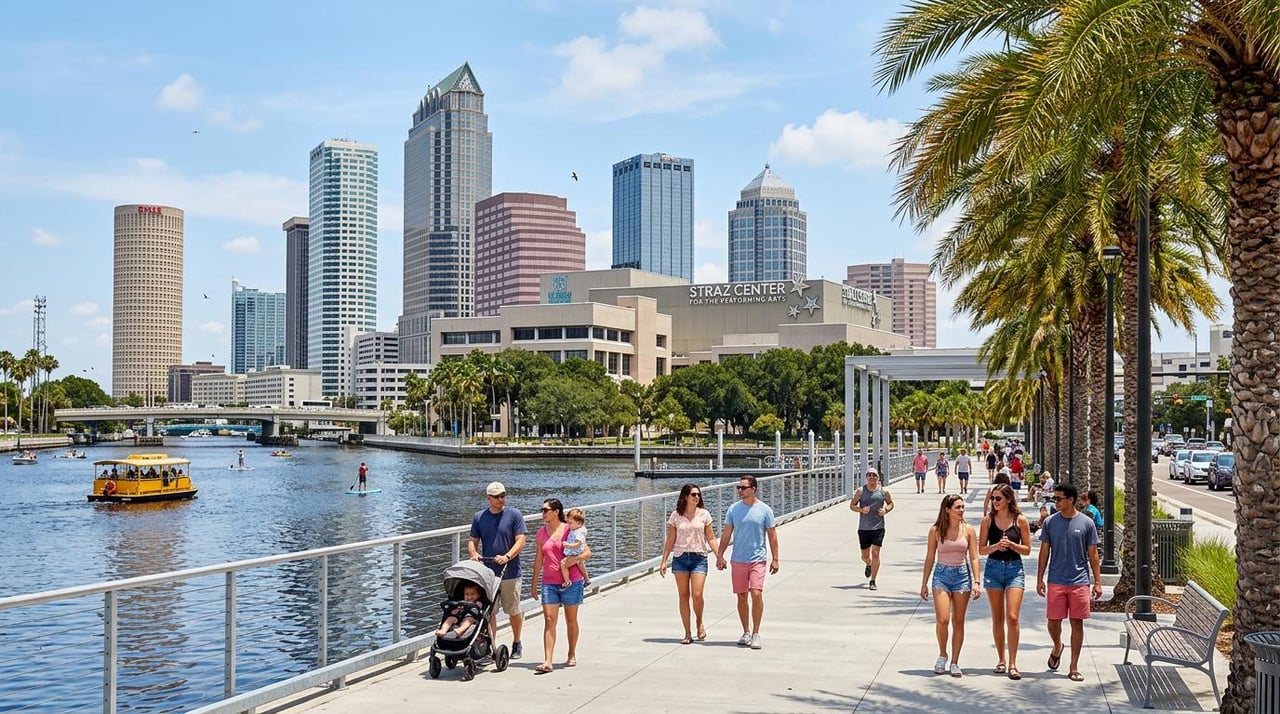
Hurricane season is simply one aspect of living on Florida's beautiful Gulf Coast. From the waterfront views of Downtown Tampa and St. Petersburg to the beaches of Clearwater and the growing communities of Brandon, Riverview, Wesley Chapel, Lutz, South Tampa, and New Tampa, residents enjoy an exceptional lifestyle while also understanding the importance of seasonal preparedness.
For those relocating from another state, hurricane season may feel unfamiliar at first. Fortunately, local governments, emergency management agencies, weather professionals, and community organizations provide extensive resources to help residents prepare before severe weather arrives.
At FrankAlbertRealty.com, we believe informed homeowners make confident homeowners. Whether you're searching for your first Florida home, exploring new construction communities, or relocating to the Tampa Bay area, having reliable local information is an important part of making informed real estate decisions.
A Look at Tampa Bay's Hurricane History
The Tampa Bay area has experienced impacts from several significant tropical systems throughout its history. While direct hits from major hurricanes are relatively uncommon, the region has seen storms that caused flooding, wind damage, power outages, and disruptions to daily life.
Some storms that have affected the area include:
Hurricane Milton (2024)
Hurricane Milton brought powerful winds, heavy rainfall, and widespread power outages to portions of west-central Florida. The storm highlighted the importance of preparing well before landfall, securing outdoor items, and following local emergency guidance.
Hurricane Helene (2024)
Although the exact impacts varied across the region, Hurricane Helene contributed to storm surge, coastal flooding, and hazardous conditions along Florida's Gulf Coast. Residents were reminded that even storms making landfall elsewhere can significantly affect Tampa Bay.
Hurricane Ian (2022)
While Hurricane Ian made landfall farther south, communities throughout Tampa Bay still experienced periods of heavy rain, strong wind gusts, and coastal impacts. Ian demonstrated how forecasts can change and why preparation should begin before a storm's path becomes certain.
Hurricane Irma (2017)
Hurricane Irma brought strong winds, heavy rain, downed trees, flooding, and widespread power outages across much of Florida, including the Tampa Bay area. The storm emphasized the importance of having emergency supplies and a family communication plan ready before severe weather arrives.
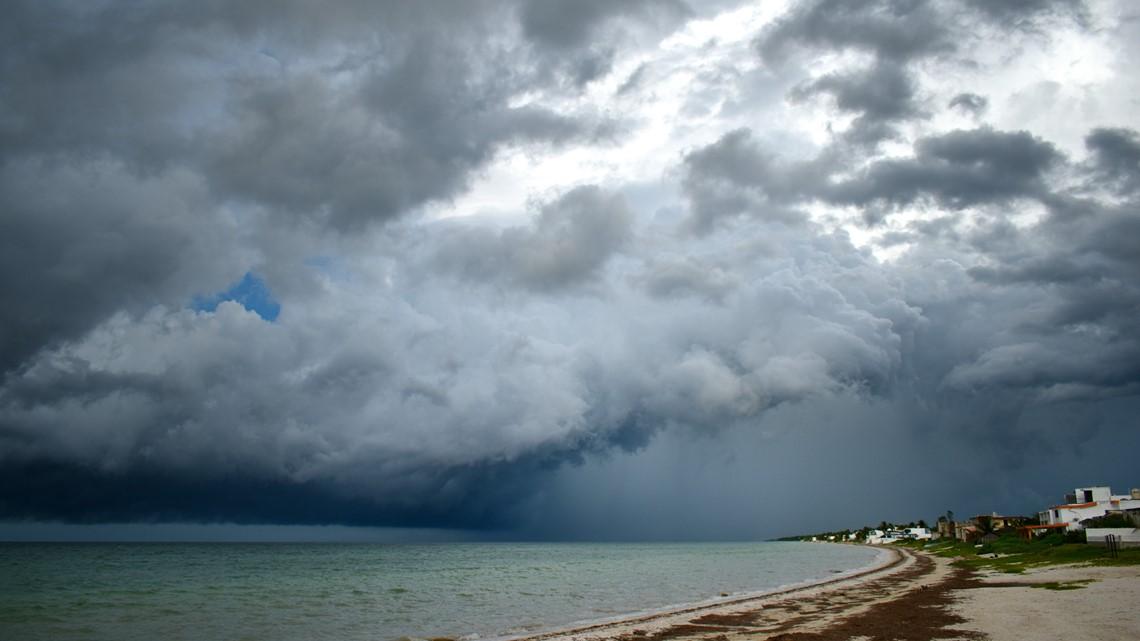
Every hurricane is unique. Factors such as wind speed, storm size, rainfall totals, forward speed, storm surge, and exact track all influence how a community is affected.
Why Every Storm Is Different
It's easy to focus on a hurricane's category, but meteorologists often remind residents that a storm's category tells only part of the story.
Other factors can be just as important, including:
- 🌧️ Rainfall totals
- 🌊 Storm surge
- 🌪️ Tornado potential
- 💨 Wind gusts
- 🌳 Falling trees and debris
- ⚡ Power outages
- 🚗 Road flooding
For example, a lower-category hurricane moving slowly over an area may produce significant flooding due to prolonged rainfall, while a faster-moving storm with stronger winds may create different challenges.
That's why it's essential to follow official forecasts instead of judging a storm based solely on its category.
Understanding Hurricane Categories
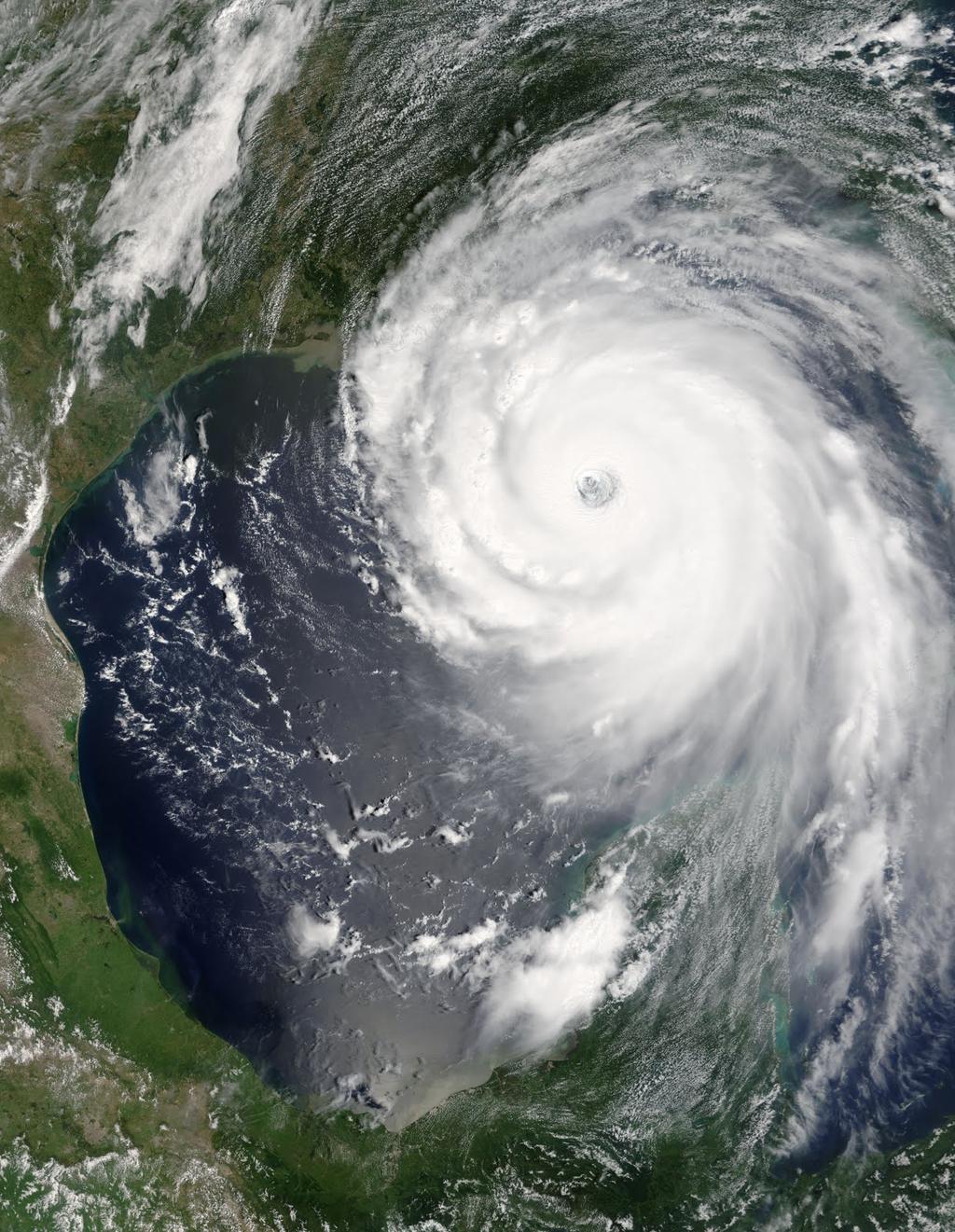
The Saffir-Simpson Hurricane Wind Scale classifies hurricanes into five categories based on their sustained wind speeds. While higher categories generally indicate stronger winds, it's important to remember that dangerous storm surge, flooding, and tornadoes can occur with storms of any category.
Category 1 Hurricane
Wind Speeds: 74–95 mph
A Category 1 hurricane can:
- Damage roofs, siding, and gutters
- Break tree branches
- Cause scattered power outages
- Produce localized flooding
Even a Category 1 storm should be taken seriously, especially if heavy rainfall or storm surge is expected.
Category 2 Hurricane
Wind Speeds: 96–110 mph
Possible impacts include:
- More extensive roof and exterior damage
- Numerous downed trees
- Longer-lasting power outages
- Increased coastal flooding in vulnerable areas
Residents should complete preparations before conditions begin to deteriorate.
Category 3 Hurricane (Major Hurricane)
Wind Speeds: 111–129 mph
Category 3 hurricanes are considered major hurricanes.
Potential impacts include:
- Significant structural damage
- Numerous fallen trees
- Widespread power outages
- Dangerous storm surge
- Major travel disruptions
Emergency officials may issue evacuation orders for certain zones depending on the storm's forecast.
Category 4 Hurricane
Wind Speeds: 130–156 mph
These powerful hurricanes can produce:
- Severe structural damage
- Extensive tree loss
- Long-duration power outages
- Significant storm surge
- Major infrastructure impacts
Preparation should already be complete before a Category 4 storm approaches.
Category 5 Hurricane
Wind Speeds: 157 mph or higher
Category 5 hurricanes are the strongest classification on the Saffir-Simpson scale.
Potential impacts include:
- Catastrophic wind damage
- Major structural destruction
- Long-term utility outages
- Significant storm surge and flooding
Fortunately, storms of this intensity are relatively rare, but they highlight why emergency planning is so important for coastal communities.
Hurricane Watch vs. Hurricane Warning
Many people confuse these two terms, but understanding the difference is essential.
Hurricane Watch
A Hurricane Watch means that hurricane conditions are possible within the specified area, generally within the next 48 hours.
During a Hurricane Watch, you should:
✅ Review your emergency plan
✅ Finish assembling supplies
✅ Fuel vehicles if needed
✅ Charge electronic devices
✅ Continue monitoring official forecasts
Think of a Watch as your signal to get ready.
Hurricane Warning
A Hurricane Warning means that hurricane conditions are expected, generally within the next 36 hours.
At this point, you should:
- Complete all preparations immediately
- Follow instructions from local officials
- Stay informed through trusted weather sources
- Be prepared to act if evacuation orders are issued for your area
A Warning means it's time to put your preparedness plan into action.
🛒 Where to Find Hurricane Supplies in Tampa Bay
Once a hurricane watch or warning is issued, essential supplies can disappear from store shelves within hours. Preparing before a storm is on the radar gives you more options, less stress, and valuable time to focus on keeping your family safe. Whether you're a first-time Florida homeowner or a longtime Tampa Bay resident, these resources can help you get storm-ready.
🏖️ Free Sandbags
Many Tampa Bay counties open free sandbag distribution sites before tropical storms and hurricanes to help reduce the risk of flooding around homes. Check your county's emergency management website for locations, hours, and distribution guidelines before heading out.
- Hillsborough County Sandbag Locations
- Pinellas County Sandbag Locations
- Pasco County Sandbag Locations
- Hernando County Sandbag Locations
- Polk County Sandbag Locations
Pro Tip: Don't wait until a storm is only a day away. Sandbag sites often experience long lines and may close once supplies run out.
🔋 Generators & Backup Power
Power outages can last for several hours, or even days after a hurricane. A portable generator can help keep refrigerators, medical devices, lights, and other essential appliances running.
When using a generator:
- Always operate it outside, at least 20 feet away from doors, windows, and garages.
- Never use a generator indoors or in enclosed spaces due to the risk of carbon monoxide poisoning.
- Keep extra fuel stored safely in approved containers.
- Test your generator before hurricane season begins to make sure it's working properly.
📻 Stay Connected with a NOAA Weather Radio
Cell service, internet, and electricity can become unreliable during severe weather. A NOAA Weather Radio provides continuous weather alerts and emergency information directly from the National Weather Service—even during widespread power outages.
Look for a model with:
- Battery backup
- Hand-crank charging
- Solar charging
- USB phone charging capability
- Automatic emergency alerts
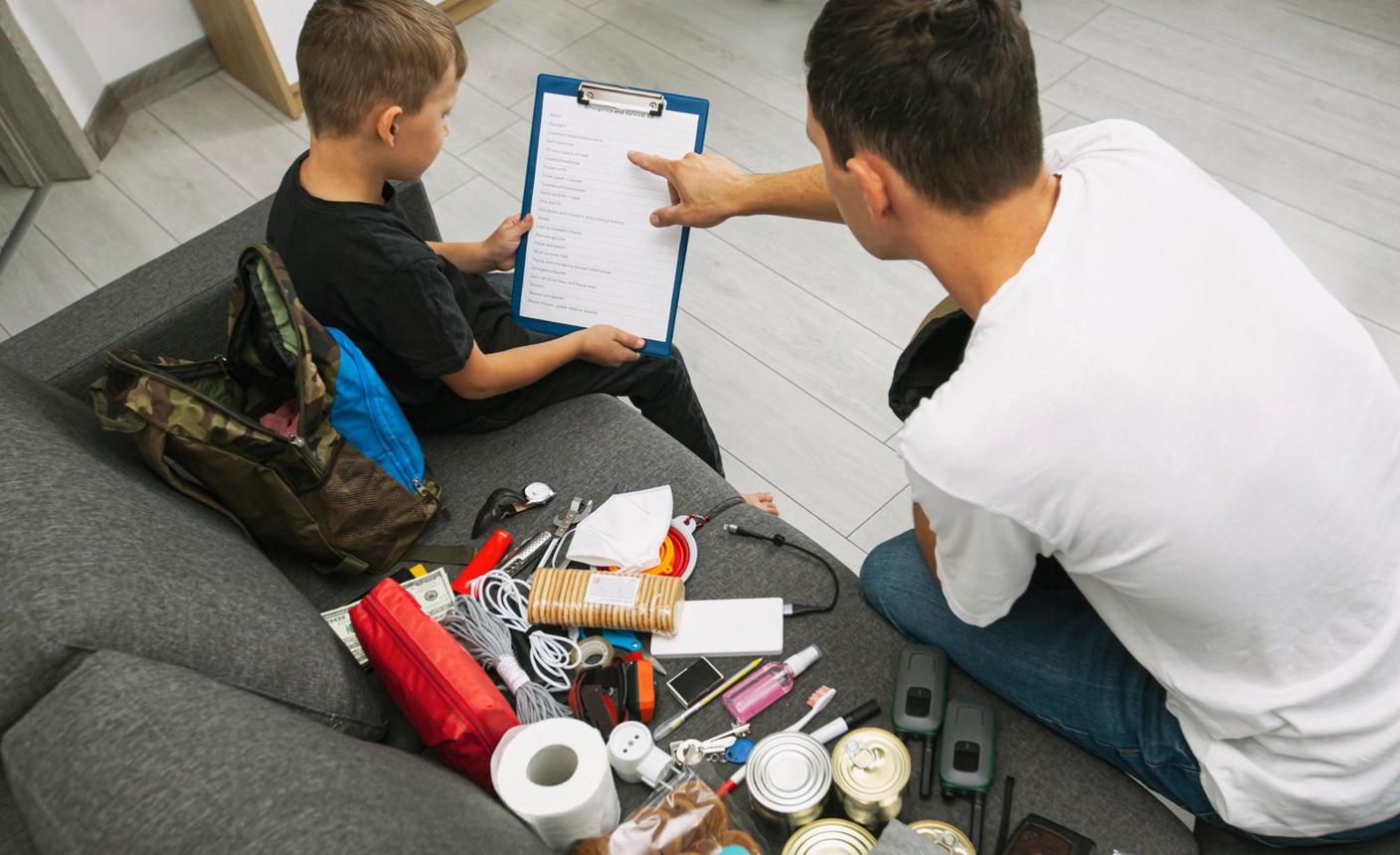
✅ Hurricane Supply Checklist
Every household should have enough emergency supplies to last at least seven days.
Your hurricane kit should include:
- 💧 Water (one gallon per person, per day)
- 🥫 Non-perishable food
- 🔦 Flashlights
- 🔋 Extra batteries
- 🔌 Portable phone chargers and power banks
- 🩹 First aid kit
- 💊 Prescription medications
- 🐾 Pet food and pet supplies
- 🧻 Personal hygiene products
- 💵 Cash in small bills
- 📄 Important documents stored in waterproof containers
- 🧤 Work gloves and basic tools
- 🧯 Fire extinguisher
- 🛏️ Blankets and extra clothing
📱 Trusted Hurricane Resources
Stay informed using reliable weather and emergency management resources throughout hurricane season.
Helpful websites include:
- National Hurricane Center
- National Weather Service
- FEMA
- Hillsborough County Emergency Management
- Pinellas County Emergency Management
- Pasco County Emergency Management
Checking these official sources regularly can help you stay ahead of changing forecasts, evacuation notices, and emergency updates.
Preparation starts long before the first rain bands arrive. Taking time now to gather supplies, make a family emergency plan, and know where to find local resources can help you protect your home and loved ones when hurricane season impacts the Tampa Bay area.
Tropical Storm Watches and Warnings
Not every named storm becomes a hurricane.
You'll also hear:
Tropical Storm Watch
Tropical storm conditions are possible within the next 48 hours.
Tropical Storm Warning
Tropical storm conditions are expected within the next 36 hours.
Even tropical storms can produce:
- Heavy rainfall
- Flash flooding
- Tornadoes
- Power outages
- Fallen trees
- Dangerous travel conditions
Never assume that only hurricanes pose a risk.
Key Takeaway
Whether a storm is a tropical depression, tropical storm, or hurricane, staying informed and preparing early are the best ways to reduce stress and respond effectively. Understanding hurricane categories, watches, and warnings helps you make informed decisions based on official guidance rather than rumors or social media speculation.
The next step is knowing whether your home is in an evacuation zone and how to build a hurricane preparedness plan before a storm is on the horizon.
Be Prepared, Stay Informed, and Protect What Matters Most
Hurricane season is a part of life along Florida's Gulf Coast, but with the right preparation, it doesn't have to be overwhelming. Understanding your evacuation zone, creating a family emergency plan, protecting your home, and staying informed through trusted weather resources can help you face each season with greater confidence. Whether you're a longtime resident or planning to move to the Tampa Bay area, being proactive today can make all the difference when severe weather threatens.
At Frank Albert Realty, we're committed to helping buyers, sellers, and homeowners make informed decisions beyond the real estate transaction. From sharing local market insights and neighborhood expertise to providing valuable homeowner resources like this hurricane preparedness guide, our goal is to help you feel confident in every stage of homeownership. If you're thinking about buying, selling, relocating, or exploring new construction in Tampa, St. Petersburg, Clearwater, Wesley Chapel, Lutz, Riverview, Brandon, or the surrounding Tampa Bay communities, our experienced team is here to help. Contact us today to begin your next chapter with a trusted local real estate partner.